The Atlantis 51 keeps family cruising central to the brief
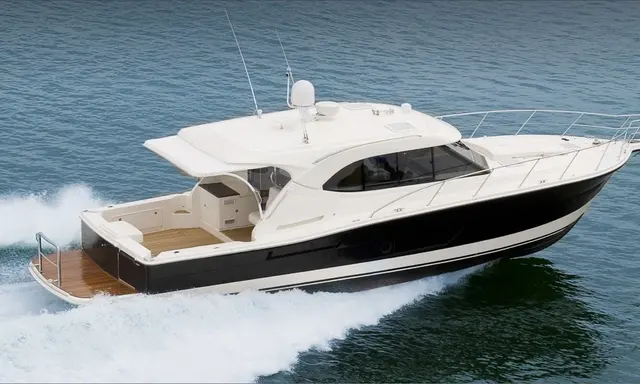
Azimut’s Atlantis 51 occupies an interesting part of the Italian builder’s range, combining the visual energy of a sport cruiser with accommodation sufficient for a family to spend several nights away from the marina. The model remains on Azimut’s current Atlantis product pages, though it should be understood as an established design rather than a newly announced October 2026 launch. At 16.18 metres overall, it makes a case for buyers who value a protected social deck, straightforward access to the sea and practical overnight space over the additional height and complexity of a flybridge.
The hull is 4.55 metres wide at its maximum beam, giving designers sufficient width to organise three cabins below the principal deck. Azimut specifies a 1.30-metre draft with propellers at full load, full-load displacement of 22.3 tonnes and a planing hull with 14.2 degrees of deadrise aft. Those figures are important because the boat is intended to perform at motor-cruiser speeds without becoming a narrow, uncomfortable tube at rest. They also have direct implications for berth selection, weight distribution, lifting equipment and the shallow-water routes an owner may consider.
Neo Design is credited with both the exterior and interior design, while the Azimut-Benetti research and development department is named as hull designer. That arrangement suggests a deliberate effort to maintain one design language from the outside profile through the accommodation. The builder describes flexible areas for convivial use, an appropriate emphasis given how quickly a day on board can change from a coastal passage to lunch at anchor. For potential owners, the real question is whether the furniture and circulation work just as well with guests moving about as they do in carefully staged images.
A three-cabin configuration in a sporting silhouette
The Atlantis 51 carries three cabins and six berths, with two head compartments in the published arrangement. That accommodation count distinguishes it from many smaller weekend sports boats that rely on two cabins or convertible lounge areas. A family can leave the sleeping areas largely made up and still use the principal deck for relaxing and dining, reducing the daily ritual of converting furniture. It also allows a couple to invite friends while preserving more separation than a single shared lower-deck compartment would offer.
None of those advantages removes the need to examine the layout carefully. A cabin that looks large in a brochure may have awkward access around the bed, limited space for luggage or insufficient ventilation when moored in warm weather. The best comparison with competing yachts should include privacy between cabins, position of the two bathrooms and whether adults can stand comfortably where they need to dress. It is also sensible to look for useful handholds, secure stowage and the ability to reach the companionway quickly in poor conditions.
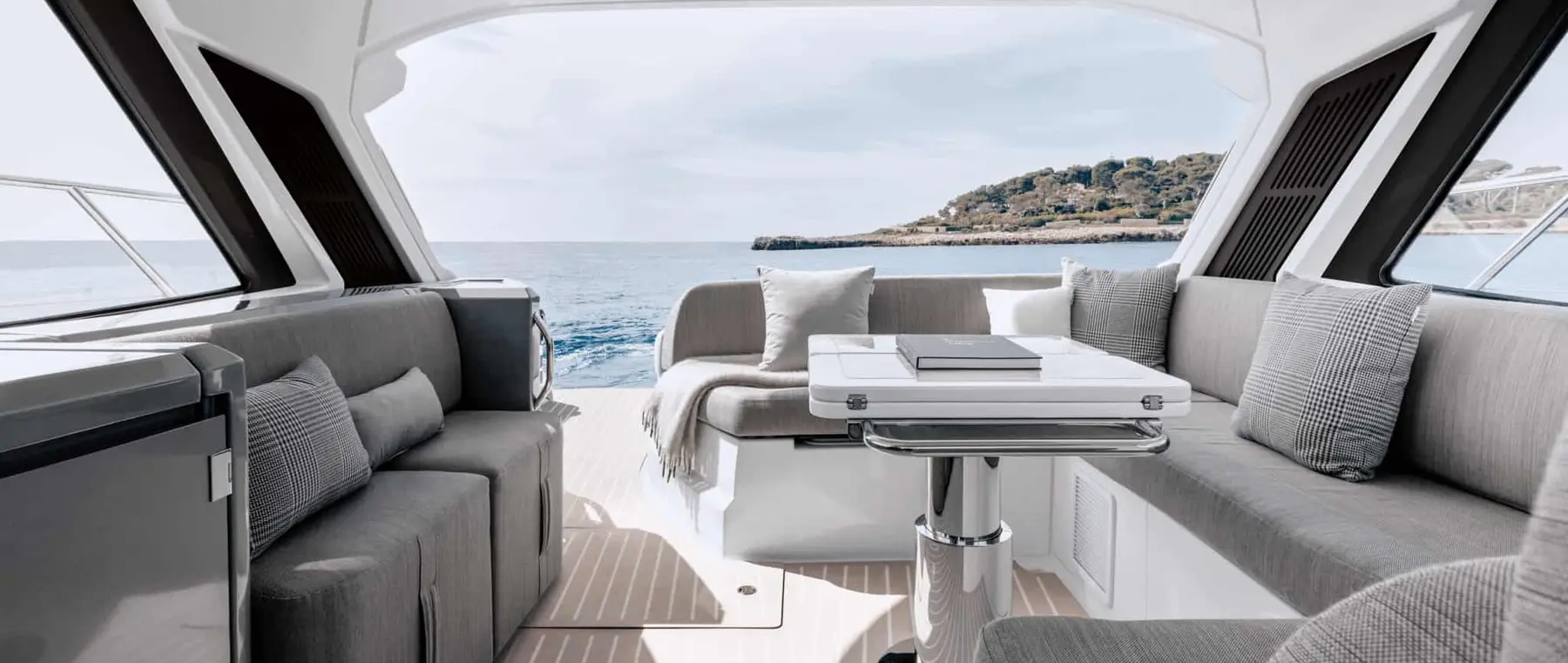
The saloon and cockpit are important to the boat’s identity because the owner is likely to spend more time there than in any single cabin. Azimut’s current product narrative stresses convertible social layouts and abundant light, pointing towards the flexibility needed for everyday cruising. Buyers should evaluate how the tables, seating and glazing work at sea as well as at anchor, and whether the helm maintains a clear relationship with the rest of the deck. Elegant furnishing is valuable, but a successful sports cruiser has to make movement and sightlines intuitive.
Volvo IPS propulsion brings useful handling options
Azimut lists twin Volvo Penta IPS 800 engines at 600 horsepower each. Its published top speed is up to 32 knots, with a quoted cruising speed of up to 26 knots under the manufacturer’s performance-test conditions. Those numbers suggest a boat capable of linking harbours briskly, yet they are not an independent guarantee that every delivered example will reproduce them. A heavily loaded yacht with an older hull finish, different optional equipment or adverse sea conditions may behave differently, which is why sea trials remain fundamental.
The use of IPS pod drives also changes the practical ownership conversation. Joystick-assisted close-quarters manoeuvring can be an advantage in busy marinas, particularly when crosswinds and neighbouring boats make docking stressful. However, electronic control systems do not eliminate the value of learning how the vessel reacts to momentum and weather. Owners need to understand backup procedures, regular drive maintenance and the availability of competent local service. Assistance technology works best when it supports a skipper who already has a sound grasp of boat handling.
Fuel capacity is stated at 1,500 litres and fresh-water capacity at 450 litres. Those are useful design facts, but they should not be turned into a definitive cruising range without knowing the engine load and actual consumption at a chosen speed. A prudent itinerary leaves margins for weather, detours and time waiting at sea rather than treating the final litres as planned operating reserve. The 51 is best assessed as a responsive and versatile private cruiser, not a long-range displacement yacht; matching expectation to the machinery is part of choosing the right boat.
How to judge the Atlantis 51 against its peers
At 16 metres, an owner faces many decisions that do not appear in lifestyle photography. The height of the structure can influence covered berth availability, while draft and drive geometry affect access to particular anchorages and the suitability of local service yards. The value of three permanent cabins should be weighed against equipment storage, engine-room accessibility and the working space needed for maintenance. Prospective buyers ought to open hatches, look behind removable panels and consider where watersports gear and wet lines will be kept.
Certification is another point where precision is needed. Azimut lists CE Category B and NMMA certification on the model page, but the permitted operating limits and exact build documentation for a particular boat must be reviewed rather than inferred from a brochure alone. The relevant owner’s manual, installed safety equipment, crew competence and prevailing conditions are the real basis for a passage decision. For a yacht intended to entertain family and friends, ease of boarding and safe movement around the side decks are every bit as important as the headline maximum speed.
The enduring appeal of the Atlantis 51 is its effort to avoid a false choice between sporty appearance and liveable accommodation. Three cabins, a sociable main deck and twin IPS propulsion give the design a clear role within the luxury-yacht market below 24 metres. It will not be the right answer for every owner, particularly those prioritising extended low-speed autonomy or expansive flybridge entertaining. But for experienced cruisers who want to move confidently between coastal destinations and enjoy several nights away, the layout deserves a close, practical inspection.