A new chapter for a secluded Australian destination
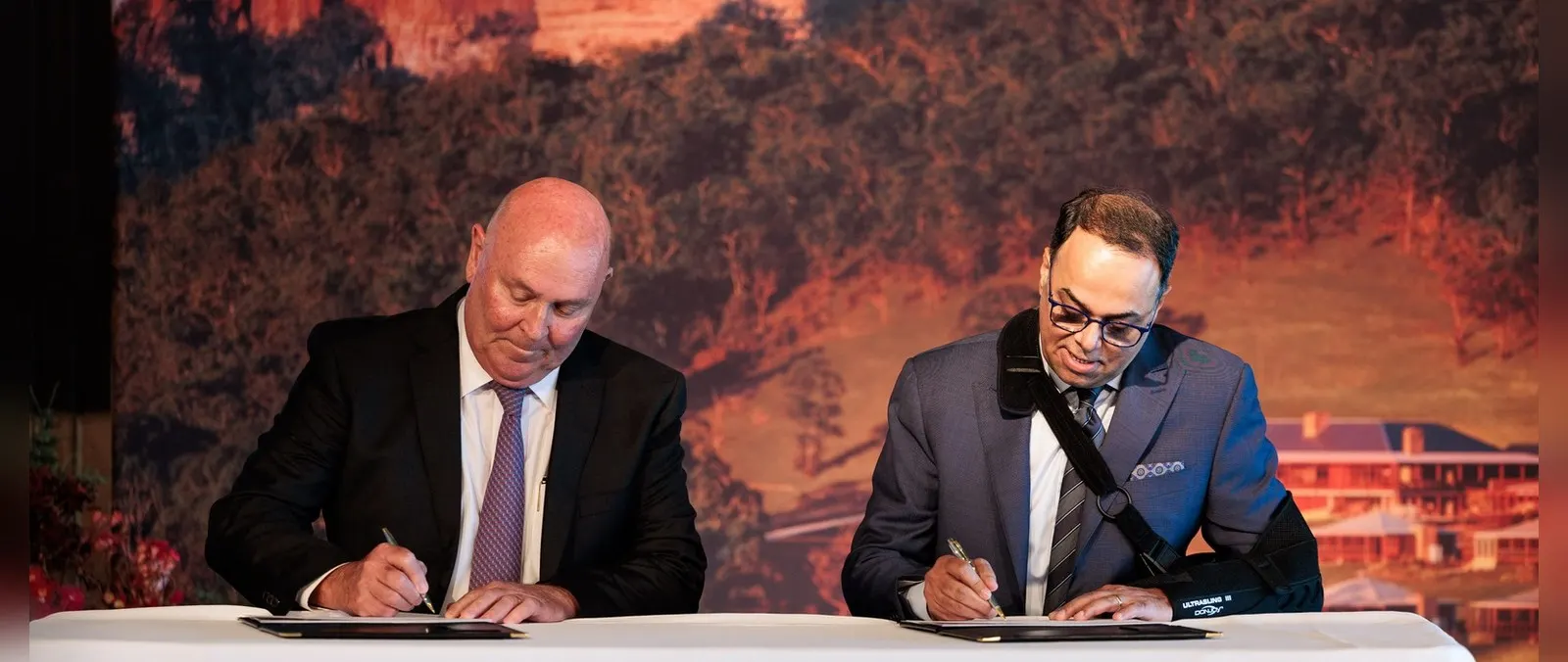
Emirates and Marriott International announced plans to introduce Emirates Wolgan Valley, a Ritz-Carlton Lodge, in New South Wales. The project is positioned within the Greater Blue Mountains region, where protected landscapes and outdoor experiences are central to the proposition. The announced return under a new brand remains a development rather than a fully operational resort.
Its appeal is very different from a waterfront city hotel. Guests will be drawn to time away from urban distractions, with the landscape influencing both the architecture and daily routine. Travel plans should distinguish a confirmed operating date from early project descriptions, as new lodge openings can change during preparation.
Forty lodges with their own pools
The proposed property will contain 40 lodge accommodations, each with a private pool and bespoke facilities. That layout suggests a stay organised around personal space and contact with the surrounding environment, rather than a dense complex of rooms. The privacy of individual lodges will depend on their final siting and planting.
A private pool can be attractive for couples and families, but prospective guests should also consider seasonal temperatures, wildlife and the distance between their lodge and shared facilities. Accommodation descriptions may evolve before opening. The final layout and accessibility arrangements should be checked when reservations become available.
A night beyond conventional hotel lighting
One planned feature is an organised outdoor sleep-out guided into remote wilderness, where limited artificial light allows guests to experience the night sky. Dinner outdoors and time beside a campfire are part of the concept. This promises a sense of place that cannot be replicated by adding luxury furniture to an ordinary city terrace.
The experience should be understood as a supervised activity rather than permission for guests to explore remote country independently. Weather, fire conditions and conservation rules may affect availability. Those practical limitations form part of responsible luxury travel in a natural environment.
An Australian table and local wines
Plans for the main homestead include a signature restaurant, bar and wine room. The hospitality concept highlights produce from Australia alongside local and international wines, potentially giving guests a stronger connection to the region's food traditions. Exact menus and producers will need to be confirmed closer to opening.
A wilderness destination can offer distinctive dining without relying on an unnecessarily elaborate menu. Fresh ingredients, carefully managed logistics and knowledgeable service matter when a property is relatively remote. Travellers with specific dietary requirements should discuss them ahead of arrival because last-minute alternatives may be harder to source.
Wellness and natural history
The recreation plans include an outdoor pool, tennis courts, equestrian stables, a fitness centre and a Ritz-Carlton Spa. A resident naturalist is intended to guide experiences linked with the UNESCO-listed Greater Blue Mountains landscape. These facilities aim to provide structure for longer stays without overwhelming the setting.
Conservation-led outings can be valuable when they teach visitors about ecology and the management of sensitive habitats. Guests should choose activities suited to their abilities and the time of year, rather than attempt everything advertised. The credibility of a nature lodge depends in part on how respectfully it operates within its landscape.
Preparing for a future journey
The proposed lodge has been discussed as a 2027 reopening, and its final booking programme and rates require later confirmation. Travellers should avoid arranging inflexible journeys solely around an estimated opening date. Access routes, transfer durations and any unusual baggage requirements should be verified with the operator.
The investment in a remote property illustrates a form of luxury focused on space, quiet and guided experience rather than conspicuous display. It may suit owners who alternate between life aboard yachts and restorative periods on land. What will matter most is whether the completed project delivers on its environmental and service commitments.