The most luxurious itinerary is the one with room to change
A two-night Mediterranean escape is often sold through a familiar picture: a fast departure, a quiet bay and an unhurried dinner on deck. The difference between that picture and a successful weekend is not the amount of equipment fitted to the yacht. It is the quality of the decisions made before anyone boards. Weather, berth reservations, guest expectations and a realistic return plan determine whether a short cruise feels relaxed or compressed.
The Princess V55 provides a useful case study in this style of ownership. Princess lists the yacht at 17.81 metres including pulpit, with a 4.65-metre beam, a 1.44-metre draft and three guest cabins sleeping six. Its twin Volvo D13-1000 engines are associated with a manufacturer's maximum speed range of 33–35 knots, subject to load and conditions. Those figures indicate capability; they do not create a promise of passage time, operating cost or comfort in a particular sea state. A good itinerary begins with what the forecast permits rather than what the speed brochure suggests.
Before departure: plan the return first
A weekend starts with its final leg. If guests must be home by Sunday evening, work backwards from the last acceptable arrival time and decide when the yacht must leave the overnight destination. Allow room for reduced visibility, traffic entering a busy marina, fuelling, freshwater replenishment and the slower pace of operating safely in harbour. A vessel that can travel quickly in appropriate conditions may still have to spend much of a passage at displacement or intermediate speed.
Use more than one reputable forecast source, and examine wind direction, swell period and the trend through the return window rather than a single coloured icon for the day. A sheltered anchorage in one wind direction can become an uncomfortable place to spend the night after a shift. The prudent choice is sometimes a nearer marina, or remaining in the home port for a luxurious day afloat. Treat a short cruise as a flexible invitation, not a transport obligation. The owner or master should define a firm weather threshold for changing the plan before guests start asking whether departure is still on.
The boarding hour deserves a schedule of its own
A fast motor yacht is still a small working environment when six people arrive together with luggage, provisions and beach equipment. Assign bags to cabins before the galley begins preparing food. Tell guests where handholds are, how to secure lockers and what to avoid touching while underway. The briefing should cover lifejackets, safe movement, toilets, tender access if fitted, and what to do if anyone feels unwell. An informal, friendly explanation is more useful than allowing a first-time guest to discover the rules during a manoeuvre.
Princess describes the V55 as having a full-beam master cabin, a convertible forward twin cabin and a third bunk cabin. That arrangement provides several ways to organise a party, but the most luxurious sleeping plan is not always the one that fills every berth. A family with two children may value a separate cabin for early bedtimes; two couples may prefer privacy over maximum headcount. Resolve the allocation early. Keep access to safety equipment and the owner's operational storage unobstructed, even when luggage seems to demand more space.
Use the cockpit as the weekend's centre of gravity
The V55's aft cockpit seating, folding teak table and wetbar are well suited to a voyage built around meals and conversation. Princess also describes a sliding doorway and opening window linking this outdoor space to the saloon, allowing guests to move between sheltered and open areas. That connection is valuable because Mediterranean weather is rarely static across an entire afternoon. Bright sun at departure can become a fresh breeze at the destination; a layout with multiple comfortable settings reduces the temptation to press on simply to reach the imagined perfect cove.
The host should prepare a simple progression rather than an elaborate hospitality performance. Cold drinks and a small lunch at anchor may be more welcome than a complicated meal that keeps everyone waiting for the galley. Store glasses and dishes securely before starting engines. Introduce a clear distinction between cruising and stationary entertaining: items left loose for a calm lunch can become hazards when the yacht turns into a short chop. Luxury is visible in the absence of frantic transitions, not in the complexity of the table setting.
Choose an anchorage by conditions, not photographs
The ideal anchorage depends on seabed, depth, holding, protection and available swinging room. It also depends on local rules and environmental restrictions, including protected seagrass and marine conservation zones. Do not infer that an attractive inlet is a legal place to drop anchor because other vessels are pictured there. Consult current charts, notices, local guidance and the actual conditions on arrival. Set an escape option if wind or swell changes overnight.
Even with a suitable spot selected, the evening must be managed. Check the anchoring arrangement, monitor for dragging and agree on how to respond if neighbouring yachts anchor too close. Prepare a safe route between the cockpit and foredeck after dark. If swimming is part of the plan, establish a clear rule that nobody enters the water while engines or manoeuvring equipment present a hazard. A beautiful sunset does not remove the ordinary responsibilities of seamanship, and thoughtful owners make those responsibilities almost invisible to guests without ever neglecting them.
A realistic speed is a comfort decision
It is tempting to plan around a quoted maximum of 33–35 knots. In practice, the right cruising speed is one at which the hull, sea state and passengers remain comfortable while the skipper maintains visibility and control. The V55's fuel capacity is published as 2,500 litres, but capacity alone cannot establish usable range or fuel budget. Consumption varies with speed, load, fouling, trim, current and conditions. A responsible plan uses vessel-specific figures and a conservative reserve, not a simple division of tank volume by an internet estimate.
There is a human reason to moderate speed too. Guests may be able to move around and converse more easily on a settled passage at a measured pace than on a rapid trip that feels demanding. An earlier departure often creates more real leisure time than an ambitious high-speed run. Sound levels, motion and fatigue influence the atmosphere of the weekend. Owners who repeatedly travel with the same group can learn which conditions leave everybody happy on arrival and plan accordingly.
Overnight comfort requires quiet systems management
A yacht's sleeping experience is shaped by more than upholstery. Ventilation, battery state, generator scheduling, shore power, freshwater use and night-time lighting all influence the first morning aboard. Guests should know how their cabin climate controls work and how to report a problem without waking the whole party. The skipper should check service arrangements at the marina, particularly if power is expected to support air conditioning overnight. Never assume an unfamiliar berth provides the supply or connection needed by the yacht.
On a two-night trip, guests are more forgiving of modest wardrobe space than of interrupted sleep. Keep wet towels and salty swimwear away from cabins; dry them in suitable locations so dampness does not overwhelm the accommodation. Consider the timing of fresh coffee, breakfast preparation and engine starts. A yacht with three guest cabins can still feel like a private retreat if the morning routine is staggered, while the same yacht can feel crowded if everyone is asked to assemble and pack at the same moment.
The marina option is not a compromise
A marina berth can be a superb centrepiece of a short itinerary. It allows guests to go ashore, visit a restaurant, take a walk and return without managing a late tender transfer. But the berth must be suitable for the boat as actually configured. Quote the full length, beam and draft accurately when booking, and disclose any relevant appendages or particular handling requirements. The V55's nominal figures are useful starting points; the marina's confirmation and the skipper's judgment govern the decision.
Arrive with a plan for mooring lines, fenders, pedestrian movement and any local instructions. Do not try to preserve the illusion of a casual arrival by under-briefing the crew. Good marinas are busy working environments in which a controlled, unhurried approach is both safer and more professional. Once secured, the timetable can become pleasantly loose. The best use of an overnight berth may be the freedom to do very little—an aperitif on deck, a walk through the town, and a quiet return to one's own cabin.
Sunday should feel like a continuation, not an evacuation
The departure morning works best when packing, breakfast and operational checks happen in separate phases. Guests can enjoy a final swim or coffee only if the skipper has allowed sufficient time to prepare the yacht and confirm departure conditions. Fuel and waste-disposal arrangements should be planned in advance rather than left to the final crowded hour. The return route should have an alternative if the forecast changes or the intended stop proves unsuitable.
What a two-night cruise ultimately demonstrates is that a 17.81-metre sports yacht can offer a rich experience without turning each day into a long passage. The Princess V55's combination of outdoor seating, an opening saloon connection and three guest cabins supports that kind of easy hospitality. Its published performance is a tool for planning, not a target to achieve. A successful Mediterranean weekend is measured in unhurried meals, confident decisions and guests who are already discussing the next trip when the yacht returns to port.
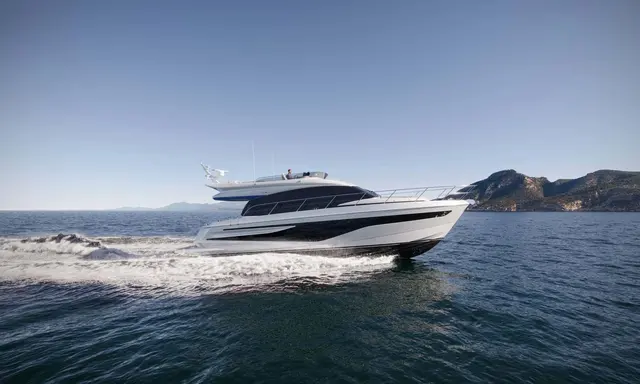
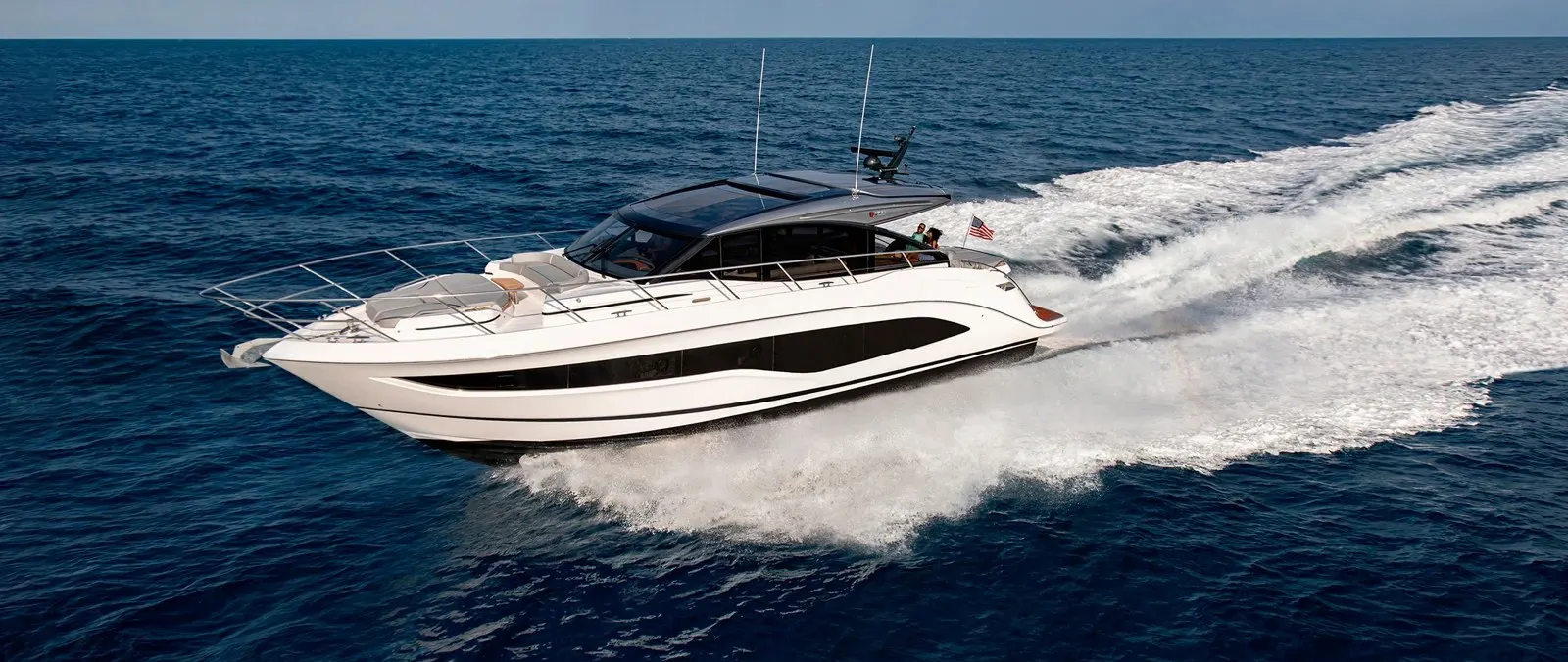
Official source: See the manufacturer information. Model information: official product details. Official Princess Yachts photograph of the V55 motor yacht. Source: Princess Yachts.