A maritime interior renewed rather than replaced
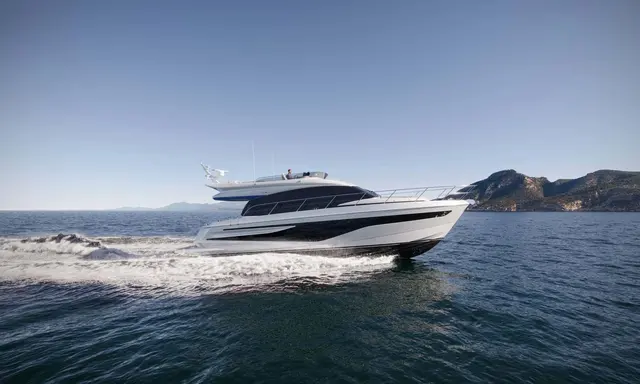
Cunard released the first photographs of its refurbished Queen Victoria on 12 November 2026, following a three-week period at Damen Shiprepair in Rotterdam. The vessel is a passenger liner accommodating approximately 2,000 guests, not a private yacht, and its scale makes direct comparisons of facilities inappropriate. Nevertheless, the programme offers a useful case study for anyone considering the renewal of a vessel whose personality is already established. Rather than making novelty the sole objective, the company has concentrated on selected rooms, accommodation and food service. The architectural identity of the ship remains central to the proposition. In an era when refits can easily become exercises in fashionable finishes, the decision to work with an existing vocabulary is especially interesting. For private yacht owners approaching a periodic interior refurbishment, the important question is often not which new stylistic direction to pursue, but what qualities of the existing boat deserve preservation. That distinction can help guide design decisions before the yard period begins.
The Queens Room as a lesson in continuity
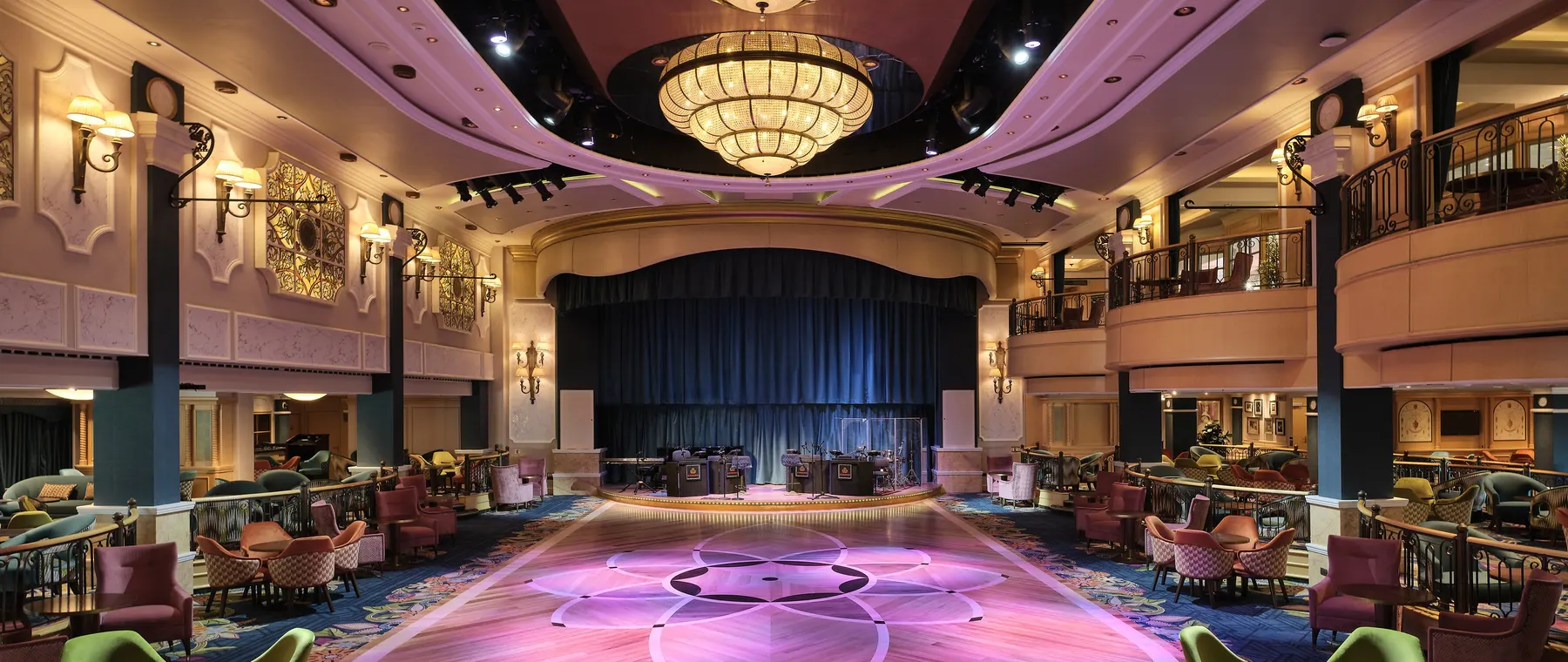
Among the spaces revealed in the photographs is the renewed Queens Room, a venue used for afternoon tea, music, dancing and formal evenings. Cunard describes a decorative scheme informed by the flower borders of royal palaces and by orange blossom jewellery associated with Queen Victoria. Butterfly motifs contribute another reference to the natural world. This is an example of a themed interior in which historical association is translated into a visual language rather than recreated as a period exhibit. There is a considerable difference between applying a historical motif indiscriminately and using it to differentiate a particular room. In a yacht saloon, an owner might derive similar cues from a favourite landscape, collection or family history. A coherent theme can influence upholstery, artwork, lighting and cabinetry while still leaving the room comfortable for everyday family life. The lesson is not to emulate the ship's ornament or proportions, but to consider which references make a floating home recognisable and personally meaningful.
Arrival and circulation as elements of hospitality
Cunard has also refreshed the three-level Grand Lobby. On a large passenger ship, arrival spaces must accommodate simultaneous movements of many people and direct them towards lifts, stairs and public areas. A private yacht has a different set of demands, yet the significance of arrival remains. A guest stepping aboard from the quay or returning from a tender immediately encounters the organisation of the boat. Where do shoes and belongings go, how comfortably can someone find the saloon, and is there sufficient room for crew to manage luggage without interrupting hospitality? These practical questions are architectural and operational, not simply decorative. On a yacht below 24 metres, space surrendered to an impressive lobby may be impossible to justify. Better lighting at the threshold, carefully positioned handholds, a secure place for belongings and consistent material transitions can communicate the same sense of consideration. The successful arrival experience takes account of the way a yacht is used on ordinary days as well as during special occasions.
Private accommodation and the value of restraint
The liner's Princess Grill and Queens Grill accommodation has received changes to furnishings and associated spaces. No claim about the exact dimensions of individual rooms or the composition of new materials can be made from the published announcement. The useful point is that guest accommodation is considered alongside the communal areas rather than treated as an isolated decorative project. For owners of midsize yachts, cabin improvements frequently require a series of compromises involving storage, berth access, ventilation and the comfort of people sharing a room. A new sofa or dramatic headboard has limited value if doors become awkward to operate or drawers cannot be opened when somebody is standing nearby. Changes to fitted joinery deserve particular thought: they must remain secure when the yacht is underway and should not compromise access to equipment or safety features. An experienced marine designer and yard can assess these constraints before committing to finishes. Photographs offer inspiration, but measurements and use cases determine whether those ideas translate successfully.
Natural light and the existing envelope
The refurbishment adds eight Britannia staterooms, three of which Cunard identifies as its new Deluxe Oceanview category with full-height glazing. The ship's announcement presents the windows as a means of emphasising views of the sea. A private yacht does not necessarily have the freedom to alter structural openings in the same way. Enlarging windows can raise questions of hull and superstructure engineering, weather integrity, solar loading and sightlines. Such work should be undertaken only following professional assessment and any required approvals. Even without changing windows, an interior can make more effective use of daylight by reconsidering the arrangement of seating, limiting tall furniture near glazing and selecting textiles that reduce glare without obscuring views. At anchor, the view may be the principal attraction of the entire room. The designer's task is to make that view available comfortably in a range of conditions, while allowing privacy when moored alongside in a busy marina.
Wellness as a practical food-service decision
The Pavilion Wellness Café has been introduced on Queen Victoria, following its appearance on two other Cunard ships. Its daytime menu emphasises plant-based dishes while also offering animal-derived choices. Rather than reading this development as evidence of a universal dietary preference, it is instructive to see it as the creation of another format for meals. Luxury aboard a yacht can include food served with minimal formality, at flexible times and in locations chosen by the guests. Achieving that freedom, however, is not simply a question of asking a chef for a larger repertoire. Refrigerated storage, fresh supplies, galley workspace, dishwashing and safe service during movement all influence what can realistically be offered. An owner planning a refit can discuss these arrangements with the people who work aboard before commissioning changes. If healthy breakfasts or lighter lunches are central to the family's routine, the relevant space and equipment should reflect those requirements instead of being optimised exclusively for elaborate evening entertaining.
Planning a refit around real use
Cunard's three-week yard period provides a defined context for the published programme. The duration should not be adopted as a benchmark for private yacht refurbishment: scope, regulatory obligations, existing condition, contractor availability and access to equipment differ enormously between vessels. A sensible approach for a yacht owner is to document problems during the previous cruising season, prioritise maintenance and safety work, and then decide which aesthetic changes can coexist with those tasks. A clear design brief can distinguish between items that require manufacture in advance, materials that must be sampled, and decisions best taken after existing structures have been examined. If an interior is particularly valued, recording its current appearance and construction is equally important. Replacing a damaged detail with a sensitive alternative may preserve more of its character than changing an entire room. The economics of a refit are best understood in terms of both expenditure and time away from cruising, including commissioning and correction of any defects after handover.
What the maritime heritage approach offers owners
Queen Victoria's renewed rooms are expected to serve future itineraries that include the Mediterranean and other established cruising regions. Cunard also lists a world voyage beginning on 10 January 2027, illustrating the long-term service context into which the refurbishment fits. For Luxury Yacht Guide readers, the interest here does not lie in equating a liner's product with the privacy and individual freedom of a yacht. Instead, the project highlights how a maritime interior can evolve without erasing its original identity. The best decisions will differ for each boat, whether the owner favours contemporary simplicity, understated traditional joinery or a highly personal collection of artwork. The governing considerations remain comfort, safe movement, compatibility with marine conditions and the pleasure of time spent aboard. A room should feel persuasive not only in a publicity photograph, but on a quiet morning at anchor, during a passage and when guests are gathered around the table. That is the more enduring definition of a successful interior renewal.
Sources and lead image
Source documentation: https://www.prnewswire.com/news-releases/cunard-unveils-first-look-at-reimagined-queen-victoria-following-extensive-transformation-302938046.html. Lead image: Queen Victoria's refurbished Queens Room — Cunard / PR Newswire. Official issuer-supplied press photograph, reproduced for editorial coverage of the specific announcement and resized for web display.