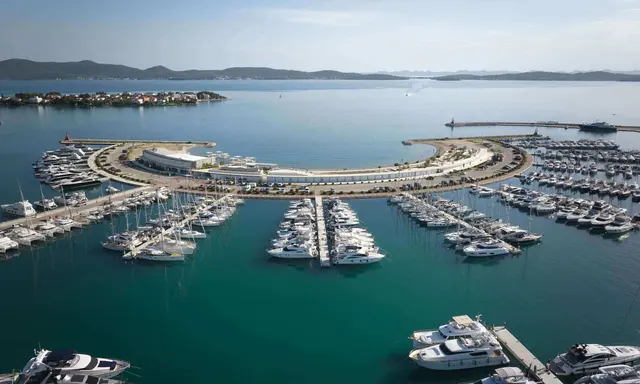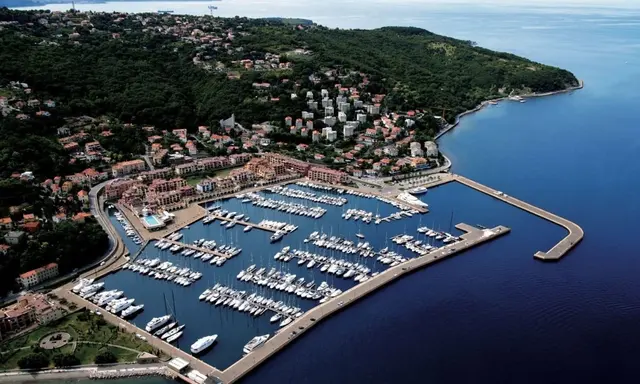
A winter base that deserves a yacht-size check
The winter question for an owner of a 12–23.99-metre yacht is often more complicated than finding a berth with shore power. The boat needs to be accessible for maintenance, secure during absences and convenient enough that guests will actually visit outside the main summer cruising season. Porto Montenegro in Tivat presents itself as a year-round Adriatic marina and has published a winter-berthing offer framed around staying seven months while paying for six. That makes the marina worth examining for this size class, but the offer is not a personalised quotation, and no berth should be treated as available until the operator confirms the exact vessel, dates and contract terms.
The actual advertised winter offer
Porto Montenegro's official winter page describes Premium and Platinum berthing packages and the headline offer of seven months for the price of six. It identifies the winter season as 1 October to 1 May, with summer defined as 1 May to 30 September. A seven-month seasonal pattern corresponds to the published winter window, but the contractual start and end dates, billing basis and included services require direct confirmation. The offer should not be interpreted as free electricity, unlimited water, a guaranteed berth or a discount on every possible vessel category. A luxury-yacht owner needs a written rate and a service schedule that match the boat's true overall length, including any platforms or appendages counted by the marina.
Size range and berth allocation
The marina states that its berth portfolio extends from small craft to large superyachts, putting a 12–23.99-metre yacht comfortably inside the published overall length range. The operator's pages show differing headline berth totals, so this guide does not present a single unverified capacity figure. More importantly, capacity is not the same as current availability or suitability. A 22-metre yacht with a generous beam may need a different allocation from a slimmer craft of the same length. Draught, height, electrical supply, access to shore-side services and the requirements of permanent crew also matter. Before planning a passage, send the marina current dimensions, insurance information and the intended dates and ask for an explicit berth offer.
Mooring arrangements and an assisted arrival
The operator describes ground-line mooring for normal berths and dock staff available to help take lines on approach. This matters to owners accustomed to finger pontoons or alongside berthing in other regions. The skipper must know which configuration applies to the assigned place, whether a stern-to approach is expected and what wind or cross-current precautions the marina recommends. The marina publishes VHF Channel 71 and coordinates on its contact information, but an arrival plan should be checked against current notices, charts and local instructions. Extra fenders and a proper line arrangement are more useful than assuming that every Mediterranean marina handles visiting yachts in exactly the same way.
Power, water and waste connections
Porto Montenegro says its berths provide individually metered water and electricity, with differing electricity capacities depending on berth size. The operator also describes grey- and black-water pump-out on berths over 15 metres and fibre-optic connectivity for those berths. That threshold is significant: a 13-metre yacht should not assume the same services are connected at its berth as a 21-metre yacht. Even at an eligible berth, the practical details should be confirmed—available amperage, plug type, metering, wastewater hose compatibility, connection fees and any need for advance booking. Winter storage is easier when the owner knows how basic services will be handled during prolonged absences.
What the marina says is available ashore
The development is more than a row of pontoons. The marina promotes a waterfront village with shops, restaurants, salons and a hotel, alongside a community of residents and visiting crews throughout the year. That combination can be attractive for owners who prefer an active shore base rather than leaving a yacht at a remote yard. However, seasonal opening hours for individual establishments may differ from the marina's own year-round operation. A berth quotation should not be treated as a guarantee that every restaurant, shop or recreational facility will be open on every winter day. Guests will benefit from checking local openings before scheduling a longer visit.
Maintenance on the berth and contractor access
The published winter package promotes access to a professional contractor network and the possibility of carrying out maintenance while the yacht is berthed. It lists services ranging from engineering and electrical work to HVAC, upholstery and coatings. This is useful, but not every project is suited to pontoon-side work. A yacht requiring lifting, underwater maintenance or major paint preparation may need a yard and a separate scope of works. Owners should request the marina's policies for outside contractors, permits, work hours, waste disposal and dockside protection. A simple winter jobs list helps distinguish work that can be planned in the berth from work that will require moving the vessel.
Security and the reality of leaving a yacht unattended
Porto Montenegro advertises round-the-clock security and yacht-assist services. Those are positive features when the owner is abroad, but they do not remove the need for a written care arrangement. A yacht left idle through winter still requires periodic checks of bilges, batteries, shore-power connections, covers, ventilation and alarms. The owner's insurer or appointed manager may specify inspection intervals. The marina's service offer should be compared with these requirements in detail rather than assumed to cover them automatically. Ask who is authorised to board the yacht, what events trigger an emergency call and which party holds keys and system instructions.
Crew and owner life beyond summer
For yachts carrying professional crew, the operator describes a Crew Club, social activities and opportunities for training, as well as crew residency support subject to the type of contract. For owner-operated yachts, the benefit is different: easy access to services, opportunities to visit the vessel and a comfortable base for short stays. The marina highlights discounted arrangements at selected hospitality businesses as part of its winter offer, but eligibility and conditions must be verified. Owners should avoid assuming that a crew permit, accommodation entitlement or a commercial service is granted automatically with every 12–23.99-metre berth. These matters depend on vessel operation and the individual agreement.
Why the Bay of Kotor requires weather judgement
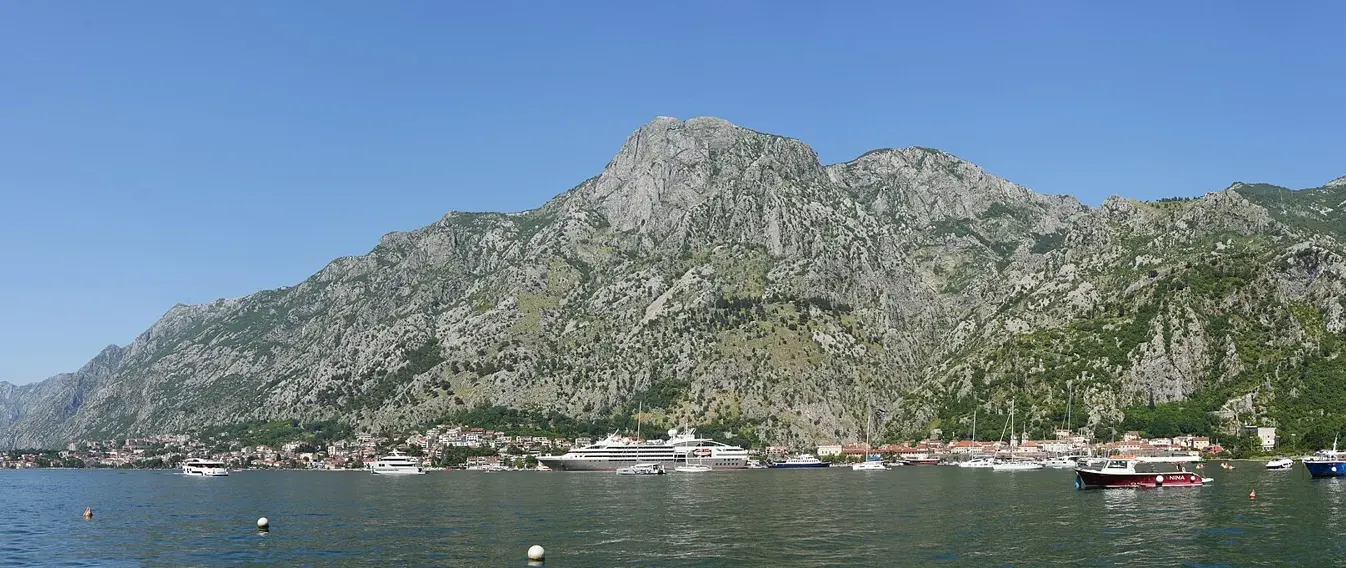
The setting is one of the marina's major attractions: Tivat lies within the Bay of Kotor, with a distinctive mountainous backdrop and historic coastal settlements nearby. A sheltered location can offer advantages over an exposed summer port, but the word 'sheltered' is not a substitute for winter-weather planning. Sudden wind changes, heavy rain and short daylight hours still affect passages and berthing manoeuvres. A yacht arriving late in the season should carry appropriate passage forecasts, a realistic diversion option and a berth confirmation before entering the bay. The operator's marketing of comparatively mild winters should not be read as a promise of calm seas on a particular day.
A practical three-stage winter checklist
First, prepare the yacht details: registration, true length overall, beam, draught, crew size, power requirement and expected dates. Second, request a detailed marina quotation that identifies the winter package, metered utilities, waste facilities, cancellation provisions and access arrangements. Third, arrange the technical care plan, including systems shutdown procedures, batteries, engines, freshwater hygiene, weather covers and periodic inspections. Owners planning intermittent winter cruises should also confirm procedures for leaving and returning to their berth and any customs or entry formalities for their nationality and flag. The point is not to add paperwork for its own sake, but to reduce uncertainty before a valuable vessel is left for months.
What a winter cruise can still offer
Basing in Tivat can make winter and early spring visits to the Montenegrin coast plausible, whether the itinerary is a short family weekend ashore or a carefully timed trip within the bay. Nearby Kotor and the communities along its shoreline reward unhurried exploration, but waterborne plans should remain flexible around daylight, weather and local operating restrictions. A larger holiday itinerary should also account for travel connections and marina attendance windows. For the mid-size luxury-yacht owner, the real appeal of a year-round marina is the option to combine reliable care for the boat with occasional enjoyment of the destination, instead of making storage and leisure entirely separate decisions.
What is confirmed, and what is not
This guide relies on Porto Montenegro's official berthing information, its advertised winter packages and the Tivat tourism organisation's description of the waterfront destination. The published seven-month-for-six offer, winter-season dates and available service categories are operator statements current at the time of writing. We do not quote an exact rental price, infer a confirmed vacant berth or promise particular weather. We also avoid confusing marina-wide claims made for superyachts with the needs of the 12–23.99-metre readership. Owners should obtain a current vessel-specific contract and independent advice on insurance, maintenance and local entry formalities before committing.