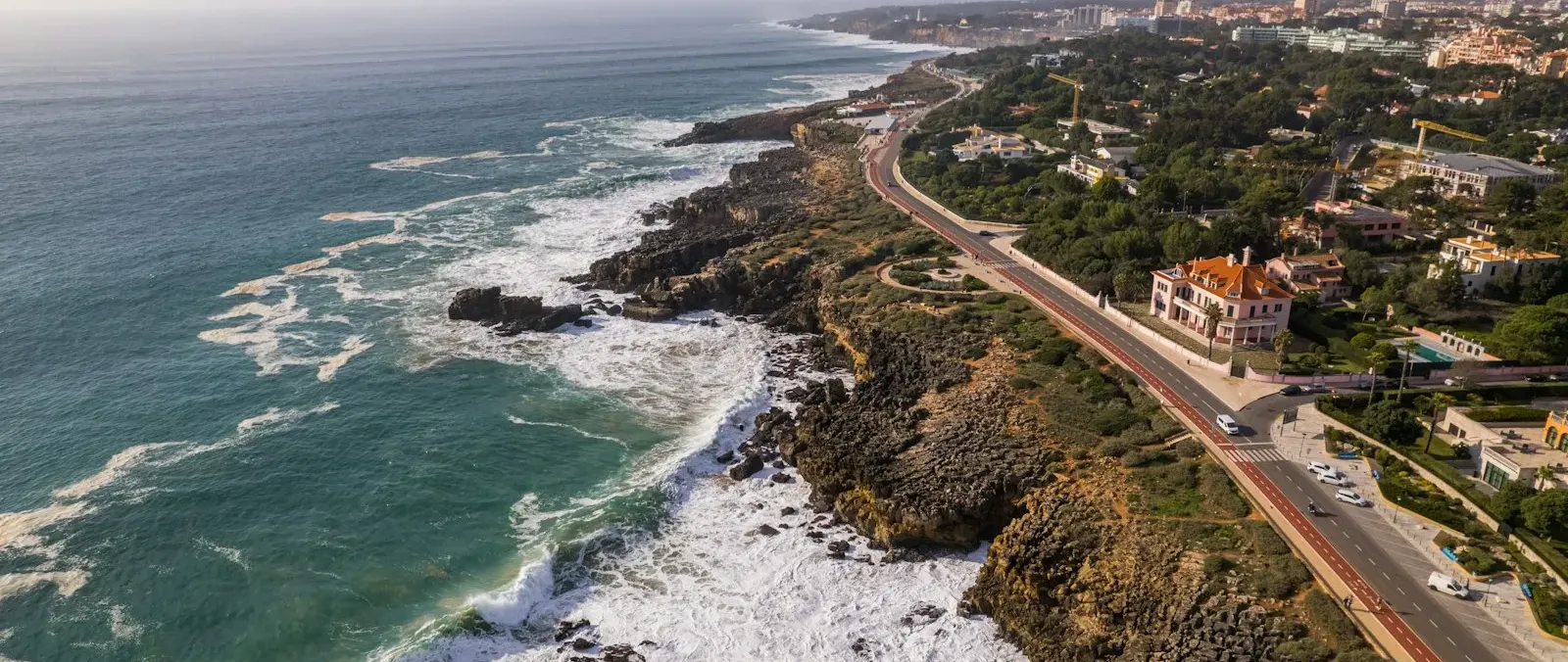
The Atlantic changes the rhythm of a yacht holiday
Cascais makes a persuasive first stop for a yacht holiday built around Portugal rather than a dash from one glamorous anchorage to the next. Set on the Atlantic coast west of Lisbon, the town offers a working waterfront, sheltered shore-side routines and a compelling combination of beaches, architecture and restaurants within walking distance of the harbour district. For a privately operated yacht of 12 to just under 24 metres, that matters as much as the reputation of the destination. A crew may want dependable logistics, while guests may want the freedom to spend a morning aboard and then explore without arranging a vehicle. The Atlantic is part of the attraction, but it is also the defining practical consideration. Unlike a protected Mediterranean basin, the approach and nearby coast can be affected by ocean swell, wind and changing visibility. A good Cascais stay begins with a realistic passage plan and ends with enough time ashore to appreciate the place.
A marina base, rather than a promised berth
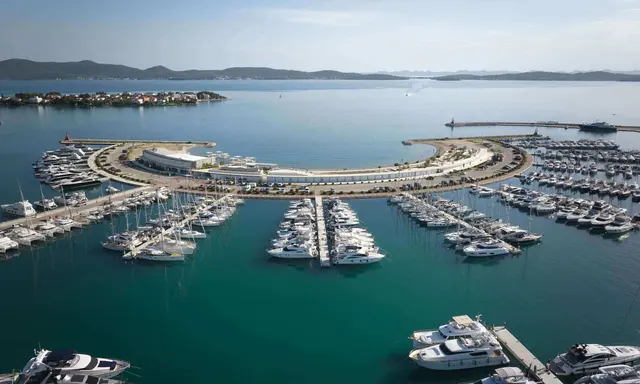
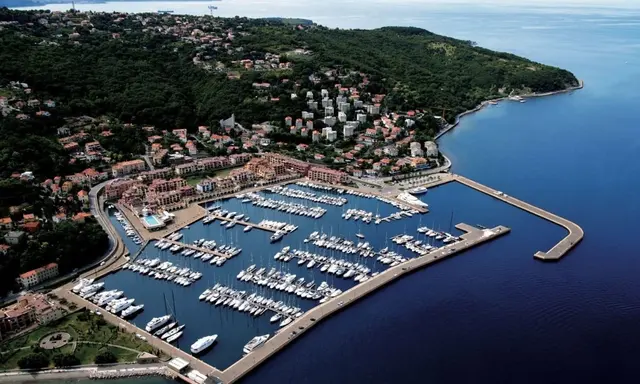
Marina de Cascais positions itself as a base for visiting yachts and provides published information on berthing, services and shoreside facilities through its own website. The distinction between a destination that is suitable in principle and a berth that is actually available is essential. Owners should contact the marina directly with a yacht's exact length overall, beam, draught, expected arrival time and requirements for power and water before committing to a schedule. The 12–23.99-metre category is broad: a slender sailing yacht and a wide-beam motor yacht can impose very different demands on the same pontoon. A marina's berth allocation is consequently a specific operational decision, not something that can safely be inferred from a length band. Confirm the booking terms in writing, ask for the current arrival procedure, and keep the marina's contact information accessible offline when entering coastal waters.
Coming in from an exposed coast
The practical appeal of Cascais can tempt a skipper to think of it as simply another city stop. A proper approach calls for more care. Atlantic swell may be noticeable even on a day that seems warm and settled ashore, and local conditions around headlands can differ from the forecast for Lisbon. Consult the latest official weather and navigational information, including current charts and notices, and check conditions at the marina entrance with its staff when appropriate. A visiting yacht should have an agreed arrival berth or instruction and should be prepared to wait in a suitable location if the entrance or allocated berth is not workable in the prevailing conditions. Details of the marina's reception arrangements appear on its website, but live instructions take precedence over any guide. The best luxury on arrival is a calm, unhurried manoeuvre, not a tight dinner reservation after a difficult approach.
Pricing depends on more than the hull's length
The marina publishes a tariff, but a figure copied into a travel guide can quickly become misleading. Berth fees may depend on dimensions, season, length of stay and ancillary services. In particular, beam can materially affect the category applicable to a visitor, and the correct price is not necessarily obtained by taking a published basic length rate and multiplying it by nights. Ask for a quotation for the exact vessel, including taxes and expected electricity, water or other charges. Owners comparing a short weekend visit with a longer stay should request both estimates because the effective nightly cost may differ. For charter guests, the person responsible for marina bookings should identify whether berthing is included in the charter arrangement or charged separately. The rewarding part of the calculation is that a convenient berth can reduce expenditure and time spent on repeated transfers across the trip.
What the yard information really means
For owners thinking beyond a holiday stop, Cascais publishes information about its nautical services, including yard support and lifting equipment. Its public material refers to service for craft up to 25 metres and identifies lifting capacities; these are useful preliminary indicators, not a guarantee that any particular 23.8-metre yacht can be hauled or serviced on demand. Weight, beam, hull form, lifting points, equipment availability and the yard's assessment remain decisive. A yacht that is within a published length limit can still be unsuitable for a given lift. Crews considering maintenance should request a written scope of work, discuss access and insurance requirements and check lead times before changing a cruising plan. Visiting for a simple provisioning stop is a different proposition from booking technical work. Treat published equipment specifications as the starting point for an informed discussion with the operator, not a substitute for engineering approval.
The pleasure of arriving in a town
One of Cascais's greatest advantages is that the destination does not begin at the end of a lengthy taxi ride. The central waterfront connects the boating experience with streets, cafés, shopping and places to sit and watch ordinary town life. This can change the character of a trip aboard a 15- or 20-metre yacht. Some guests may want swimming and water sports, others a leisurely lunch, and still others a quiet hour wandering through town. An accessible shore itinerary lets these preferences coexist without the crew operating an endless ferry service. It also encourages a more sustainable pattern of sightseeing: walking to nearby attractions and using public transport where practical. Those who want a more distant outing can then book a single purposeful transfer, rather than treating every coffee or gallery visit as an organised excursion.
A walk to the drama of Boca do Inferno
Boca do Inferno is one of Cascais's most distinctive coastal sights. The rock formation, sculpted by the sea, offers a useful reminder that this coast derives its character from the Atlantic's energy. The official Cascais tourism material identifies it as an attraction, and it can be incorporated into a shore-side walk or short outing from the town, subject to individual mobility and conditions. This is a place to admire the coastline from designated, safe viewpoints, particularly when the sea is rough. Visitors should respect barriers and avoid climbing close to exposed edges for photographs. A visit need not be lengthy: the pleasure lies in hearing the surf, studying the geology and then returning to town at an unhurried pace. For yacht guests accustomed to seeing a coast only from the water, this offers a different, more intimate perspective.
History beyond the waterfront
Cascais is not solely a marina-and-beach destination. Portuguese tourism resources point visitors toward the Cidadela area, museums and historic buildings, including Casa de Santa Maria and maritime-themed collections. Those interests can anchor a thoughtful half-day for guests who want substance between days afloat. Check each museum's current opening days, admission arrangements and exhibition programme before setting off; schedules can change, and some places operate shorter winter hours. The reward is a narrative about the place rather than another set of photographs that could have been taken anywhere. For families cruising together, splitting a visit between a museum and a shorter coastal walk can make the day appealing to different ages. Owners who cruise slowly may discover that Cascais becomes more memorable through these modest shore experiences than through any single restaurant or beach club.
Lisbon without moving the yacht
Cascais's relationship with Lisbon is a major reason to consider staying more than one night. The marina's own information describes proximity to the capital and its airports, while the coastal rail link makes a city excursion possible without repositioning a yacht. Guests can leave the vessel securely berthed, travel into Lisbon for architecture, food or cultural attractions, and return to their own cabin in the evening. The exact journey will depend on schedules, station access and chosen transport, so it is worth checking current services. This strategy is especially appealing when a captain would otherwise be weighing the cost, weather exposure and navigational work involved in moving the vessel for a purely urban visit. Make a Lisbon day a deliberate part of the holiday rather than treating Cascais simply as a staging post. The result is a yacht vacation with genuine variety.
Food, markets and flexible days
The quality of a yacht holiday often depends on provisions and a realistic division between meals aboard and meals ashore. Cascais lends itself to both. A skipper or chef can use the town as a base to refresh supplies, while guests may want a long lunch or an evening spent exploring local restaurants. Avoid assuming that a celebrated venue will have space for a large yacht party at short notice; contact restaurants directly and confirm dietary needs. The same principle applies to specialist supplies, repairs and courier deliveries: check with the individual business rather than relying on a marina location as proof of availability. A longer marina stop offers a crew valuable space to reset the yacht between passages. Laundry, cleaning and provisioning may seem mundane, but done well they restore the freedom to spend the next day on the water without urgency.
Choosing the right season and pace
Cascais can appeal in different seasons, but the kind of trip changes with the calendar. Longer daylight and warmer weather favour outdoor meals and coastal exploration; quieter periods may appeal to guests more interested in museums and city excursions. Neither approach removes the need to respect Atlantic forecasts. A sensible itinerary builds in flexibility, especially for visiting sailing yachts or motor yachts working within a narrow weather window. Instead of fixing a departure to coincide with a flight or restaurant booking, agree on a realistic margin and a contingency plan. When staying through unsettled conditions, a good berth and a walkable town turn waiting time into part of the holiday rather than an inconvenience. Check the marina's seasonal office and service hours directly, because opening patterns and technical support may not be the same throughout the year.
An itinerary that fits the yacht
For a three-night stay, a simple structure works well. Use the arrival day for a safe berth, yacht checks and a relaxed evening near the waterfront. Reserve the second day for Cascais itself, perhaps including Boca do Inferno and a museum, with no pressure to fit every attraction into a fixed route. On the third day, make a deliberate choice between a Lisbon excursion and another day of rest and local exploration. A shorter visit can still be satisfying, but only if the schedule allows the yacht to arrive and depart in suitable conditions. For a longer stay, owners might discuss maintenance possibilities or build a buffer before moving along the coast. This is an illustrative plan, not advice to enter particular waters or anchor in particular places. The skipper must make passage decisions from up-to-date local information.
Why Cascais suits the independent yacht owner
The strongest case for Cascais is not extravagance for its own sake. It is the balance between a recognised marina, a real town and access to the wider Lisbon region. That combination suits the owner who uses a 12–23.99-metre yacht as a means of travelling rather than merely as a destination. The coast demands seamanship; the marina requires confirmation of a specific berth; and good travel planning means checking current prices, hours and local rules. With those practical matters handled, the visit can become wonderfully uncomplicated. Guests are free to walk, explore, eat and discover Portugal at their own pace, while the yacht remains a familiar base. Cascais is at its best when treated as a place to inhabit for several days, not a box to tick between ocean passages.