Martinique's southern harbour as a first Caribbean base
Le Marin, on the southern coast of Martinique, is a serious working marina rather than merely a pretty anchorage. Its official harbour operator, Sud Nautique, describes a large purpose-built facility with pontoons, mooring buoys, shore services and staff handling visiting yachts. For owners of 12–23.99-metre luxury yachts, those practical qualities can make an arrival or extended stay more manageable than an improvised berth in a less-developed bay. The location also puts guests within reach of southern Martinique's beaches and coastal communities. This guide draws on the marina's current operating information and the Martinique tourism authorities, while keeping vessel-specific suitability, weather and entry formalities firmly in the hands of the skipper.
What the operator actually confirms
Sud Nautique states that Le Marin has 830 berths and 100 mooring buoys. The operator says it can accommodate vessels up to 60 metres in length and 4.80 metres in draught, figures that include rather larger yachts than Luxury Yacht Guide covers. A 15-metre motor yacht is therefore within the stated maximum dimensions, but not automatically entitled to a vacant berth. Availability depends on beam, draught, marina allocation, dates and other operating constraints. A mooring buoy may have a different size, service and weather limit from a pontoon berth. Obtain a written quotation and specific allocation before organising a passage, especially during the busier Caribbean cruising months.
The high-season schedule starts in November
The harbour office publishes distinct schedules by season. From November it lists a high-season office timetable, with longer weekday and Saturday afternoon opening than in the lower season, while Sundays and public holidays retain shorter hours. Owners should use the latest website timetable when selecting an arrival window, rather than assuming that a harbour staffed every day offers full administrative services at all hours. The marina's rules, booking process and published chart remain the primary references for navigating inside the facility. Yachts arriving after normal office hours should arrange in advance how access, berthing assistance and formal check-in will be handled.
Plan the berth, not just the destination
A common mistake when moving from Mediterranean marinas to the Caribbean is to assume the same berth geometry and line-handling arrangements everywhere. Le Marin offers both dock space and mooring buoys, so the approach depends on the confirmed allocation. For a 12–23.99-metre yacht, provide true length overall including platforms, the widest beam, laden draught, vessel type and any unusual manoeuvring needs. Ask the marina whether side-to, stern-to or another configuration is anticipated and whether staff can help during the planned arrival. The skipper must still rely on current charts, depth information, navigation notices and local instructions rather than a tourism map or aerial photograph.
Water, power and fuel matter on an island
The operator lists freshwater and electrical distribution networks within the harbour, together with fuel services. These can make Le Marin an attractive provisioning and turnaround base, although individual connections and fuel specifications need to match the yacht. A vessel with large hotel loads should confirm available amperage and plug type, particularly if refrigeration and air-conditioning will run through a longer stay. Do not infer that the marina can provide every fuel grade at every hour without checking. The fuel dock may have separate operating procedures and waiting times. Good practice is to calculate the likely consumption of the next leg, add a prudent reserve, and book any specialist replenishment before departure.
Waste management and practical sustainability
The marina advertises grey- and black-water collection at its pontoons, plus facilities for used oil, batteries and other materials. Owners should plan these services in the same way as fuel or water rather than treat them as an optional afterthought. A 20-metre luxury yacht on an extended guest itinerary can generate significant freshwater and wastewater demand. Ask how pump-out is booked, what connections are accepted, and whether the service is available at the assigned berth or requires movement to a dedicated point. The harbour specifically recommends appointments for pump-out, especially for short stops. These details help keep the cruising programme comfortable while protecting the receiving harbour.
Clearance is part of the arrival
Sud Nautique highlights clearance procedures for visiting yachts and says its harbour office can help with the relevant documentation. That does not remove the need for the vessel to meet applicable French and regional rules. The requirements may differ according to nationality, flag, previous port, crew status, cargo and the nature of a charter voyage. Yacht owners should confirm the latest entry, immigration, customs and health requirements with competent authorities before arriving. The marina's published customs information can be an initial reference, but it should not be mistaken for an individual legal determination. Organising passports, registration and crew information in advance saves time after a long passage.
Repairs, shopping and an operational shore base
The harbour operator identifies a range of on-site or nearby services: laundry, shops, marine supplies, vehicle rentals, medical facilities and restaurants. Regional tourism listings also describe a network of professionals supporting visiting boats. The availability of services close to the berth is a significant advantage for a family yacht or a small crew, especially when a planned trip includes maintenance or restocking. However, services vary by provider, and the operator's list should not be read as an all-inclusive package. Arrange specialist engineering work with an appropriately qualified contractor and allow room in the schedule for parts that must be shipped to the island.
What to do away from the pontoons
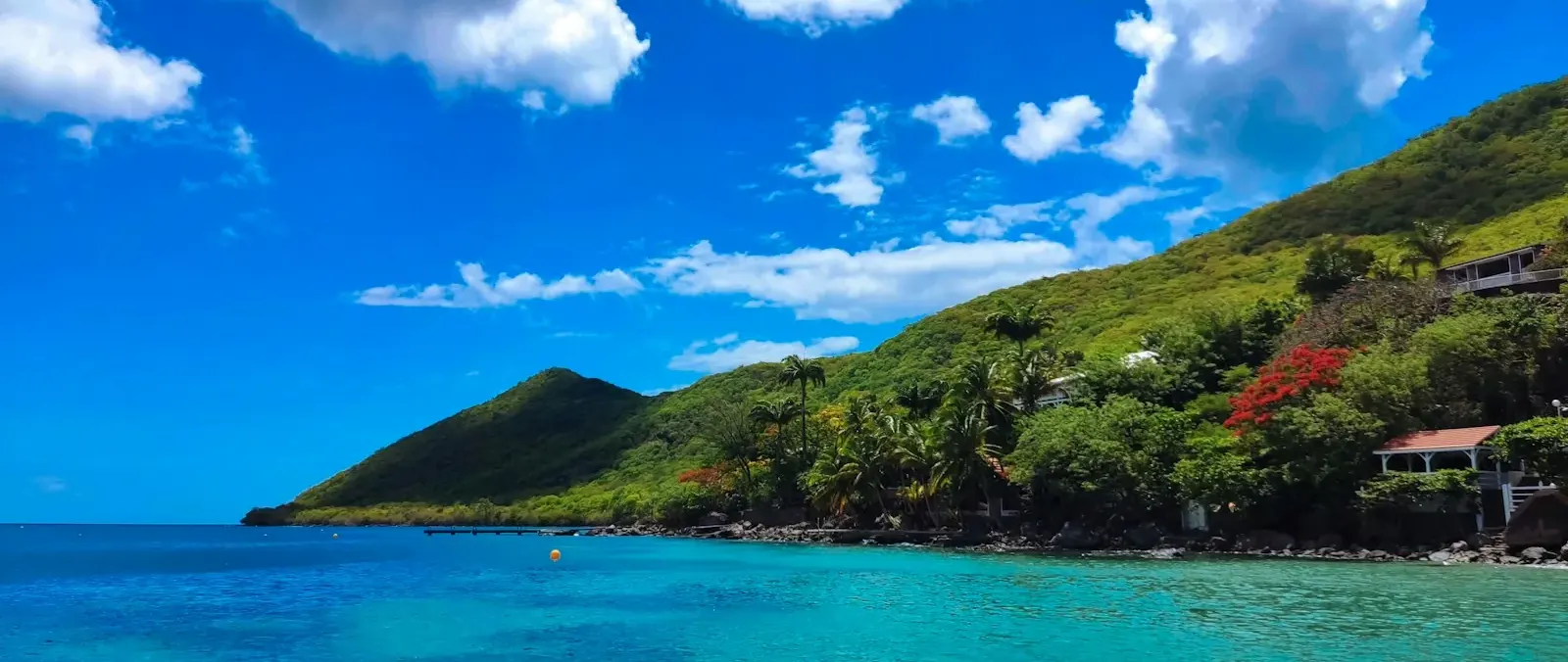
Martinique's tourism office describes Le Marin as a southern coastal town with beaches, walking routes and a long maritime identity. Visitors can explore the harbourfront, spend time in local restaurants or plan trips towards nearby beaches such as Cap Macré, Cap Ferré and Cap Chevalier. These are general destination possibilities, not guarantees of easy yacht anchoring at each named beach. Some outings will be simpler by car or guided excursion than by bringing the mother yacht into shallow or exposed water. The pleasure of basing in a staffed marina is that guests can enjoy the island with the yacht safely allocated, while the skipper keeps operational decisions separate.
Conditions beyond the marina breakwater
A marina inside a large bay can feel reassuring, but Caribbean passages demand respect for weather, swell and the seasonal cyclone risk. The approach to Martinique and any onward island passage should be planned against authoritative marine forecasts and emergency notices. Owners should also check insurer requirements for geographical limits and named-storm periods. Marketing descriptions of a protected harbour are not the same as a formal guarantee of storm safety. For a yacht that may be left unattended or for an extended stop, discuss the marina's heavy-weather plan, the owner's responsibilities and any relocation instructions before the crew leaves the vessel.
Connectivity and everyday living afloat
Sud Nautique describes wireless internet coverage across its pontoons and parts of the anchorage, with limited daily complimentary access and paid options. This could be useful for a yacht's administration or guests, but neither coverage nor speed should be assumed adequate for critical remote work without testing. Owners who rely on onboard monitoring and communications should retain their normal independent systems. The marina also lists harbour-office support, sanitary facilities and waste services that affect the quality of a longer stay. Those everyday practicalities often matter more than the headline berth count when a yacht becomes a temporary home.
A measured two-night itinerary
For a first visit, a sensible plan might reserve the arrival day for formalities, fuel, water and a short harbourfront walk. On the second day, guests could explore the southern coast by land, taking time for a beach or local meal while the skipper checks the weather and prepares any onward leg. A third morning can be used for provisioning, waste service and departure formalities. The exact pace should follow crew fatigue, opening hours and sea conditions rather than an ambitious sightseeing list. A luxury-yacht visit is most enjoyable when basic vessel obligations are completed before guests start their excursions, leaving them free to experience the destination.
How the figures were verified
This guide is grounded in Sud Nautique's official marina and service pages, together with Martinique's official tourism descriptions of Le Marin and the port. The berth count, overall marina dimensions and service categories are operator-published, not independently measured. The article makes no promise of available berths, guaranteed weather, fixed tariffs or simplified entry rights. It is written for owners in the 12–23.99-metre segment, despite the marina being capable of welcoming both smaller and significantly larger vessels. Always secure current harbour instructions and a berth confirmation before arrival.