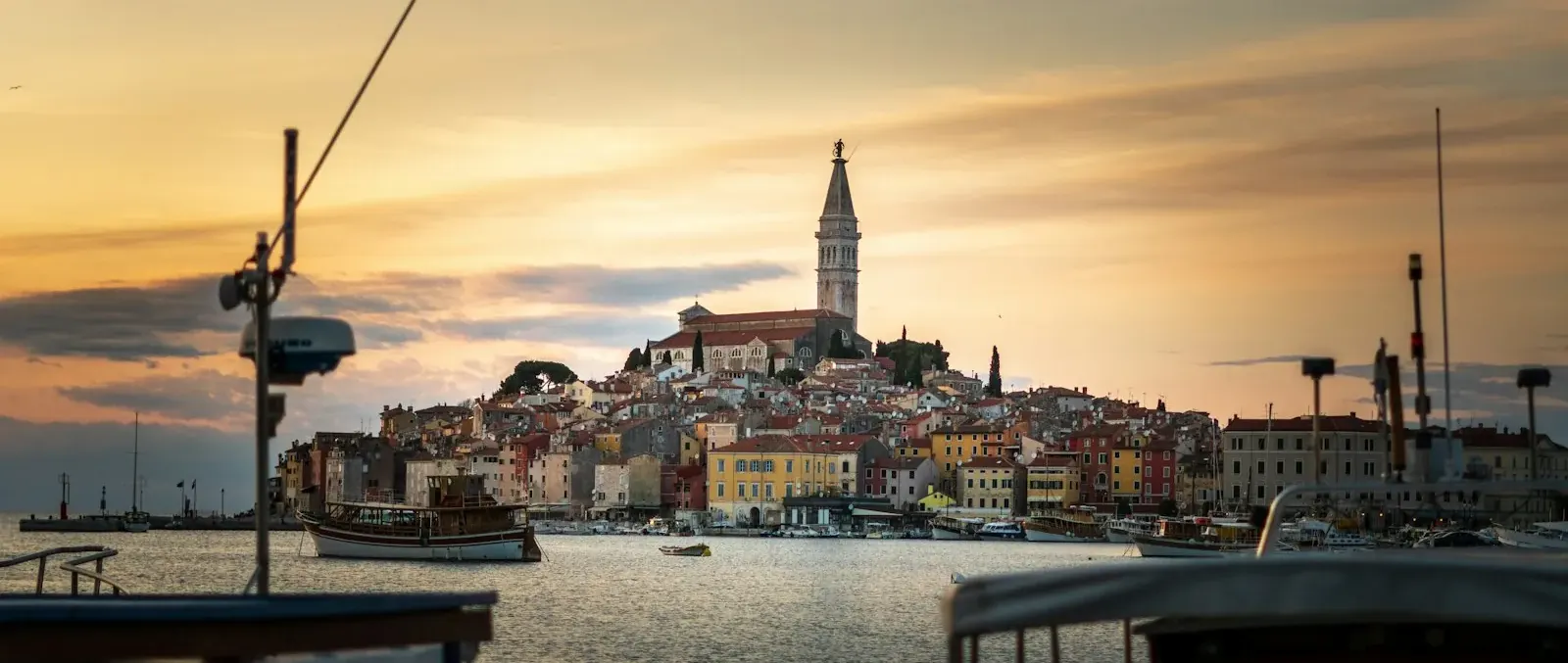
Why Rovinj rewards a careful yacht arrival
Rovinj has the sort of silhouette that can define an Adriatic cruise: a tightly grouped old town, a prominent church tower and water on almost every side. But for owners of 12–23.99-metre luxury motor yachts, the important first question is practical. Where can the yacht be berthed safely while the guests enjoy the city? ACI Marina Rovinj offers a purpose-built option on the southeastern side of the harbour. Its published details make it possible to plan the visit without assuming that a picturesque waterfront quay is available to visiting vessels of any length.
The marina's actual published figures
ACI states that its Rovinj marina has 195 berths and operates throughout the year. The operator differentiates maximum vessel lengths by berth type: up to 50 metres for a daily berth and 35 metres for an annual berth. These are marina capacity limits, not promises that an individual berth is available. A seventeen-metre yacht is inside the published maximum, but allocation must still account for overall length, beam, draught, dates, services and local conditions. For owners organising a multi-port itinerary, the official online booking or berth enquiry is the place to establish the facts before committing to a passage.
A central position without using the historic quay
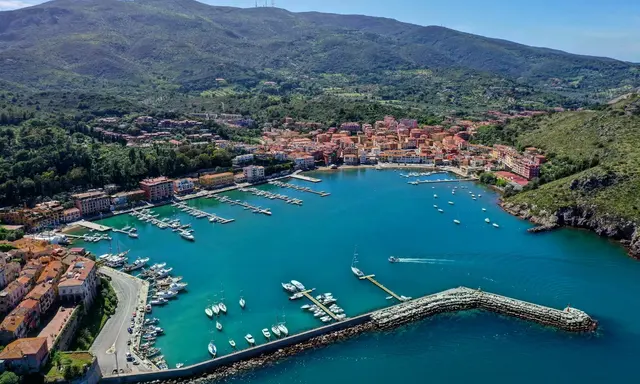
The marina lies close to the old town, which means guests can experience Rovinj on foot after securing the yacht in dedicated facilities. ACI notes that the Church of St. Euphemia, the island of St. Catherine and the town's compact historic waterfront dominate views from the marina. The difference from a small harbour stop is valuable: the crew has a managed environment for power, water and shore services, while the best part of the visit unfolds beyond the gates. Arriving in a larger motor yacht should not require tying to an old waterfront wall merely because that is where holiday photographs show small fishing boats.
Approach information is published, but charts come first
ACI provides approach guidance including visual marks and known navigational hazards around Rovinj. That information should be read alongside updated official Croatian hydrographic charts and notices, not treated as a substitute for them. The operator describes distinctive coastal landmarks and warns of a shoal between St. Catherine Island and the harbour's entrance approaches. Visiting captains must account for their own draught, weather, traffic and the instructions issued locally. We deliberately avoid reproducing a do-it-yourself course or fixed waypoint in a lifestyle article. Navigational decisions belong to current official products and the person responsible for the vessel.
Contact before you reach the harbour entrance
The ACI site lists a marina telephone contact and VHF channel 17, together with the nearby harbourmaster office information. Use the published details to verify arrival procedures close to your date of travel, particularly if arriving late, operating a sizeable yacht or requiring assistance. Confirm which side of the harbour is intended for your berth and whether a marina staff member will provide berthing help. Berthing a broad-beamed motor yacht in crosswind demands far more information than a tourist photograph reveals. A short conversation with the marina before arrival can prevent confusion and unnecessary manoeuvring in the busiest water.
Onshore services that matter to an owner
ACI lists toilets, showers, laundry, a restaurant, repair and maintenance facilities, parking, Wi-Fi and other amenities at its Rovinj marina. It also identifies wastewater reception arrangements and a fuel station nearby rather than necessarily on the booked pontoon. For a longer cruise, these details affect how the stop is used: laundry can be completed while guests visit the old town, technical questions can be raised before the next leg and provisioning can be planned ashore. Owners should ask about exact services, working hours and eligibility where necessary. A facility listed on an operator's website should never be assumed to be available without qualification every hour of every day.
A rebuilt marina in an old coastal setting
The operator says a broad reconstruction of the marine and shore portions was completed in 2019. This history helps explain the marina's contemporary facilities and the striking contrast with the older peninsula across the water. It is the kind of setting in which shore-based design and hospitality infrastructure can contribute to the overall yacht experience. Nevertheless, premium appearance should not displace normal checks: fender setup, shore leads, waste arrangements and security procedures remain important in any harbour. The most successful luxury arrival is often one whose technical preparation becomes invisible once the guests step ashore.
The climb toward St. Euphemia
The official Rovinj tourism portal identifies the Church of St. Euphemia as one of the central cultural landmarks of the town. Its position above the tiled roofs makes it a natural orientation point for a walk through the old streets. Visitors should allow time for the climb and for narrow paved passages, rather than treating the visit as a quick transfer from yacht to viewpoint. Religious buildings can have access restrictions connected with worship, maintenance or special events; current local information should govern when entering. A respectful, unhurried approach leaves time to notice the small details of the historic urban fabric.
Why the batana matters to Rovinj
The Batana House Eco-Museum is devoted to Rovinj's traditional flat-bottomed wooden boat and the community's connection to that craft. The official tourism source says the institution was founded in 2004 and presents it as an expression of local maritime identity. For guests accustomed to twenty-metre yachts with electronic systems and modern interiors, the batana offers a compelling counterpoint. It reflects a working relationship with the sea formed around fishing, shallow coastal waters and local craftsmanship. A museum visit helps explain why Rovinj's maritime character extends well beyond the facilities of its newest marina.
Explore the narrow lanes deliberately
Rovinj's old town is best understood on foot. The tourism board directs visitors through old walls and gates, Balbi's Arch, Grisia Street and lanes connecting the waterfront to the upper church. This makes a useful afternoon walk for yacht guests who want culture without committing to a full-day inland excursion. Cobbles, slopes and summer crowds can slow the pace; carrying comfortable shoes and water is more useful than overplanning every corner. The changing views back toward the sea make the town appealing at different times of day. Avoid making definitive claims about gallery openings or individual cafés without checking current hours.
Food, traditions and a relaxed evening
The tourism board highlights local food, maritime history and events associated with the batana tradition. Rather than recommending a fixed restaurant on the basis of unverified availability, this itinerary suggests leaving a free evening to walk the waterfront and choose somewhere suited to the group's mood. Istrian produce and local seafood can be a rewarding part of the stay, but menus, reservation policies and opening times are highly seasonal. Visitors may also find traditional boat-related cultural events on the official calendar. An overnight yacht call is often richer when guests can return to the waterfront after the day-trippers have departed.
The islands and the caution around shore excursions
The small islands seen from Rovinj are an attractive feature of the town's coastline, but they should not be turned into unsourced anchoring instructions. Swimming, tender use and overnight mooring arrangements depend on local regulations, conditions and the actual draft and equipment of the visiting yacht. A guest excursion that looks short on a map can become uncomfortable when afternoon wind increases or commercial traffic is active. Discuss planned activities with the marina and consult current charts and local restrictions. The goal is to enjoy the water while recognising that sightseeing and navigational permission are different matters.
A short-stay itinerary that works
For an arrival afternoon, complete marina formalities and explore the waterfront and the nearest old-town streets. Reserve the next morning for St. Euphemia and the historic centre, with time for the Batana House museum if its published hours fit. The afternoon can accommodate a relaxed meal, provisioning or a quiet return to the yacht. If an extra day is available, consider a guided cultural walk organised through the local tourism authority or a land excursion into Istria. A little flexibility is essential, especially when the next yacht passage depends on weather, berth availability and daylight.
Leaving the next leg in good order
Before departure, confirm the marina's checkout process, settle shore utilities as instructed and check the vessel's water, fuel and waste arrangements. The Adriatic can change character quickly with local winds, so a passage plan should reflect current forecasts and official notices. Also review documentation, local maritime requirements and the procedures for the next country or port if the voyage crosses borders. These practical details rarely feature in destination photography, yet they underpin a pleasant itinerary. For a motor yacht cruising with family and friends, safe preparation is part of the luxury, not a distraction from it.
Rovinj's real attraction for this yacht class
ACI Marina Rovinj makes a compelling base because it is a dedicated operation with transparent published berth limits and useful shore facilities, while the old town offers genuine maritime heritage rather than manufactured nautical atmosphere. The same day's experiences can include a modern pontoon, a historic church, a traditional wooden batana and an evening on the waterfront. The right conclusion is not that Rovinj is suitable for every yacht on every date. It is that owners in the 12–23.99-metre segment have an official starting point for berth enquiries and a rich cultural destination worth planning carefully.
Archival photograph: Rovinj coastal town at sunset by Danijel Škabić / Unsplash, shared under the Unsplash License. Cropped/resized and converted to WebP; image does not depict today's berth availability.