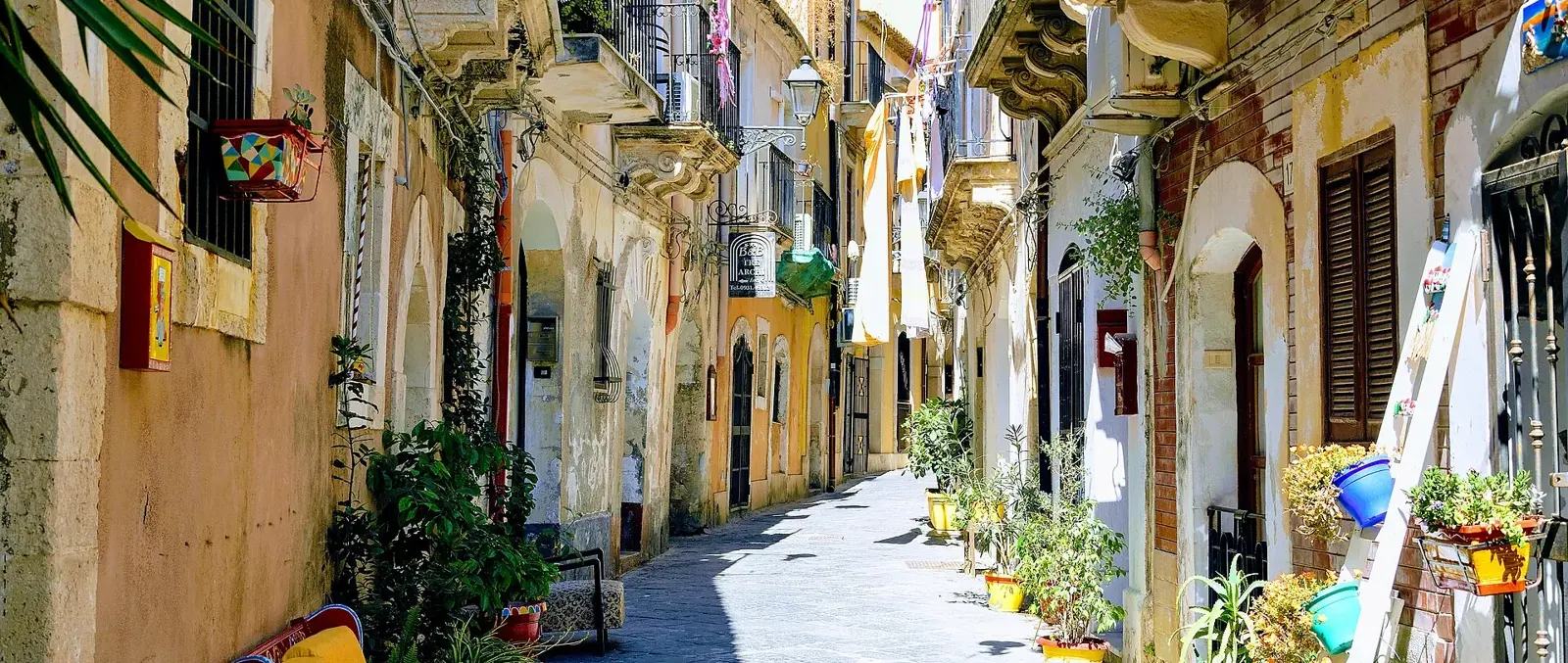
A rare meeting of harbour and historic city
Some yacht destinations require a long transfer between the boat and the reason for visiting. Ortigia, the historic island at the heart of Syracuse, has the opposite appeal. The harbour and the old urban fabric sit beside each other, allowing visitors to exchange deck shoes for a walk among ancient streets without losing half a day in transit. Marina Yachting Siracusa describes its pontoons as lying within Porto Grande, close to the channel that separates Ortigia from the rest of the city. That convenience is particularly attractive on a midsize luxury yacht, where a family or couple may want both the privacy of their own accommodation and the freedom to explore independently. The objective is to treat Syracuse as a destination in its own right, not merely a technical stop on a longer Sicilian cruise.
Understanding the approach
The official marina arrival page places the berthing area at Molo Zanagora in Porto Grande and asks arriving boats to contact VHF channel 69 before entering the allocated space. It describes stern-to mooring with marina staff assisting with the forward lines, followed by registration ashore. These are useful planning facts, but they are no substitute for the latest sailing directions or instructions issued to a particular vessel. A skipper should verify approach depths, notices to mariners, traffic, weather, current marina procedures and clearance obligations before arrival. In a busy port, a smooth docking is more satisfying than a spectacular but poorly prepared entrance. Guests can enjoy the shore once the captain has finished the practical work.
The right berth is a conversation
Length overall tells only part of the story when a 16-metre sailing yacht or a 22-metre motor yacht seeks an urban berth. Beam, draft, shore-power requirements and the location of the tender also affect suitability. Marina Yachting Siracusa advertises smart electrical pedestals and a self-check-in service, while its published arrival guidance lists available shore connections at different amperages. Those details should be matched against actual onboard demand rather than treated as a universal service specification. Ask in advance whether the planned berth can support the yacht’s connections, whether water and waste services are available and how arriving guests should move from pontoon to town. A brief call to the marina before departure can prevent a collection of small irritations on arrival.
Three millennia underfoot
Syracuse is much more than an attractive waterfront. UNESCO’s listing of Syracuse and the Rocky Necropolis of Pantalica recognises exceptional evidence of Mediterranean civilisation, stretching from the ancient Greek period through Roman remains to Sicilian Baroque urban architecture. Ortigia is the historic core of that narrative. The island rewards visitors willing to think beyond a single famous square: its streets contain the complicated relationship between different periods of construction, reuse and repair. An unhurried walk can make these layers visible without turning the day into an archaeological lecture. For a yacht party whose previous days have been governed by navigation and anchorages, the city offers a different sort of discovery—one that is best approached on foot.
Start at the waterfront
The natural first walk begins near the harbour. Instead of immediately seeking a crowded landmark, give the eye time to register the scale of the old buildings, balconies and lanes opening towards the sea. The city’s maritime character remains visible because the water is never far away. Guests can move from a quay to a quiet street and then back to a broad view of Porto Grande within a short span. This makes Ortigia especially suitable for a flexible afternoon after a passage. A couple may want to wander and select a terrace; a family might prefer a compact route with frequent breaks. The important thing is to avoid overloading the first afternoon with a checklist of monuments before everyone has had time to settle.
The cathedral square and its layers
Ortigia’s Piazza Duomo is one of the city’s most memorable urban rooms, but the details matter as much as its grand proportions. Syracuse’s long history has left architectural layers that invite close inspection rather than the quick photograph taken from the centre of a square. Arriving early or returning in the softer evening light can reveal different aspects of the same stone facades. Take time to discuss the story with a knowledgeable local guide if guests are interested in architecture or archaeology. It is easy to make a destination feel luxurious by reserving an expensive lunch; a more enduring memory often comes from understanding why a place looks as it does and how successive generations have adapted it.
A different kind of afternoon ashore
A yacht itinerary normally revolves around the water, but Syracuse encourages a useful reversal. The boat becomes the base while the central experience is a walk through streets and squares. For guests who wish to do more than sightsee, a relaxed café stop, a visit to a small shop or a local food tasting can supply texture that an organised coach excursion rarely captures. Keep practical matters in view. Streets may be uneven and summer heat can be demanding, so plan shade and pauses, especially for children or older travellers. If mobility is a concern, discuss an accessible pickup point with a local operator before leaving the yacht. A well-paced shore day should leave everyone eager for the following morning.
Seafood and the pleasures of restraint
Sicily’s culinary appeal is an obvious reason to reserve at least one proper evening ashore. Yet Ortigia’s best dining plan depends less on fashionable names than on how the evening fits the party. A lunch after a morning swim may suit one group; another might prefer a late dinner after touring the town. Ask about a restaurant’s opening days and book when necessary, especially during popular holiday periods. The maritime setting naturally invites seafood, but dietary preferences and seasonal availability should guide the choice rather than an assumed fixed menu. Return transport may be straightforward if the yacht is berthed close to the old town, but confirm the precise walking route and dock access before guests set off.
The attraction of a two-night stop
A single night can deliver a lovely dinner and a short stroll, but it leaves little room for the full cultural landscape. Two nights give the crew time to manage the yacht without haste and allow guests to choose between the island’s historic streets and other archaeological attractions in the wider city. UNESCO’s inscription explicitly includes more than Ortigia itself, so a second day can make the visit intellectually richer. That does not require an exhaustive tour. Choose one substantial cultural excursion and keep the rest of the afternoon free. Yacht travel is at its best when guests can adapt a plan according to weather, curiosity and energy. The privilege is flexibility, not the obligation to use every available hour.
Why off-season travel can be appealing
Syracuse’s climate and heritage make it interesting beyond the most crowded summer weeks, although weather and marina operations always need checking. A shoulder-season passage may place more emphasis on town visits and regional food than on a long sequence of swimming stops. In late autumn, an owner may use Ortigia as a cultural break during a longer voyage or as a carefully chosen harbour stay before planning onward movement. None of this means the sea can be taken for granted. Reduced daylight, frontal weather and service changes can materially alter the programme. Ask the marina about seasonal staffing, berthing and utilities, and let the skipper choose an appropriate weather window before committing to the next leg.
The responsible yacht visitor
Historic coastal centres carry pressures from tourism, and a private yacht should contribute as lightly as possible. Use appropriate waste-reception services, respect waterfront rules and avoid unnecessary disturbance near other boats or residents. Do not presume that an attractive quay is available for an informal tender landing. If the party wants to explore by bicycle or scooter, establish whether those modes are permitted and suitable within the historic streets. A small group with a local guide may discover more and impose less disruption than a large self-directed procession. Good travel manners also improve the experience: residents are not performers, and the most atmospheric corners of Ortigia remain ordinary places where people live and work.
From Ortigia to the wider coast
A Syracuse stop can be part of a broader east Sicilian itinerary, but the onward course should be planned using current charting and professional local guidance. The surrounding coastline offers other possibilities, yet the right day to depart depends on marine conditions, crew readiness and a confirmed berth or appropriate anchorage at the next destination. Be wary of the temptation to select an itinerary solely because a series of ports appears close together on a map. Coastal features, exposure and seasonal restrictions matter. A yacht with comfortable cabins, a well-equipped galley and a spacious deck can turn a weather-bound afternoon into a pleasant part of the voyage. There is no need to chase every next stop when a place as rich as Ortigia is close at hand.
An elegant itinerary begins with practical details
The best version of an Ortigia visit is simple: reserve a suitable berth, verify the port approach and local clearance requirements, arrive without haste and give the historic centre at least one full day. The marina’s guidance about VHF contact, mooring assistance and registration provides a useful starting point, while UNESCO’s material makes clear why Syracuse merits more than a dinner reservation. Choose a small number of meaningful experiences—architecture, an archaeological visit, an unhurried meal, perhaps an early waterfront walk—and leave the rest of the time open. For owners and guests of a luxury yacht under 24 metres, this is a particularly attractive kind of Mediterranean travel: the boat is comfortable and capable, but the shore remains the star.
Photograph: Ortigia, Syracuse, by Alfonso Messina Siracusa (8 July 2017), Wikimedia Commons, CC BY-SA 4.0; resized and converted to WebP.