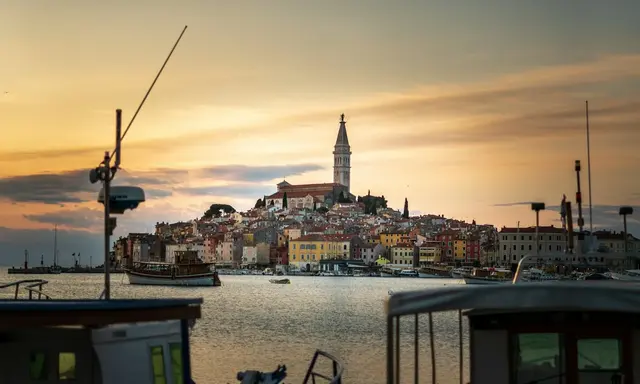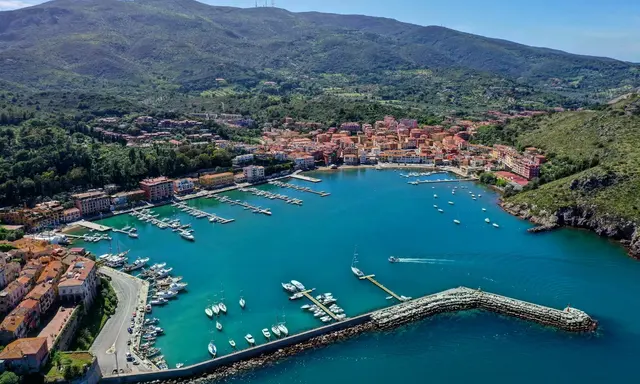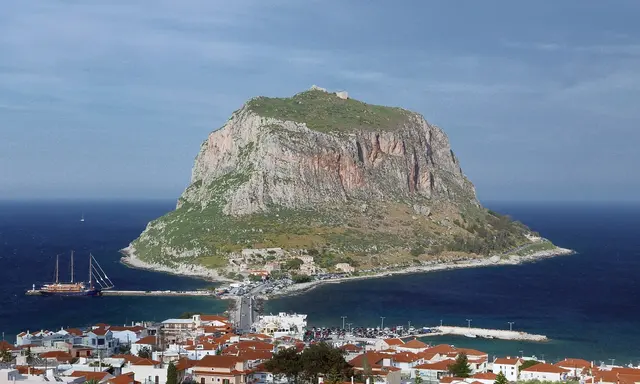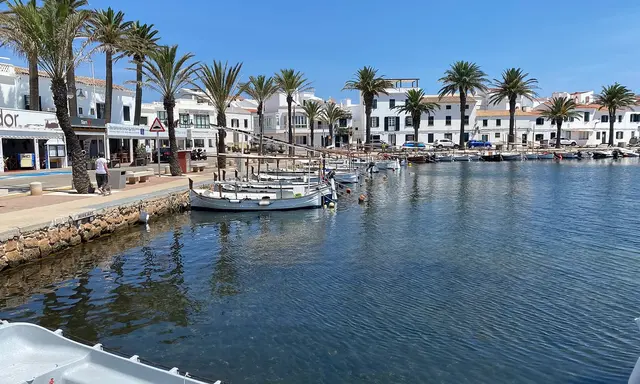
An Adriatic corner of a different scale
Slovenia occupies only a short section of the Adriatic coast, and that compactness gives yacht travel there a character quite different from an island-hopping Mediterranean itinerary. Portorož and nearby Piran combine an established marina, a historic waterfront town and access to salt-making landscapes in a remarkably small area. The appeal is not the number of nautical miles that can be logged in a day. It is the chance to leave a capable cruising yacht securely berthed and move easily between sea, architecture, food and cultural sites. For a family aboard a 14-metre sailing yacht or an owner aboard a 21-metre motor cruiser, that is a genuine form of luxury. Slovenia’s national tourism authority makes the relationship between Piran’s maritime heritage and its historic salt pans central to the destination’s identity.
A marina sized for real cruising yachts
Marina Portorož’s official berth information lists 650 sea berths across two water areas and describes accommodation for boats from 6 to 30 metres, subject to a stated maximum draft of 3.80 metres. The marina advertises shore electricity and water, secure parking, wireless internet, a fuel station and facilities for pumping out wastewater. These are meaningful facts for owners planning a stay, especially when a yacht is being used for more than a one-night cultural call. The figures do not establish that a berth is currently available for every beam or draft, nor that a particular service can be used without advance notice. Contact the operator with full vessel dimensions and arrival dates to confirm the practical arrangements that matter to your yacht.
The distinction between Piran and Portorož
The marina and the best-known historic streets are not the same place. Portorož supplies more of the modern resort and marina infrastructure, while Piran retains the dense urban form that makes it one of the coast’s most photographed towns. For yacht guests this is an advantage, provided transfers are planned rather than assumed. A berth in Portorož gives the crew a workable technical base; a shore visit to Piran can then be enjoyed without moving the yacht for a trivial gain in proximity. The Slovenian tourism authority groups the two settlements as a connected destination while describing their different characters. A carefully arranged day can include the old town, lunch and a return to the marina in time for a relaxed evening aboard.
Piran’s Venetian character
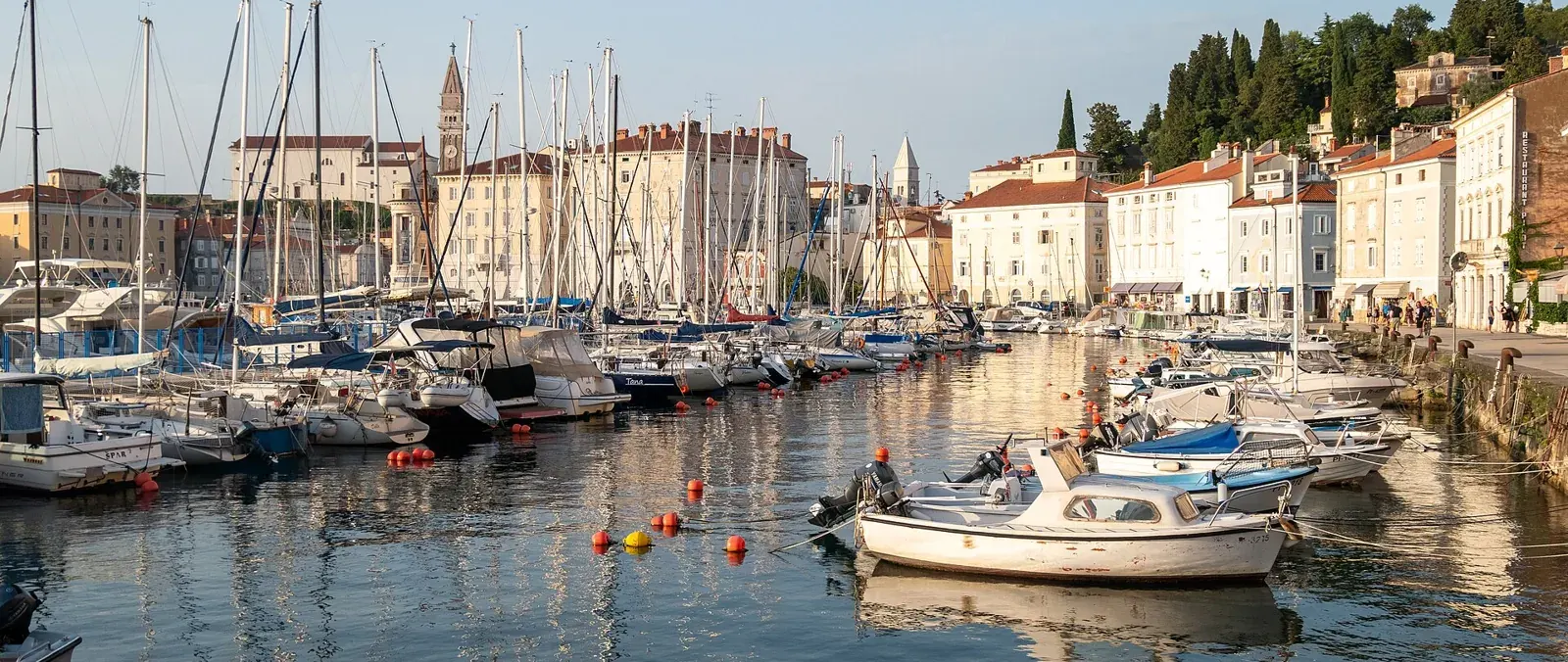
Piran grew under strong Venetian influence, and its narrow streets descend towards the sea from a town dominated by historic walls and a hilltop church. Slovenia’s tourism information presents the town as a protected cultural and historical monument, with architecture that rewards slow exploration. Tartini Square provides a memorable focal point, but the town’s smaller lanes and sea-facing edges make the better walk. It is easy to take a photograph and leave. More satisfying is to notice how buildings, public spaces and harbour life share limited land between the hillside and water. A local guide can add context for visitors interested in history; others may prefer to wander, stopping for coffee before the town becomes busy with the day’s visitors.
How salt shaped the waterfront
The story of Piran is inseparable from its salt pans. The national tourism organisation traces their origins to the early medieval period and identifies surviving landscapes around Sečovlje and Strunjan. Traditional salt production helped the town prosper, and the subject remains visible through museums, guided visits and local products. A yacht itinerary that includes a salt-pan excursion gains a dimension beyond scenic coastal cruising. Guests can learn why this commodity mattered to a port economy and how the landscape was managed over many generations. When visiting protected areas, follow official paths, guidance and seasonal restrictions. The most appealing experience may be a quiet walk and a carefully explained demonstration rather than a hurried series of photographs.
Nature needs room in the programme
The protected landscapes around the salt pans offer a gentler counterpoint to the marina. Strunjan is known for its natural shoreline and cliffs, while Sečovlje preserves an environment closely tied to traditional salt making. Such places can be more delicate than they appear from a yacht’s deck. Treat them as destinations for organised or properly guided visits rather than improvising access by tender at any convenient stretch of coast. Local guidance can also help visitors understand where walking, cycling or other activities are appropriate. Families may find a half-day visit enough, leaving the remainder of the afternoon for swimming or relaxing at the boat. The holiday becomes richer when nature is given the same attention as the region’s restaurants.
The pleasures of a compact coastline
Short distances can be an important advantage when travelling with people who have different levels of energy. One guest may want a long cultural walk; another might prefer a café and a leisurely view of the water. Rather than moving the boat repeatedly, Portorož makes it possible to divide the day in useful ways. The crew can take care of stores and maintenance while guests explore ashore, provided arrangements remain safe and convenient. If the weather turns unsettled, shore visits may still give the day structure. The point is not to avoid sailing altogether, but to recognise that a luxury-yacht holiday does not have to consist of a new anchorage every evening to feel rewarding.
Practical lessons from the berth directory
A marina’s capacity headline should always be read alongside the details. Portorož’s website differentiates wet berths, dry berths and winter storage; it also lists separate dimensions and conditions for each. The difference matters for owners arranging a seasonal stay or winter work. A boat that fits a summer sea berth may not be eligible for a dry-storage position of the same nominal length. Draft and lift weight are separate constraints, and seasonal service schedules can alter the practical plan. Ask for a written quote that identifies the exact service, charging basis and expected dates. Where a published price table appears straightforward, check which additional electricity, water, handling or administrative costs apply before treating it as an all-in figure.
A coast to taste, not rush
Slovenian Istria’s cuisine adds another reason to stay overnight. The tourism authority links the area with salt, olive oil, wine and Mediterranean food traditions. These are more compelling as local experiences than as an elaborate restaurant performance arranged solely for a photograph. Choose a relaxed lunch in Piran or a more formal dinner near the marina depending on the party’s interests and the following day’s departure plan. It is sensible to reserve in advance during busy periods and confirm the means of returning to the yacht. A small wine tasting can be an excellent shore excursion, but yacht crews and anyone returning to operational duties should retain the professional standards that safe vessel management requires.
What to ask before crossing a border
The Slovenian coast sits close to Italy and Croatia, a geographic advantage that also makes legal arrival arrangements important. An owner should not assume that a short passage between neighbouring ports removes the need to check national entry, customs, immigration or vessel-reporting requirements. The procedures can depend on flag, crew and passenger status, journey history and current rules. Consult the appropriate maritime and government authorities before departure, then verify the designated place and timing of any formalities. The marina can advise on practical arrivals, but it is not a substitute for the competent border authority. A well-organised first landfall leaves everyone free to enjoy the destination without avoidable administrative difficulty.
An overnight that becomes a longer stay
Piran and Portorož can work as a single comfortable night, but a two- or three-night visit creates better opportunities. Arrive and settle at the marina on day one; devote the following day to Piran’s old town, Tartini Square and a long meal. A third day might focus on the salt pans or a nearby coastal walking route, depending on weather and guest interests. If a passage is planned afterwards, retain time for weather review and yacht preparation before leaving. This is an itinerary concept, not a substitute for current navigational charts and local notices. Its benefit is simple: each day has a distinct identity without asking the yacht or its guests to perform an unnecessarily long schedule.
How to enjoy the water responsibly
The attraction of a small coastline should encourage considerate boat use. Follow local speed and harbour regulations, use approved waste facilities and verify anchor restrictions before stopping outside a marina. In sensitive coastal waters, the choice of anchor position and tender landing can affect habitats and other users. A yacht owner who keeps a careful lookout and minimises disturbance contributes to the qualities that make the region appealing. On shore, the same principle applies to historic streets and protected salt-pan landscapes. The best luxury travel is not conspicuous consumption of a place; it is the ability to visit comfortably while leaving its character and working life intact.
A different measure of Adriatic luxury
Slovenian Istria is unlikely to appeal to guests who equate every excellent yacht destination with a large resort or a famous beach club. Its strength is more understated: a capable marina, a town of genuine historic texture and a productive landscape whose story can still be understood. For owners and charter guests of midsize luxury yachts, Portorož and Piran offer an appealing blend of practical security and memorable cultural excursions. Verify berthing, arrival rules and current forecasts, then give the place time. The Adriatic becomes richer when the itinerary includes not only beautiful water but also the reasons people have lived and worked beside it for centuries.
Photograph: marina waterfront in Piran, Slovenia (not Marina Portorož), by Dimitry Anikin (2021), Wikimedia Commons, CC BY 2.0; resized and converted to WebP.