Marrakech resort receives Green Key recognition
Four Seasons Resort Marrakech has announced receiving Green Key certification, drawing attention to environmental management within an established luxury property in one of Morocco's most distinctive cities. The company's 2026 release describes a sixteen-hectare landscaped setting, efforts to use water more efficiently, reduced single-use plastics, careful waste handling and relationships with local producers and craftspeople. The recognition is a relevant hospitality milestone, but it does not mean the resort has no environmental impact or that every operational claim has been independently examined in this article. For travellers, the deeper question is whether a luxury retreat can preserve the atmosphere of an oasis while addressing the resources that such an environment requires.
An oasis is an appealing but demanding setting
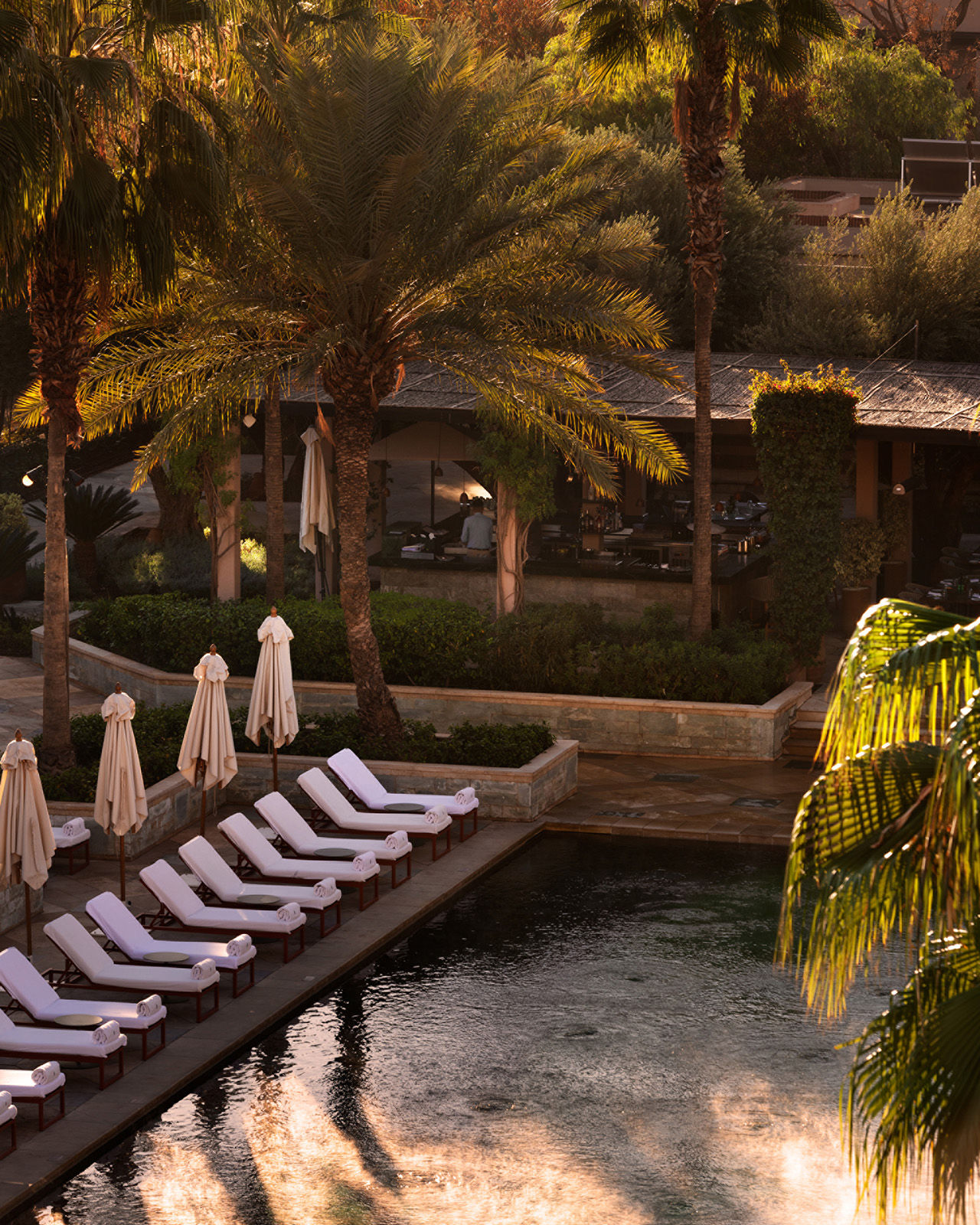
Green space in Marrakech has considerable emotional appeal because it offers shade and visual relief from the city's lively streets and warm climate. Maintaining gardens, pools and guest facilities also requires management of water, energy and materials. The property's description of its grounds as a green oasis should therefore invite practical questions, not simply admiration. How is irrigation controlled, what plants are selected and how does the hotel respond to dry conditions? Those choices affect the setting over years. A luxurious landscape can be managed responsibly, but the result depends on consistent operations rather than the impression created by one photograph of flowering trees.
Water efficiency is more than a display of technology
The release identifies optimised water use and intelligent irrigation among the property's measures. Such systems can help managers avoid watering at unsuitable times and target the needs of different planted areas. Yet irrigation performance depends on soil, weather, leaks and the training of those operating the system. A technically sophisticated controller will not deliver savings if it is poorly maintained or set to unrealistic targets. Guests interested in water stewardship can ask whether the resort measures consumption and reports progress over time. The green appearance of a garden is not by itself evidence of efficient water management, especially in a region where water resources deserve careful attention.
Landscaping can support biodiversity
A garden used primarily for visual effect may differ considerably from one managed with local biodiversity in mind. Planting choices affect shade, food sources for insects and birds, and the amount of water needed to keep the setting attractive. Four Seasons describes a commitment to preserving its oasis and the surrounding ecosystem, but the public release does not provide a complete species inventory or independently measured biodiversity outcomes. Travellers can appreciate the landscape while asking how native and adapted plants are incorporated. The most meaningful environmental approach considers ecological relationships and long-term maintenance rather than equating any expanse of greenery with sustainability.
Local sourcing gives food a sense of place
The resort highlights herbs from its gardens and produce sourced through cooperatives in the Al Haouz area. This can connect dining to Moroccan agricultural traditions and reduce the distance between guests and the people who produce ingredients. The quality of such relationships depends on consistent purchasing, appropriate pricing and clear standards rather than occasional promotional events. A visitor may enjoy learning why particular herbs appear in local cooking and how they are used across savoury and sweet preparations. The official statement supports the existence of the hotel's sourcing programme, but it does not establish that every ingredient in every dish comes from a nearby farm.
Moroccan craft has value beyond decoration
Marrakech is associated with strong traditions of textiles, metalwork, ceramics and architectural ornament. The resort's release refers to continued support for local artisans, whose work contributes to the property's character. A hotel can provide a useful platform for craft when it credits makers and maintains meaningful commercial relationships. Yet a display of traditional objects should not be mistaken for evidence that all artisans are fairly compensated or that a particular object was produced locally. Guests interested in craftsmanship can ask about origin, materials and the maker's story. The best encounter gives the practitioner an identity rather than reducing their work to a decorative sign of exotic luxury.
Green Key is a framework, not a perfect score
Green Key is an international environmental certification programme for tourism businesses, with criteria related to management and improvement. Receiving the label indicates participation and recognition under its applicable framework, but it does not turn every aspect of a property's environmental performance into an undisputed fact. Certifications differ in scope, data collection and the way criteria are checked. A traveller comparing properties should read the label alongside other evidence, including published consumption figures and local environmental context. It is reasonable to value the achievement while acknowledging that hospitality remains resource-intensive and continuous improvement is more important than one certificate.
Reusable materials and single-use plastic reduction
The company cites elimination of certain single-use plastic items as part of its work. Hospitality businesses have multiple sources of disposable packaging, from bathroom amenities to kitchens and deliveries. Replacing one visible item is not sufficient if procurement practices continue to generate unnecessary waste elsewhere. A responsible programme should consider how materials arrive, how they are cleaned or reused and what happens when they reach the end of their useful life. Guests may notice refillable dispensers or changes to the way amenities are presented, but the more significant work can take place behind the scenes. Clear staff procedures make it possible to sustain those changes without compromising hygiene.
Waste management begins with separation
A hotel produces food waste, packaging, textiles and materials from routine maintenance. Sorting these streams can make reuse or recycling more practical, although the quality of local waste infrastructure ultimately affects the outcome. Four Seasons' release refers to rigorous waste management but does not publish a complete independently verified recycling rate. Guests should be cautious about broad claims of zero waste unless clear evidence is available. A more useful question is whether the property measures waste, trains staff and works with credible local partners. Small operational improvements repeated every day can matter more than a highly visible but isolated sustainability campaign.
Training brings environmental policy into ordinary service
A sustainability document has little effect unless staff understand how it relates to their daily work. The resort mentions ongoing environmental training, an important element because housekeepers, gardeners, cooks and purchasing teams encounter different opportunities to reduce waste or use resources carefully. A gardener needs practical irrigation guidance; kitchen staff need food-handling and separation procedures; front-of-house colleagues need accurate information when guests ask questions. Training should therefore be relevant to the role rather than a generic presentation. The value to guests is subtle: responsible choices can become part of normal service without requiring visitors to negotiate every detail.
Guest comfort and resource use need balance
High-end travellers may expect fresh towels, carefully maintained gardens and comfortable indoor temperatures. Environmental responsibility sometimes requires rethinking how those services are delivered rather than simply withdrawing them. A well-planned system can provide a high standard of comfort while avoiding unnecessary consumption, but there will be trade-offs. Guests should be told clearly when an option is available, such as changing linen less frequently, and be free to communicate genuine needs. The resort's announcement frames responsible operations as compatible with hospitality. Whether that ambition succeeds is demonstrated through daily experience and measured outcomes, not just through reassuring language.
The city's wider cultural experience remains central
A resort oasis is only one part of a visit to Marrakech. Travellers may also want to explore markets, museums, gardens and the work of local artisans beyond the hotel gates. This can enrich their understanding of the place and prevent luxury travel from becoming detached from its cultural setting. Visits should be conducted with respect for businesses and residents, particularly when photographing people or entering working spaces. A reliable local guide can help visitors learn about materials and craft without pressuring them to buy. The resort's environmental recognition may encourage more thoughtful travel, but the destination's identity cannot be reduced to a hotel certificate.
Planning a meaningful visit
Guests interested in the resort's environmental approach can ask which garden or culinary experiences are available during their stay and whether staff can explain the sourcing or conservation work. A quiet morning walk may provide more opportunity for observation than a crowded tour. Families can use the setting to introduce children to water stewardship and food production, without turning the holiday into an obligation to attend structured lessons. The programme should suit the party's interests. No specific guest tour or detailed reservation package is guaranteed by the general certification announcement, so availability should be checked rather than inferred.
What the official announcement confirms
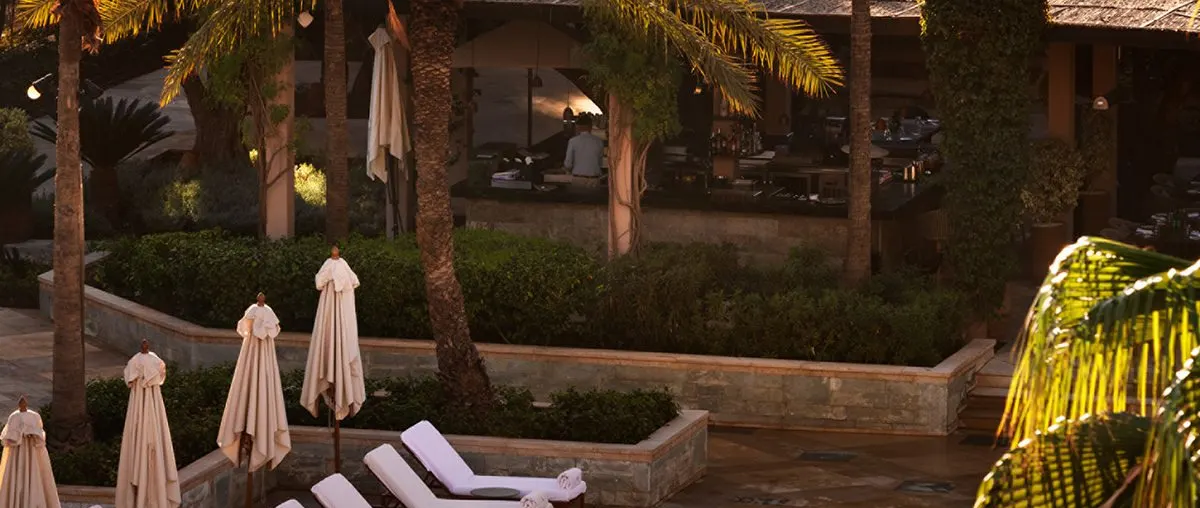
The first-party release establishes the Green Key certification and provides the resort's descriptions of irrigation, local sourcing, waste measures, staff training and artisan relationships. It does not constitute independent verification of every environmental outcome, publish comprehensive water-use data or compare the property's footprint with every competing hotel in Morocco. The photograph is official resort media credited to Four Seasons. Readers should distinguish the company's stated initiatives from this article's wider discussion of responsible hospitality. That approach allows the certification to be reported accurately while encouraging thoughtful questions about what the measures achieve.
An evolving definition of high-end travel
Marrakech offers visitors an encounter with architecture, gardens, food and craft traditions that cannot be reproduced by a standard international resort template. The Four Seasons recognition suggests that the property is trying to incorporate resource management into the way it maintains that environment. For luxury-yacht owners accustomed to thinking about water, provisions and waste aboard, the operational questions may feel familiar. Real luxury need not imply unlimited resource use; it can also mean understanding the value of a place and taking reasonable care to preserve it. The most convincing result would be a guest experience that remains beautiful and welcoming while making its environmental choices transparent and measurable over time.
Sources and image credits
Reporting based on Four Seasons Resort Marrakech Strengthens Its Commitment to Responsible Hospitality.
Lead photograph: Marrakech Green Key Milestone Adds Responsibility to Hospitality — official Four Seasons first-party press photograph. © Four Seasons Hotels and Resorts, original property press photograph Original official image source.