A second EarthCheck Silver award for The Nam Hai
Four Seasons Resort The Nam Hai, near Hoi An on Vietnam's central coast, has reported receiving EarthCheck Silver certification for a second consecutive year. The property's official account describes an environmental programme spanning gardens, food waste, supplier packaging, community education and cultural preservation. This is a first-party report of a certification milestone rather than an independent audit reproduced in this article, and its environmental figures should be understood as company-disclosed data. The significance for luxury travellers lies in the attempt to connect daily hospitality operations with the landscape and communities that make the destination attractive in the first place.
The setting shapes the resort's responsibility
The Nam Hai stands along Ha My Beach near the historic town of Hoi An. Such a location brings obvious benefits to guests: coastal scenery, access to regional culture and the possibility of an unhurried stay. It also creates responsibilities involving waste, water, energy and the effects of tourism on local communities. A resort cannot measure its contribution to sustainability solely through attractive landscaping or a few reusable containers. Owners and guests interested in responsible travel should examine whether environmental management is organised, monitored and improved over time. A repeated certification is relevant evidence of a structured process, but it is not a promise of zero environmental impact.
Gardens as part of the hospitality system
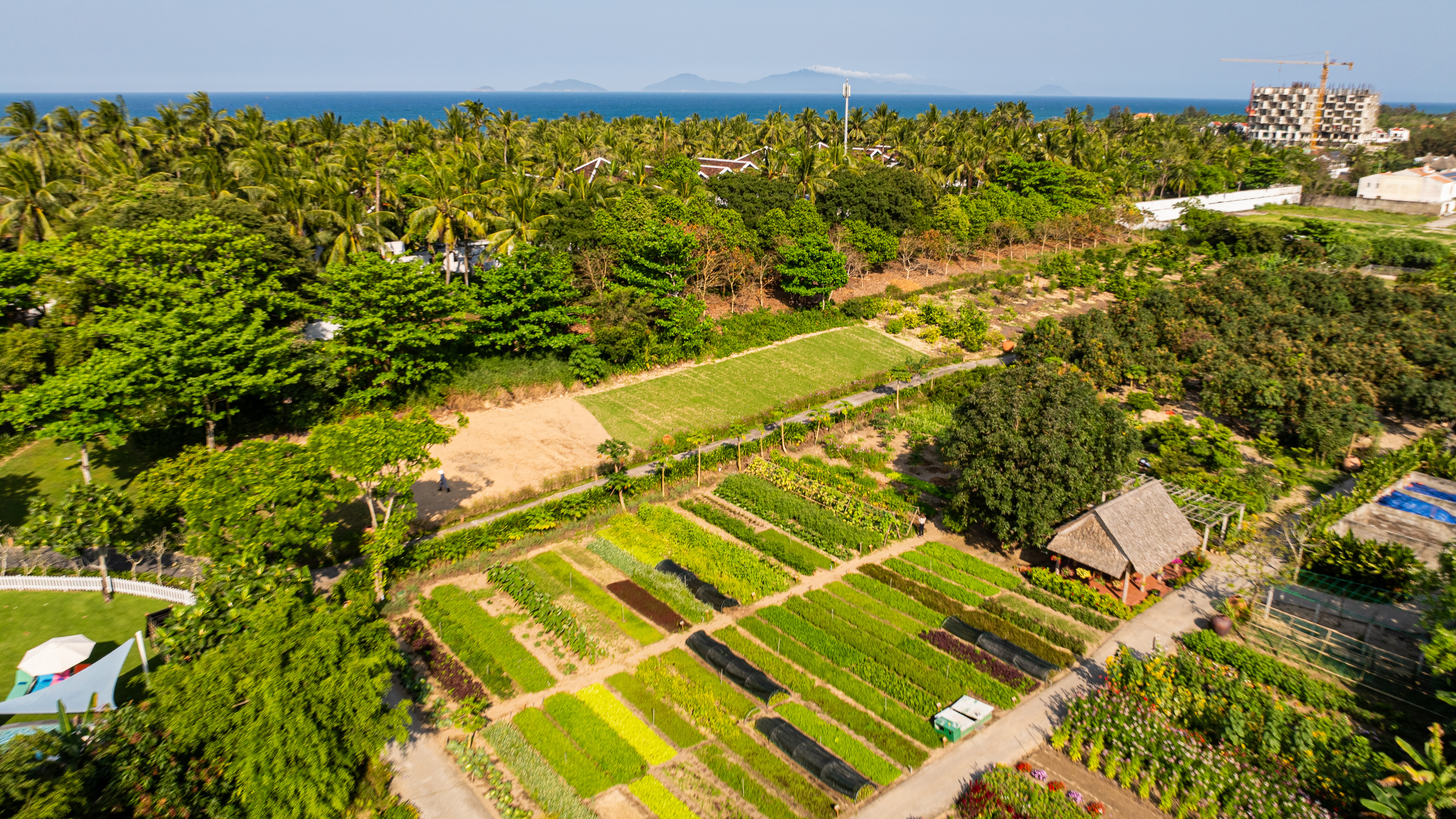
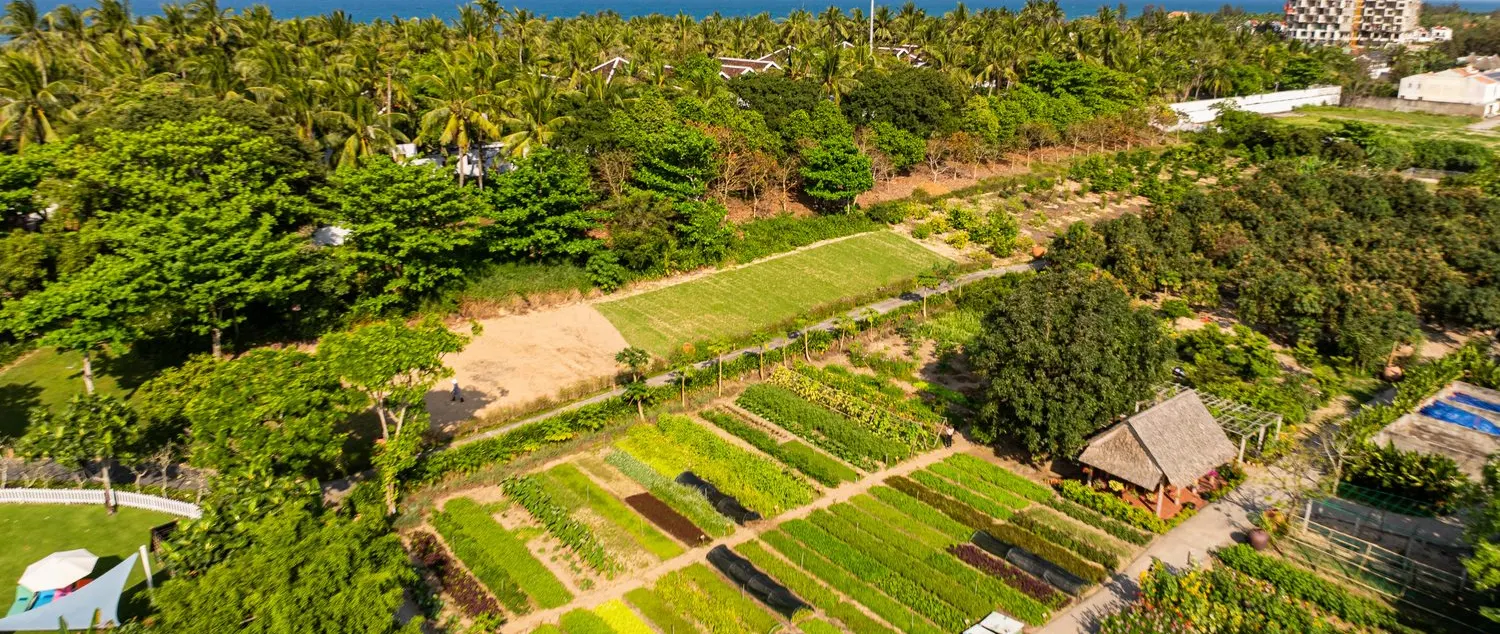
The resort says a small herb plot developed into a larger productive garden supplying fruits, vegetables, herbs and edible flowers for its restaurants, bars and spa. Its list includes ingredients such as butterfly pea, papaya, dragon fruit and jackfruit. A guest encountering these foods at the table can gain a tangible sense of the region rather than consuming an entirely imported luxury-hotel menu. The garden is also an operational resource that requires careful cultivation, soil management and appropriate food-safety procedures. It would be misleading to claim that every ingredient served at the resort is grown on site. The more interesting story is how the garden informs purchasing and cuisine.
What regenerative gardening means in practice
The company's announcement cites crop rotation, native planting, seasonal cultivation and biological approaches to pest management. These are practical methods for improving soil and reducing some dependencies when applied appropriately. Their success varies with climate, crop choice and the long-term condition of the land. For travellers, the opportunity to observe such work can be more educational than seeing an immaculate decorative border. Guests can ask which varieties are grown locally and how crops are used in the kitchen. A garden tour can make a meal more meaningful without requiring the visitor to accept every broad environmental claim uncritically.
Landscaped grounds and biodiversity
The Nam Hai describes almost eighty percent of its thirty-five-hectare grounds as gardens and green space. The existence of substantial vegetation is potentially valuable for shade and wildlife, but biodiversity cannot be assessed from area alone. The species planted, connectivity of habitats, chemical use and management of water all matter. The resort refers to ecological corridors and habitats for beneficial species, suggesting that it is trying to consider the grounds as a living system rather than a decorative backdrop. An owner seeking to understand a property's environmental approach can ask what is monitored and what changes have resulted from the work. An attractive garden is the starting point, not the complete answer.
The Orchid House links supply and aesthetics
One detail in the release is the resort's Orchid House, which produces blooms used in floral displays around the property. Growing flowers on site can potentially reduce reliance on some externally sourced arrangements, although the actual saving depends on production inputs, transport and the quantity used. The visual result matters to luxury hospitality because flowers help define the atmosphere of bedrooms, dining areas and public spaces. Bringing cultivation closer to the guest experience also makes design choices more visible. A visitor may enjoy learning why particular plants thrive in this climate rather than assuming the floral displays are simply decorative objects delivered from elsewhere.
Kitchen waste can return to the soil
The company describes composting that brings together food scraps, coconut husks and garden waste, producing material returned to cultivated areas. It reports processing more than a thousand tonnes of organic material annually through the programme, a significant company-stated figure that should not be confused with an independently validated number in this article. Effective composting requires segregation and management to avoid contamination and nuisance. The principle is important: waste from hospitality can be treated as a material stream with a possible second use rather than an inevitable disposal burden. The quality of the outcome rests on operations as much as the existence of compost bins.
Packaging and supplier relationships
The resort says it works with suppliers to reduce disposable packaging and use reusable containers where practical. That issue can be less visible to guests than a garden, but it affects the amount of material arriving through kitchens and storerooms every day. A large hotel can influence suppliers by setting consistent procurement expectations, although smaller businesses may need time and support to adapt. A sustainability programme should not simply transfer cost or waste elsewhere in the chain. Visitors can ask how suppliers participate and whether the property tracks material reductions. Luxury service is compatible with careful logistics, but success depends on repeated operational decisions that rarely appear in promotional photographs.
Education makes the programme accessible to guests
The resort references garden walks, planting activities, cooking sessions and a Young Guardians of the Earth programme. These allow guests, including younger travellers, to encounter practical environmental questions in a setting designed for relaxation. An educational activity need not become a lecture; it can begin with harvesting a herb, understanding compost or noticing how a particular flower attracts insects. Families may appreciate something tangible to do together beyond a pool or beach. Programmes should still be appropriate to guests' ages and interests, and the information presented should be clear about what the resort does versus what remains a wider environmental challenge.
Local educational support matters beyond resort boundaries
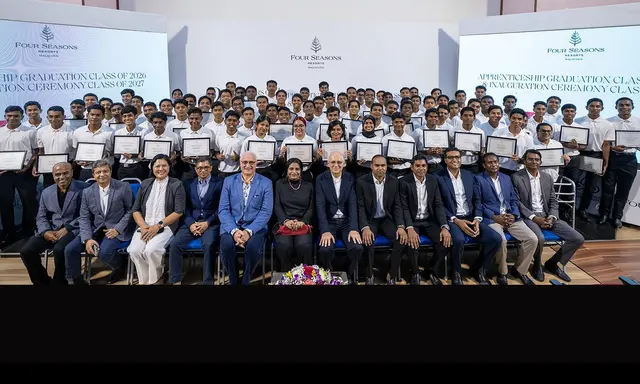
The Nam Hai also reports scholarship programmes and fundraising activities supporting students in the surrounding region. Such initiatives can strengthen a hospitality business's connection to its neighbours, but their value should be considered through outcomes rather than publicity. A large cheque or a photograph of an event does not by itself establish how many students completed training or what opportunities followed. Responsible guests can appreciate the company's participation while asking about continuity, partnership and the role of local organisations. A resort's reputation benefits most when initiatives are designed with the communities they aim to support, rather than around what seems impressive to visiting travellers.
Cultural preservation as more than a guest activity
Hoi An and its surrounding countryside have strong traditions of craft, agriculture and food. The resort references experiences involving lantern making, conical-hat embroidery and wet-rice farming, along with journeys through local craft and culinary settings. These can help visitors understand the skills and labour behind objects and practices they might otherwise see only as picturesque. The quality of such activities depends on the involvement and fair treatment of local practitioners. Guests should approach cultural encounters with curiosity and respect rather than treating them as performances staged solely for outsiders. An effective programme gives space for the makers' own knowledge and perspective.
Food connects environment and culture
A garden-to-table meal can illustrate the relationship between agricultural choices, culinary tradition and the season in which someone visits. It also raises practical questions about how much produce a resort can grow itself and how the rest is sourced. Local ingredients are not inherently more sustainable in every circumstance, but they can support regional producers and allow menus to respond to seasonal availability. Chefs who know the origin of their materials may be better placed to tell meaningful stories through food. The Nam Hai's reported approach invites that discussion, while guests should avoid assuming that every dish uses entirely local ingredients unless the kitchen confirms it.
What certification can and cannot tell a traveller
EarthCheck certification is relevant because it signals assessment under a defined programme, but a guest should not infer that a certified property has no emissions, waste or other impacts. It is also not a direct comparison of the overall ecological footprint of every resort in Vietnam. Different destinations, infrastructure and property sizes create different challenges. The most useful approach is to read the award alongside disclosed operational measures and continued progress. Repeat recognition may indicate sustained attention, but the questions of water use, energy supply, biodiversity and community benefit require ongoing scrutiny. A traveller can value the achievement without treating it as an endpoint.
A coastal itinerary should include the wider region
The resort's proximity to Hoi An creates opportunities for cultural exploration beyond its grounds. Guests may enjoy architecture, markets, crafts and the countryside, provided visits are planned with sensitivity to local conditions and residents. A luxury-yacht owner arriving by another route may need to arrange transfers and should not assume that a beachfront property includes berthing for visiting private vessels. The hotel and the destination serve different but complementary roles. Travellers benefit from asking about responsible local operators, transport options and appropriate times to visit popular sites. A quieter, more informed itinerary can produce a richer experience than a rapid series of photographic stops.
Evidence, attribution and practical significance
The official source provides the reported second EarthCheck Silver recognition and describes the garden, composting, packaging, educational and cultural initiatives. It is not an independent technical audit in this article, and the company figures have not been replicated through access to underlying operating data. The original press photo documents the property's setting or operations and should receive first-party attribution. For high-end travellers and yacht owners, the most useful lesson is that responsible hospitality is shaped by thousands of less-visible decisions: where food comes from, how waste is handled, what staff are trained to do and how a property relates to its community. Those choices merit attention beyond the visual appeal of the coast.
Sources and image credits
Reporting based on From Garden to Guest: Four Seasons Resort The Nam Hai Earns Second Consecutive EarthCheck Silver Certification.
Lead photograph: Hoi An's Nam Hai Links Resort Hospitality With Local Ecology — official Four Seasons first-party press photograph. © Four Seasons Hotels and Resorts, original property press photograph Original official image source.