A private wellness membership in Lower Manhattan
Four Seasons Hotel New York Downtown has introduced Club 27, a membership programme intended to give local residents and frequent visitors access to its spa and fitness facilities in Tribeca. The hotel's official 2026 announcement describes several membership levels, starting at USD 795 a month, with benefits involving the indoor heated pool, gym, heat facilities and selected spa services. A higher Permanent Membership tier is described as invitation-only. The development reflects the changing role of premium hotels in city life: they increasingly seek relationships with people who may use their facilities regularly without necessarily booking a bedroom. The value of membership depends on actual access, conditions and personal routines rather than the exclusivity of the label alone.
Membership changes how a hotel facility is used
A guest staying two nights may use a pool or fitness centre opportunistically, while a member needs reliable access as part of ordinary life. That creates different expectations around opening hours, equipment availability and crowding. Club 27 is promoted as a place for consistent wellbeing routines rather than a one-off treatment. Whether it serves that purpose will depend on how the hotel balances resident, overnight guest and membership demand. A prospective member should ask whether reservations are required for popular facilities and whether access can be restricted at busy times. The most impressive pool is of limited value if it is rarely available when someone actually wishes to swim.
A seventy-five-foot pool as an everyday resource
The hotel describes a seventy-five-foot indoor heated lap pool, one of the programme's main attractions. For people who enjoy swimming, a consistent water facility can be valuable throughout New York's changing seasons. But a pool's length does not establish the number of lanes, the water temperature at every hour or whether dedicated fitness swimming always takes priority over leisure use. Members should ask about the normal operating rules and whether the pool is shared with families or hotel guests. A dependable swimming routine is influenced by practical details such as changing facilities, shower access and the ease of reaching the pool from work or home.
Fitness, sauna and relaxation in one location
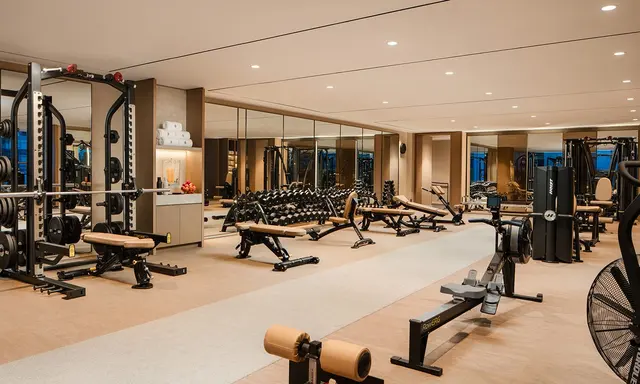
The membership also advertises access to a renovated gym with Technogym equipment, an infrared sauna, steam facilities and a relaxation terrace. Combining these spaces can make it easier for members to choose between different activities according to their circumstances. The convenience is not a medical claim: an infrared sauna or steam room is not suitable for every person, and the presence of premium equipment does not guarantee improved health. Members should follow the property's safety advice and consult a clinician where relevant. The practical appeal lies in having a manageable set of options, with clear service and maintenance standards, in an accessible downtown location.
The tiers need close examination
The official release refers to multiple membership levels, including an invitation-only Permanent Membership. That language implies distinctions in privileges and access, but a prospective customer should not infer that the most expensive or restricted tier is automatically best. A useful comparison starts with how often the facilities will be used and which benefits matter. A person who swims three times a week may prefer reliable pool access over additional treatments, while another may be more interested in spa appointments. A written schedule of inclusions, guest rights, booking priority, cancellation terms and price changes is essential before committing to a recurring payment.
A starting price is not the cost of every membership
The announced starting figure of USD 795 per month gives an indication of positioning but should not be mistaken for the rate of every tier or a guaranteed price at the time of enquiry. Taxes, initiation arrangements and additional services may affect the overall cost. Members should also consider whether they will use the programme during travel or holiday periods when they are away from New York. A twelve-month commitment can be less attractive if a person spends much of the year aboard a yacht or travelling internationally. A thoughtful decision involves comparing the service with alternatives and calculating realistic usage rather than relying on the prestige of belonging.
Personal training and spa sessions need clear terms
Club 27 includes selected complimentary spa and personal training sessions, according to the release. The word complimentary can be misleading if the frequency, duration or availability of those services is not specified. Prospective members should obtain a full written explanation of how sessions are allocated, whether particular practitioners can be requested and how unused benefits are handled. Training quality depends on expertise and attention to individual needs, not just a branded appointment. Anyone with relevant health conditions should receive appropriate advice before beginning a new exercise programme. A well-managed club offers useful guidance without encouraging unrealistic expectations of rapid personal transformation.
Guest passes can change the social experience
A membership that allows guests to accompany the primary member can make a wellness facility more sociable. Friends may enjoy a swim, an afternoon on the terrace or a treatment together rather than using the space exclusively for individual exercise. But guest privileges often have restrictions involving dates, numbers and access to particular facilities. They should be checked directly. A member planning to bring visiting relatives should not assume all benefits transfer automatically. Clear rules also help preserve the experience for other members and hotel guests by reducing overcrowding. A social wellness club succeeds when it balances welcome with predictable capacity.
Tribeca as a setting for everyday wellbeing
The hotel's position in lower Manhattan is part of the programme's appeal. A local resident may be able to incorporate a swim or fitness session into a normal working day, while a frequent business visitor might value familiarity with one dependable facility. The surrounding neighbourhood also offers restaurants, galleries and city streets that can complement a longer afternoon. Yet convenience is highly individual. What feels centrally located to one member may involve an impractical journey for another. People considering a high-cost recurring membership should test the travel time at the hours they would normally visit. The routine must fit life outside the club.
A hotel-within-a-city rather than a private country club
Traditional private clubs often derive their identity from dedicated social rooms and long-standing membership communities. Club 27 appears to place greater emphasis on access to wellness facilities within an operating hotel. That distinction affects atmosphere and operational priorities. Hotel guests may come and go frequently, while members expect continuity. A successful arrangement can offer the best of both: professional hospitality standards combined with a familiar setting. But prospective members should understand how privacy works, whether there are designated member areas and how conflicts over space are resolved. A restricted tier alone cannot substitute for a well-managed daily environment.
Privacy and discretion deserve real policies
The hotel describes the programme as a discreet sanctuary, an appealing idea in a busy city. Discretion depends on practical arrangements involving personal information, photographs, staff conduct and the physical layout. A member may not wish to be photographed by other visitors while exercising, or may prefer that reservations remain confidential. The property should be able to explain its policy for recording images, sharing personal details and handling communications. These questions are especially relevant to public figures and business leaders, but they matter to all guests. A premium brand can promise an atmosphere; a trustworthy operation supports it through enforceable practices.
Wellness should be a sustainable routine
A membership may encourage a person to make time for exercise, swimming or quiet rest, but purchasing access is not the same as developing a habit. Guests often begin with enthusiasm and then find that appointments compete with work, family and travel. The most useful programme is one that offers sufficient flexibility to fit real schedules. A member should identify two or three realistic activities and try to maintain them rather than constantly book the most elaborate option. The benefit of familiarity is the reduction of friction: knowing where to go, how facilities operate and what to expect from staff can make ordinary attendance easier.
What an invitation-only tier actually signifies
The Permanent Membership is described by the hotel as reserved for a limited number of members and providing enhanced privileges. Scarcity may support service quality when capacity is carefully managed, but it is not independent evidence of a better health outcome or superior personal status. Buyers should examine the practical rights attached to the tier and any continuing financial obligations. If access is offered by invitation, the process should still be transparent about what the member receives and when terms can change. A discerning client will be interested in useful privileges rather than relying on the exclusivity of the invitation as the main justification.
The perspective of an owner who travels frequently
For a luxury-yacht owner who keeps a residence or business interests in New York, the club could provide a familiar base for fitness and relaxation between journeys. The programme may be less relevant to someone who visits only a few days each year. Unlike a yacht's own gym or spa equipment, a city membership depends on a venue's opening policies, staffing and travel time. Those differences are worth considering. A person who already maintains several residences or memberships may benefit from reviewing actual usage before adding another recurring commitment. Good service is most valuable when it is regularly experienced rather than simply available in theory.
Source facts and practical boundaries
The official Four Seasons announcement establishes the Club 27 name, Tribeca location, facility list, membership concept, starting monthly price and invitation-only Permanent tier. It does not provide a guarantee of admission, a complete contract for every level or independent proof of health benefits. The original first-party photograph illustrates the property facilities and should be credited as company media. Any guest considering membership needs current written terms, including how cancellations and bookings work. This report therefore treats Club 27 as a hospitality and lifestyle development, not a medical programme or an investment with an expected return.
A new expression of city luxury
Club 27 reflects the growing importance of repeat relationships in high-end urban hospitality. A hotel can become part of a resident's weekly routine rather than a place visited only when a traveller needs accommodation. If the facility maintains predictable access, attentive service and a peaceful atmosphere, that can be an attractive model. The membership fee and prestige of the address are only parts of the equation. What matters is whether the club helps a person use time comfortably and consistently. For discerning travellers and residents, the clearest measure of luxury may be simple: arriving, finding the space ready and leaving feeling that the visit was worthwhile.
Sources and image credits
Reporting based on Four Seasons Hotel New York Downtown Unveils Club 27, the Next Evolution of Wellness Memberships.
Lead photograph: New York Downtown Club 27 Reframes Private Wellness Membership — official Four Seasons first-party press photograph. © Four Seasons Hotels and Resorts, original property press photograph Original official image source.