Kuala Lumpur introduces a medically framed wellness lounge
Four Seasons Hotel Kuala Lumpur has announced The Longevity Lounge, a new wellbeing facility presented as combining physician-led assessment, lifestyle guidance and optional technologies within the hotel. The official release describes three programme pathways and mentions areas such as sleep, nutrition, stress management and physical activity alongside biomarker analysis, red-light devices, infrared sauna and mild hyperbaric oxygen therapy. For travellers, it is important to distinguish the verified opening of a service from claims that a particular intervention can extend life or prevent disease. The announcement provides the facility's stated approach; meaningful clinical benefits depend on the individual's health, the evidence for each procedure and careful professional oversight.
Healthspan is not a single number
The term healthspan is often used to describe years lived in relatively good health rather than merely total lifespan. It is a useful concept for thinking about healthy routines, but no commercial consultation can predict an individual's future with certainty. Age, genetics, environment and many behaviours influence health over time. The hotel's release positions its lounge around extending healthspan and supporting performance, yet those aims should not be interpreted as proven outcomes for every guest. A responsible programme begins with medical history, realistic goals and consideration of uncertainty. A traveller should be cautious of any provider that turns complex long-term health questions into a guaranteed numerical result.
Lifestyle foundations deserve attention before technology
The hotel identifies sleep, diet, movement, stress and social connection as central considerations, with Dr Iman Thalia involved in the facility's multidisciplinary approach. These everyday factors are often less visually dramatic than advanced equipment, but they can be relevant to wellbeing over long periods. The difficulty lies in turning general advice into habits compatible with a traveller's actual life. Someone spending much of the year on the move may struggle to keep consistent sleep hours or exercise routines. A useful consultation should examine those constraints rather than issue a generic plan. Personalisation is worthwhile when it supports practical decisions, not when it introduces complexity without clear benefit.
Diagnostics raise questions about actionability
The Longevity Lounge advertises biological-age analysis, metabolic profiling and other measures among its programme components. Different tests provide different information, and the clinical validity and usefulness of a metric should be considered separately. A biomarker may vary with ordinary biological conditions, while an algorithmic estimate of biological age is not a definitive measurement of future lifespan. Before paying for extensive testing, travellers should ask whether the result is appropriately validated, whether it will change recommended care and what follow-up is available. A qualified physician should interpret relevant findings in context. More data are not automatically more useful, especially when they create anxiety or lead to unnecessary interventions.
Three pathways with different levels of commitment
The resort describes Curated, Essential and Immersion series, intended to serve guests seeking different amounts of guidance and intervention. A shorter pathway may suit someone interested in reviewing daily habits, whereas a longer format may involve a broader series of assessments or therapies. The names are marketing categories, not recognised clinical classifications. Clients should request precise inclusions, duration, staff qualifications, pricing and any medical screening requirements. An extended programme may be convenient for someone staying at the property, but a brief visitor should avoid making major health decisions without appropriate continuity of care. The right length is the one that fits a genuine need.
Biomarker tracking and ongoing supervision
One advertised element is the use of remote monitoring to follow certain health markers over time. Such tracking can sometimes support clinical decision-making, but its value depends on the reliability of the devices, the conditions being monitored and the quality of interpretation. A stream of numbers can also create false confidence if it omits important context. Users should understand who receives their data, how often a clinician reviews it and what happens if a result falls outside a range. Privacy deserves particular attention. Health records are sensitive, and a premium hospitality setting should provide clear information on consent, storage, access and sharing with third parties.
The CEO Gamechanger is a programme name, not an outcome
The lounge's material includes a CEO Gamechanger programme oriented toward people concerned with energy, focus and performance. It mentions microbiome mapping, metabolic measures and heart-rate variability among its tools. That language may appeal to executives who are familiar with dashboards and optimisation, but human physiology is not a business system that can be managed through a few metrics alone. Clients should avoid treating commercial test packages as proof of superior leadership or guaranteed productivity. A careful practitioner can help an individual identify appropriate health questions, while also acknowledging what the available evidence does not support. The branding should not overwhelm the quality of the professional assessment.
Microbiome analysis needs restrained interpretation
Interest in the gut microbiome has expanded rapidly, but commercial testing varies in how results are generated and what conclusions can responsibly be drawn. Two people with different microbiome profiles may both be healthy, and the connection between a specific finding and a useful intervention is not always established. A traveller should ask what is being tested, whether methods are clinically validated for the stated purpose and whether recommendations align with accepted medical guidance. Diet changes may be reasonable for many reasons, but they should not be based on exaggerated claims about a single test. The lounge's announcement does not provide the evidence necessary to validate every proposed microbiome-based decision.
Red light, sauna and contrast sessions are not interchangeable
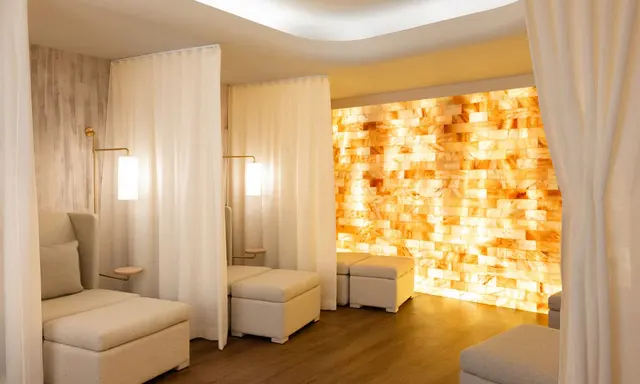
The facility lists several restorative technologies, including infrared sauna, red-light therapy and contrast-based experiences. Each has distinct physical effects, safety considerations and levels of evidence for particular uses. A person who tolerates a sauna well may not be suited to other interventions, and heat exposure can be inappropriate for some medical conditions. The presence of multiple technologies in one lounge should not encourage clients to attempt them all in a single session. Qualified staff should explain likely sensations, contraindications and the limits of claims. Guests with cardiovascular, respiratory or other concerns should consult an appropriate clinician before participating.
Mild hyperbaric oxygen requires medical clarity
The release also mentions mild hyperbaric oxygen therapy, a term that covers equipment and protocols whose evidence and regulatory status may differ from those of established medical hyperbaric treatment. Guests should not assume that a wellness device delivers clinically proven benefits for ageing or general performance. Screening, supervision and the ability to manage adverse events are important considerations. Anyone with ear, lung or other relevant medical conditions needs proper advice before exposure to pressure changes. The hotel announcement alone does not specify detailed clinical protocols or demonstrate outcome data. A safe decision requires more than the prestige of the location or the novelty of the machine.
Breathwork and movement need sensible expectations
The lounge also includes yoga, guided breathing and related body-focused sessions. These may offer travellers a structured opportunity to slow down, move comfortably and pay attention to routine habits. Yet even relatively gentle activities are not universally appropriate. Exercises should be adapted to mobility, physical condition and individual preferences, and strong breathwork techniques can be uncomfortable or unsuitable for some people. Visitors should communicate concerns to instructors and avoid pushing through symptoms. A restorative experience should not create pressure to perform. The most useful habit may be a modest, repeatable practice rather than an elaborate session that cannot be sustained after leaving the hotel.
Hotel convenience can support continuity, but only to a point
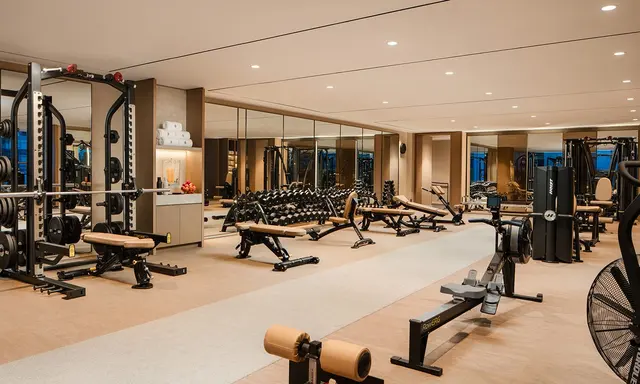
A premium hotel can make it easier to schedule consultations, exercise and rest without repeated journeys across a city. The Longevity Lounge also connects to the property spa, pool and fitness facilities, offering a range of settings under one roof. This convenience may appeal to travellers whose schedule is tightly constrained, but it does not replace long-term relationships with primary-care clinicians or specialists. Significant findings should be shared appropriately with existing care providers, with the guest's consent. A wellness programme that ends when a person checks out may have limited value unless it provides a realistic plan for continuing safe, relevant routines at home.
Price and medical responsibility should be explicit
Anyone considering a bespoke health programme should ask for a written breakdown of fees, including tests, consultations, treatments and possible follow-up visits. They should also understand who is medically responsible for each decision and whether referrals are available when a finding needs specialist care. A luxury setting can create an impression of certainty, but the ethical obligations around informed consent remain the same. A participant should be free to decline a test or intervention without being made to feel that they are compromising the entire experience. Transparent discussion of evidence, uncertainty and cost is a hallmark of responsible service.
Privacy matters especially to international travellers
Travellers attending a wellness programme outside their home country may have additional questions about medical records, test data and follow-up. Information about health can be highly sensitive, and a client's preference for discretion should not be confused with the actual legal protections in place. Guests can request the provider's privacy policy, identify where information is stored and learn how records can be accessed by their existing clinicians. They should also ask how unexpected findings are handled once they have returned home. A hotel concierge may coordinate an appointment, but medical decisions and records require appropriate professional and institutional safeguards.
The source and its limits
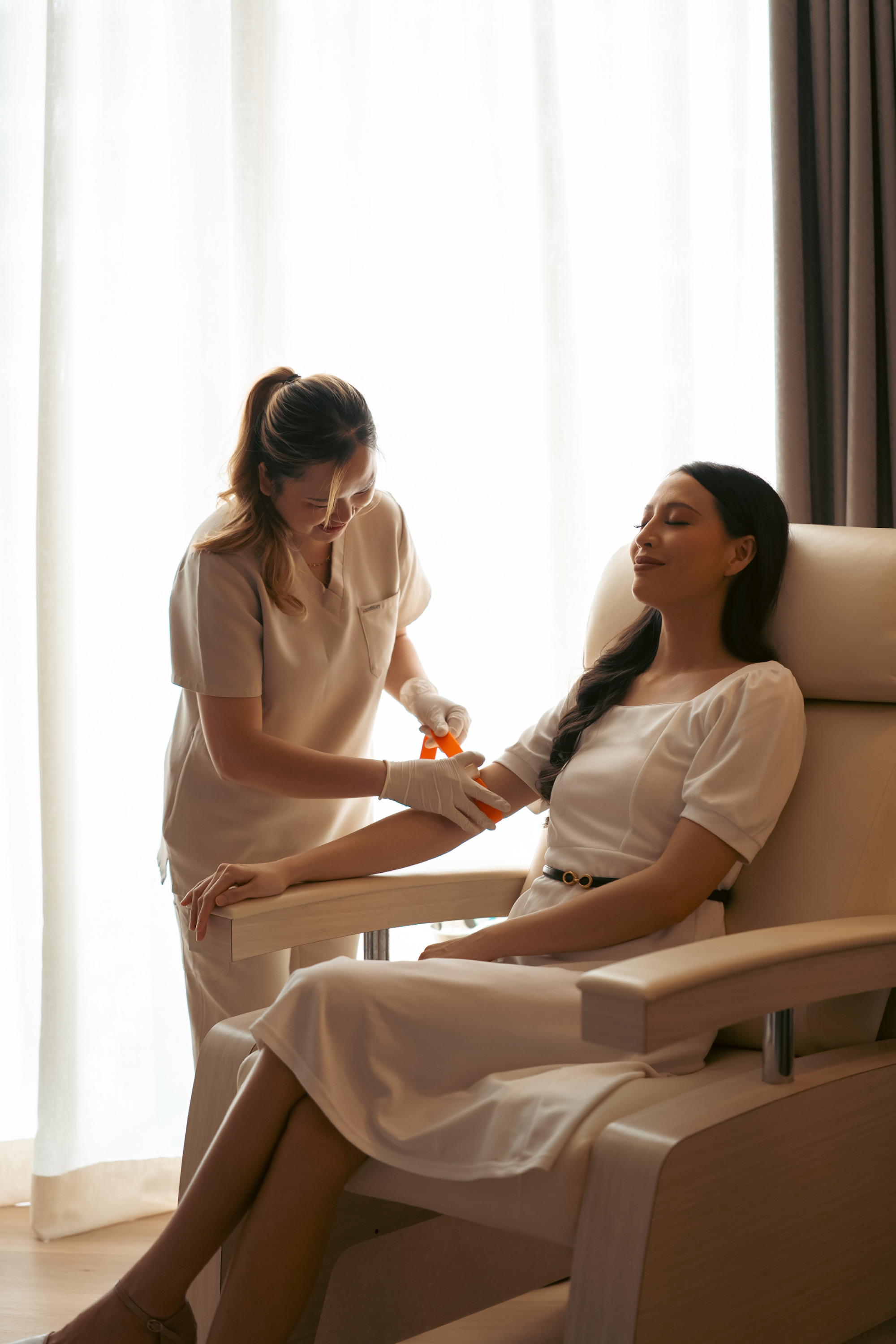
Four Seasons' official release confirms the opening of the lounge, names the advertised programme pathways and lists technologies and areas of lifestyle medicine included in the offering. It does not establish that any treatment universally extends lifespan, prevents disease or improves performance, and no such outcomes are asserted here. The first-party photograph illustrates the facility or hotel context; it is not evidence of clinical efficacy. Anyone considering participation should obtain qualified medical advice appropriate to their circumstances. For luxury travellers, the worthwhile question is whether the programme provides trustworthy, evidence-aware guidance and a safe, useful experience rather than merely an impressive array of devices.
A discerning approach to the longevity trend
The appearance of a physician-led wellness lounge within a major hotel reflects growing interest in personal health planning as part of travel. That demand creates opportunities for careful education, but also for overstatement when commercial services are promoted through the language of optimisation. The best outcome for a guest may be a clearer understanding of sleep, exercise or appropriate medical screening, not a dramatic promise of rejuvenation. Four Seasons Kuala Lumpur's new facility deserves examination as a hospitality development; its individual medical offerings should stand or fall on transparent evidence, qualified oversight and informed choice. Real luxury in this context includes the freedom to ask difficult questions.
Sources and image credits
Reporting based on Four Seasons Hotel Kuala Lumpur Unveils The Longevity Lounge, Marking a New Chapter in Bespoke Wellbeing.
Lead photograph: Kuala Lumpur's Longevity Lounge Rethinks Hotel Wellness — official Four Seasons first-party press photograph. © Four Seasons Hotels and Resorts, original property press photograph Original official image source.