Toronto makes more room for movement and training
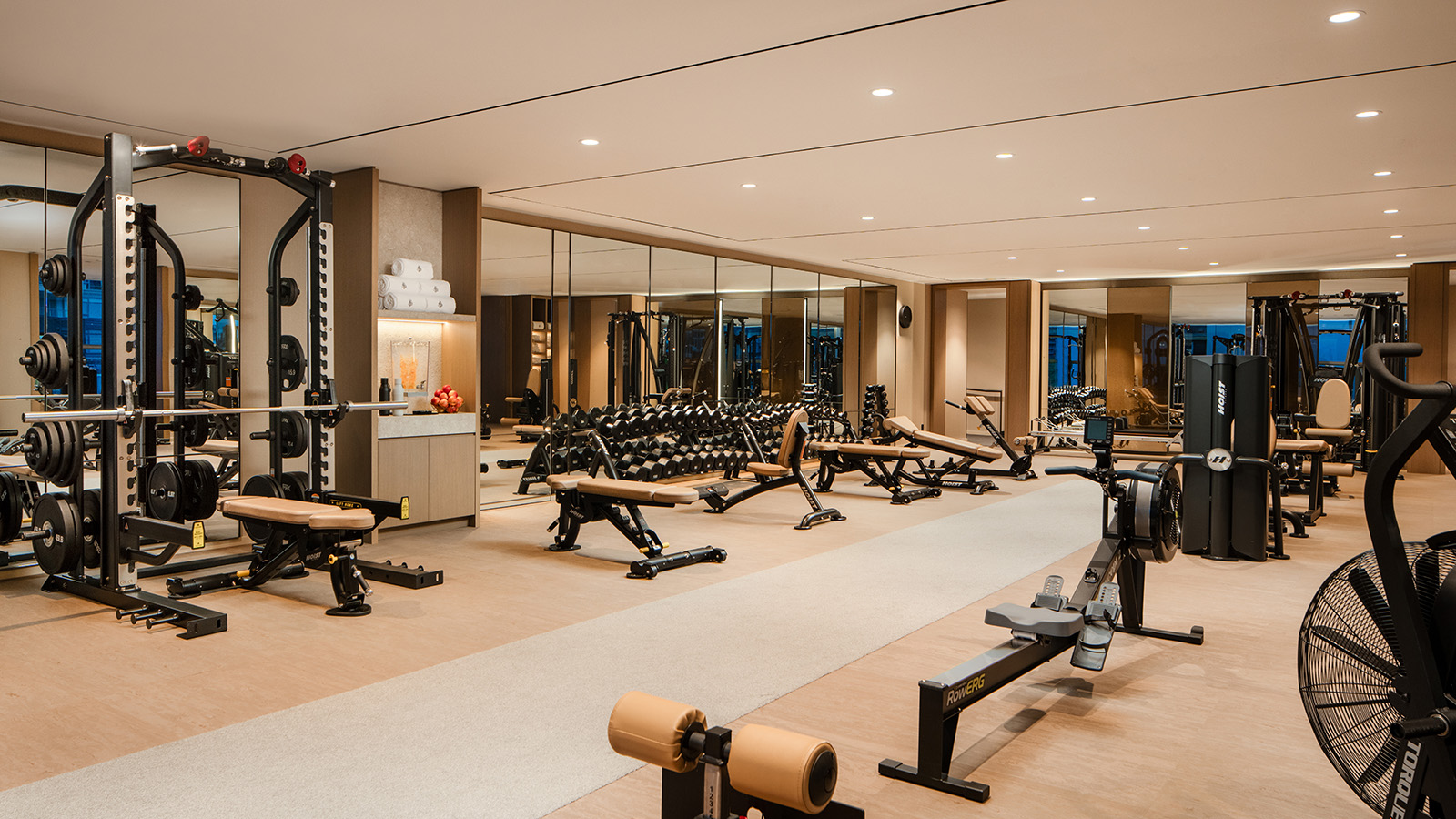
Four Seasons Hotel Toronto has introduced a redesigned fitness centre intended to accommodate a broader range of guest and resident exercise routines. The 3,500-square-foot facility occupies the eighth floor, is approximately one-third larger than the earlier arrangement and remains accessible around the clock to eligible hotel guests and private residents. The redesign brings together input from trainer Harley Pasternak and designer Simone Ferkul, with equipment for cardio, strength, functional movement and quieter individual work. The announcement is a useful example of how luxury hospitality is extending attention beyond spa treatments into facilities intended for regular, personally directed activity rather than a brief holiday indulgence.
An enlarged footprint can improve a workout without spectacle
In a hotel gym, the first challenge is often space. People need room to move safely between machines, store equipment and perform stretching without crossing another guest's exercise area. The Toronto project has enlarged the footprint and developed clearer transitions between activity zones, according to the hotel. That can be more useful than installing an impressive machine that leaves too little space around it. A well-designed gym should allow an unfamiliar visitor to understand where equipment belongs and how to move through the room. Practical layout also improves accessibility and the ability of staff to maintain a safe, tidy environment during busy periods.
Design does not have to imitate a commercial sports club
The official release describes warm woods, honed stone, layered light and a calm palette in place of a purely industrial gym atmosphere. Such materials can make a fitness facility feel like part of the hotel rather than a separate utilitarian room. Yet aesthetic restraint must not compromise function. Exercise equipment needs durable surroundings, adequate lighting and surfaces appropriate for sweat, cleaning and repeated impact. A beautiful floor that becomes slippery or difficult to maintain would be an unsuccessful choice. The value of design is to create a welcoming setting that remains reliable when used intensively. That balance matters particularly for a hotel serving both occasional guests and longer-term residents.
A collaborative brief from trainer and designer
Harley Pasternak's involvement suggests a focus on practical training needs, while Simone Ferkul's design role addresses the organisation and atmosphere of the room. These are complementary forms of expertise, although the presence of a prominent trainer does not validate every exercise or guarantee results for every user. A good fitness facility allows individual goals and capabilities to guide the choice of equipment. Travellers should not assume that a programme associated with a public figure is suitable for them without considering their own physical condition. The hotel's announcement describes the contributors and resulting facility, not an independently tested health intervention.
Cardio equipment remains a foundation
The facility includes Life Fitness cardio machines, according to the release. Treadmills, cycles and other equipment can provide continuity for travellers who want to maintain familiar routines away from home. Their usefulness depends on condition, ease of operation and availability at the times guests prefer to train. A high-end machine may offer numerous digital programmes, but a visitor often needs straightforward controls, a readable display and safe access. People should understand emergency stop arrangements and adjust intensity to their current fitness rather than attempting an ambitious session immediately after a long flight. Consistency is often more valuable than complexity.
Strength training for different levels of experience
The hotel identifies HOIST equipment, Canadian Atlantis pieces, cable systems, a wider dumbbell selection, kettlebells and varied bars among the new facilities. Such variety can help users work with different movement patterns, but it also requires intelligent layout and staff oversight. Free weights need space around them and appropriate storage, while cable systems should be inspected regularly. A novice may benefit from a simple routine and guidance, whereas an experienced traveller might want specific loads or exercise variations. The most useful gym is one where both can train without interfering with each other. Guests should ask what is available before planning a specialised programme that depends on one particular machine.
The functional turf zone changes the possibilities
The dedicated turf area is intended for sled and functional conditioning work. It provides an alternative to spending the entire workout on machines, particularly for people who enjoy movement-based exercises. But functional training can be demanding and is not automatically appropriate for every visitor. A hotel gym must consider circulation space, noise and the potential for exercise equipment to disturb adjoining areas. Clear instructions and responsible behaviour help prevent conflicts between guests with different training goals. Anyone using unfamiliar apparatus should begin conservatively or ask for assistance rather than treat a holiday session as an opportunity to attempt an untested personal record.
The private movement studio supports quieter routines
A dedicated studio for stretching, mobility, mat work and personalised sessions is one of the more adaptable parts of the plan. Not every guest wants an intense strength or cardio session. Some may prefer gentle movement after travel, while others benefit from a space that allows concentration without the activity of the main gym. The studio may also accommodate coaching, subject to the hotel's arrangements. Its presence recognises that wellbeing is not a single activity measured only by heart rate or lifted weight. Visitors can choose a routine that fits their purpose and physical needs rather than feeling obliged to participate in whichever aspect of the gym is most conspicuous.
Natural light and visibility improve the atmosphere
The announcement emphasises greater access to natural light and clear sightlines. These elements can make a fitness area feel less enclosed, particularly when guests spend much of a winter day indoors. The effect is architectural rather than a guaranteed physiological outcome. Windows should not introduce distracting glare on machine displays, and an open floor should still preserve personal space. Travellers may appreciate being able to choose a position with a view or a quieter corner according to their preferences. A refined experience depends on giving people that degree of control while keeping the space safe and understandable.
Twenty-four-hour access needs dependable operations
The gym is advertised as accessible all day to hotel guests and eligible residents, while staff are present during specified daytime and evening hours. That division is significant. Someone exercising early in the morning or late at night may not have an instructor immediately available. Clear emergency arrangements, maintained equipment and visible guidance become essential in those periods. Guests should confirm the actual access policy, especially if they are not staying overnight or wish to use a trainer. The convenience of twenty-four-hour availability is valuable, but it should not be confused with continuous staffed supervision or a promise that every facility is open without restriction.
Fitness habits while travelling
Frequent travellers often struggle with routines because time zones, unfamiliar equipment and changing schedules interrupt their ordinary habits. An adaptable hotel gym can make it easier to maintain a modest pattern of movement, whether a brief cycle ride, strength session or stretch. The key is to avoid overcompensating for missed workouts through sudden intensity. A traveller arriving from a long journey may benefit more from light movement and sleep than from an exhaustive training programme. People with medical concerns should seek appropriate professional guidance. The hotel's facility provides options; it cannot determine an individual's optimal training schedule from the fact that they are a guest.
A complement to the hotel spa
Four Seasons Toronto connects the fitness renovation with its existing spa offering, but the two support different experiences. A gym is typically a space for self-directed effort, while a spa treatment may involve receiving a service from a professional. Some guests value both, while others have little interest in one. Keeping the choices distinct allows visitors to plan according to preference. A traveller might exercise before breakfast and book a treatment after a demanding week, but there is no universal best sequence. The practical benefit of having several facilities in one property is that the guest can organise time without extensive transport or separate memberships.
Residents and short-stay guests use spaces differently
The gym is intended for both private residents and hotel guests, groups whose expectations may differ. A resident may use the facility repeatedly and value reliable access to preferred equipment, while a short-stay visitor might need clearer instructions and a quicker orientation. A successful shared environment should accommodate both without creating unnecessary hierarchy. Booking arrangements for studios, personal training or busy periods should be understandable. The property's long-term reputation depends on whether repeated users continue to find the space functional, not only on the impression made during a media tour of a new renovation.
What the release confirms
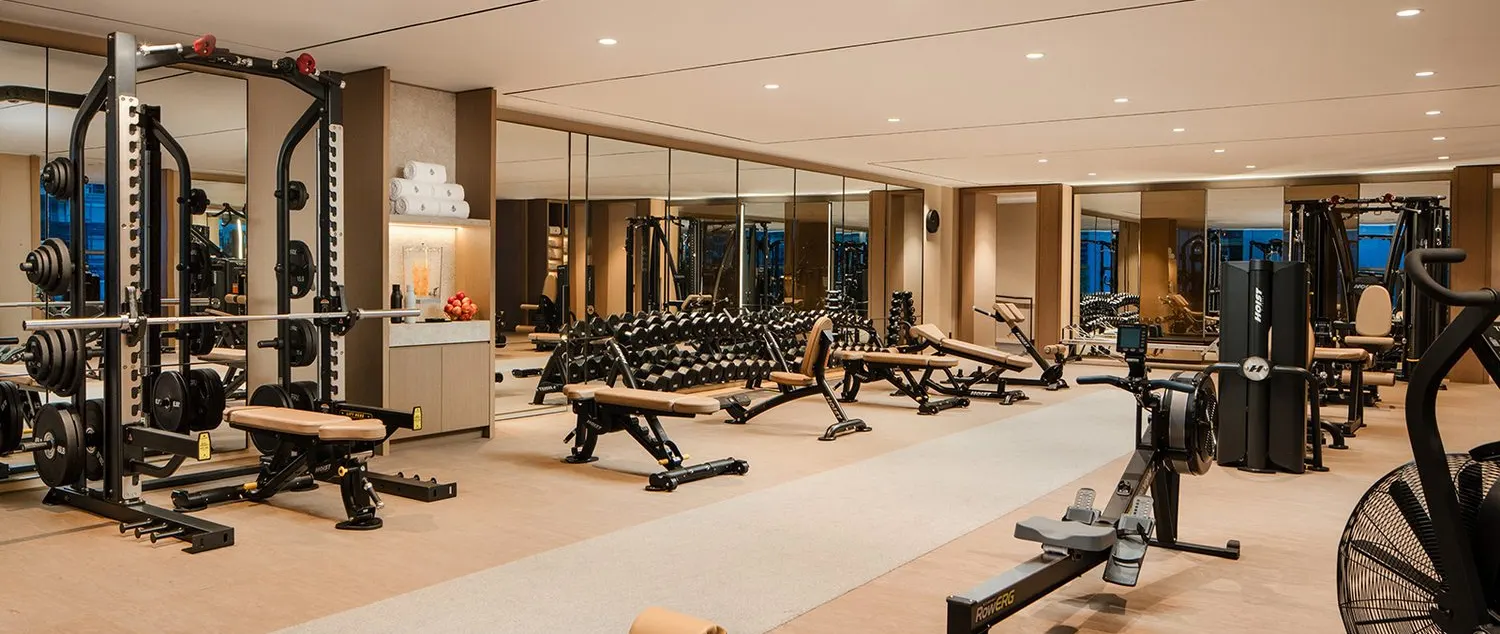
The official hotel announcement establishes the enlarged eighth-floor facility, approximate area, design contributors, named equipment brands, movement studio and access arrangements. It does not independently measure improvement in users' fitness, guarantee availability of each machine at every hour or establish that the gym is suitable for every physical condition. The first-party photograph depicts the renewed facility, and readers should not assume that every pictured detail is available in every booking category. Specific access and personal-training arrangements can be confirmed directly with the property. These boundaries allow the renovation to be evaluated on documented features rather than inflated claims.
The value of a useful rather than intimidating wellness facility
For a luxury-yacht owner travelling through Toronto or combining a city stay with other commitments, the most appealing aspect of the redesign may be ordinary reliability: clear spaces, familiar equipment, a quieter studio and a room that feels comfortable at different times of day. The project shows that sophisticated hospitality need not turn every wellbeing activity into an elaborate paid experience. Sometimes what matters is the freedom to continue a personal routine without friction. The enlarged fitness centre should be judged through that lens: does its design help people move confidently and consistently, and can the facility support varied training needs while maintaining the standard of care expected from the wider hotel?
Sources and image credits
Reporting based on Four Seasons Hotel Toronto Unveils a Newly Reimagined, State‑of‑the‑Art Fitness Centre.
Lead photograph: Toronto's Reimagined Fitness Centre Adds Urban Wellness Focus — official Four Seasons first-party press photograph. © Four Seasons Hotels and Resorts, original property press photograph Original official image source.