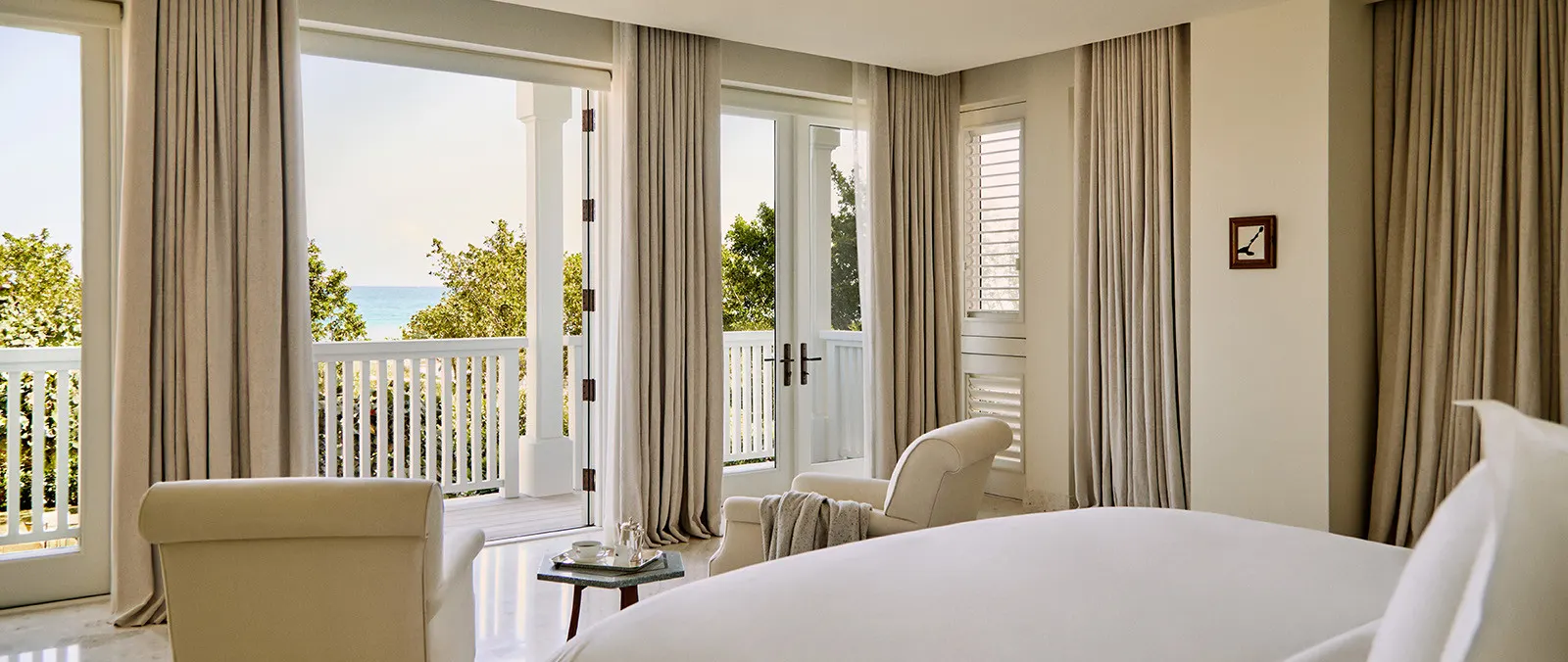
A shore residence within a historic oceanfront setting
Four Seasons Hotel at The Surf Club has introduced The Beach Villa, a four-bedroom oceanfront residence in Surfside, Florida, where the hospitality model combines the independence of a private home with services associated with a luxury hotel. The official March 2026 announcement places the property within Seaway at The Surf Club, an enclave that incorporates the restoration of a coastal building first completed in 1936. For owners and guests of 12-to-23.99-metre yachts, the idea provides a natural comparison with private cruising. A yacht offers mobility and access to changing coastlines; a beach villa provides space and privacy at a fixed address, with additional services close at hand. The attraction is not simply the number of bedrooms or a private pool, but the opportunity to make a longer stay feel less like a hotel booking and more like living beside the Atlantic.
Four bedrooms and room to gather
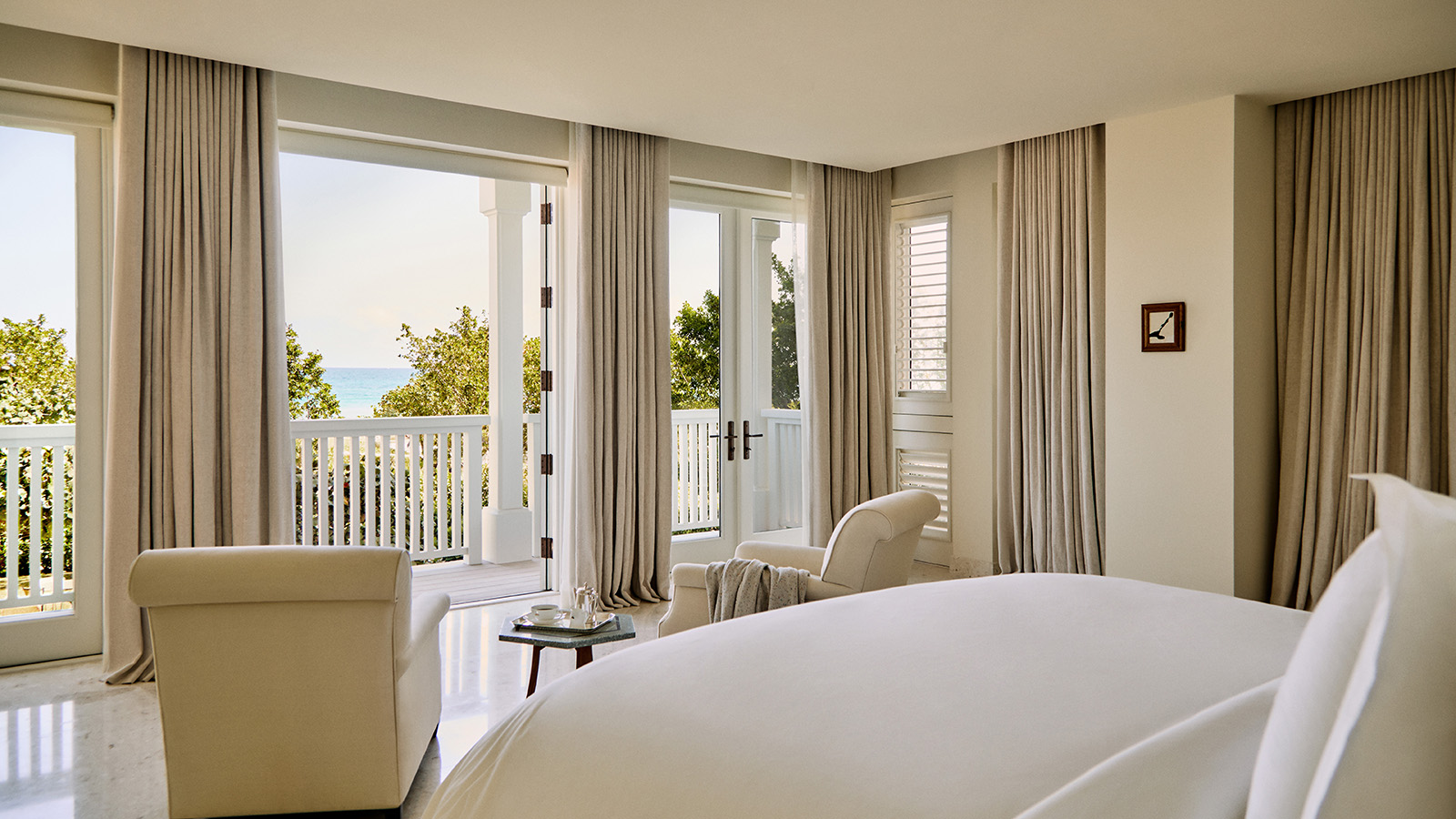
The Beach Villa is described as a four-bedroom residence, a layout that may suit a family or group of friends who want to stay together without occupying separate hotel rooms. That arrangement can change the rhythm of a holiday. A guest might enjoy breakfast in a shared living area, spend the afternoon by the pool and return to a private bedroom without navigating a busy lobby. However, the number of bedrooms alone does not establish how many adults the villa is permitted to accommodate or what sleeping configurations are offered. Those details should be confirmed with the property before booking. Owners familiar with yacht accommodation know that privacy depends on more than floor area: acoustic separation, bathroom access and the way service staff move through the space matter. A good residence allows shared moments while preserving the possibility of retreat.
A private pool and garden beside the ocean
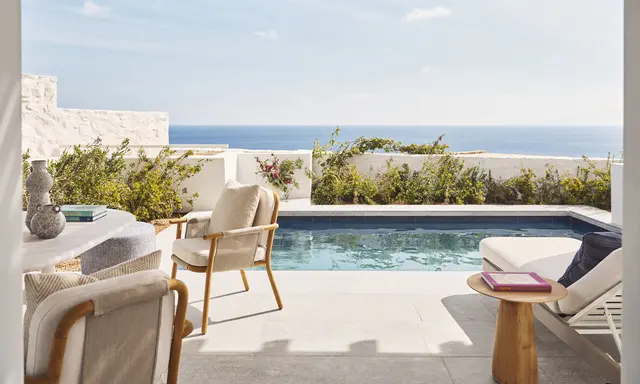
The resort's announcement identifies a private pool, oceanfront garden and gated access to the Surfside beach as distinguishing features. These are practical amenities because they create several ways to enjoy outdoor life without leaving the residence. A guest may prefer the controlled environment of the pool, while another wants the texture and space of the Atlantic shoreline. The garden provides a transitional area between the home and the beach. It is important not to confuse private access with ownership of the public coastline or to assume that every beach condition is suitable for swimming. Local rules, weather and water conditions still apply. The villa's design can make the ocean feel close, but guests should follow beach safety advice and respect access arrangements. A well-considered outdoor setting offers choice rather than removing the responsibilities associated with being beside the sea.
History gives the residence another dimension
Seaway at The Surf Club includes a restored oceanfront structure dating from 1936, when beachfront living in Surfside was developing a distinctive architectural identity. The original building is described by Four Seasons as historically significant, and the restoration is presented as part of the property's character. This historical layer matters because contemporary luxury accommodation can sometimes look interchangeable from one destination to another. A building that retains its proportions and relationship with the landscape offers a different story. Guests interested in design may appreciate how restoration work allows an older sense of scale to remain visible. Yet heritage does not automatically mean that every interior detail is original or unchanged. A respectful interpretation distinguishes the surviving architecture from contemporary additions. The pleasure lies in seeing how a building can continue to serve present-day guests without erasing all traces of its earlier life.
Joseph Dirand and the new context
The wider Seaway development includes residential towers associated with French architect and designer Joseph Dirand, who has also worked on the interiors of Four Seasons Hotel at The Surf Club. The official announcement discusses his role within the contemporary project and the relationship between new forms and the restored beachfront building. For design-conscious travellers, this helps place the villa within a larger architectural narrative rather than treating it as an isolated luxury product. However, the involvement of a famous designer should not be mistaken for evidence that every furnishing within the villa was personally selected by that individual. Guests can be curious about materials, proportions and spatial arrangement without relying on celebrity as the sole measure of quality. The most persuasive design makes the daily experience feel natural: circulation works, daylight is controlled and the connection with the sea remains present without overwhelming the interior.
Fully serviced does not mean indistinguishable from a hotel suite
The announcement characterises the property as a fully serviced beachfront villa. That suggests access to hospitality support, but prospective guests should confirm the precise services included in their booking. Housekeeping, in-villa dining, concierge support and other arrangements may vary by package or require advance organisation. A family staying for several days may value the ability to request assistance while keeping its own schedule. Conversely, some guests may prefer minimal service visits and greater autonomy. The best experience is likely to come from a clear discussion of preferences before arrival. A private residence can feel less private if staff interruptions are unpredictable, even when the service itself is excellent. Owners accustomed to a yacht's crewed environment may be particularly sensitive to this balance. The goal is attentive support without a sense that every activity must be managed.
Comparing the villa with yacht accommodation
A yacht of 12 to 23.99 metres can provide exceptional access to the water but works within the physical limits of a hull. Guest cabins, storage and dining spaces are designed for efficiency, often requiring clever compromises. A fixed beachfront villa can offer broader circulation and dedicated areas that do not need to move through waves. However, it cannot provide the experience of waking in a different anchorage or exploring a coast from the sea. Combining a yacht cruise with time ashore may therefore be particularly attractive. Guests might use a villa for a relaxed family gathering and take to the water for shorter excursions, subject to local availability and weather. The Four Seasons release does not announce a dedicated yacht charter or docking programme for villa guests, so those activities should be arranged separately. The two forms of hospitality complement one another rather than compete in every respect.
Surfside rather than the busiest part of Miami Beach
The Surf Club is positioned in Surfside, an area north of the more crowded sections associated with Miami Beach tourism. This can influence the type of holiday guests plan. Some travellers want quick access to nightlife and frequent events; others prefer a quieter oceanfront base with the option of visiting busier districts when they choose. A residence with private outdoor space may be more appealing to the second group. Transport should be planned realistically because South Florida traffic can vary considerably. The official announcement does not establish guaranteed travel times to airports, marinas or restaurants. Guests who intend to combine the stay with a yacht should coordinate vehicle transfers and luggage handling in advance. A good itinerary allows the beach to be part of daily life rather than merely a location glimpsed between appointments across the city.
The experience of staying near the shore
A beachfront residence creates a relationship with the sea that changes throughout the day. Morning light, afternoon activity and quieter evenings may give the same space different moods. The private garden and pool encourage guests to notice those changes without always planning an excursion. Yacht owners may recognise the appeal: much of the pleasure of being aboard comes from remaining close to water, even when no journey is scheduled. The difference is that the villa sits within a settled neighbourhood with fixed views and access to restaurants, shopping and cultural life on land. Its luxury may therefore be most evident during ordinary moments, such as reading outside or eating together after a swim. A well-designed property supports those unplanned hours rather than insisting that every guest pursue a full programme of organised experiences.
Booking for a group requires clarity
Four bedrooms may sound straightforward, but group travel involves practical questions about occupancy, accessibility, bedrooms, dining preferences and the age of accompanying children. Guests should confirm exactly what the villa rate covers and whether the property has restrictions on visitors or events. A private pool may require particular attention if young children are present. Anyone arranging a celebration should discuss permitted activities rather than assume that a residence can be used like an unrestricted event venue. The official release is a description of the accommodation, not a statement of every booking condition. For yacht owners coordinating the movement of guests between a vessel and shore, clarity about arrival times and luggage can prevent unnecessary disruption. It may be helpful to nominate one organiser who understands the group's preferences and communicates them to the property's team.
A design story about adapting the past
The restored 1936 structure gives the Beach Villa a different character from a newly built oceanfront penthouse. It suggests that older coastal buildings can have continuing value when restored with care and integrated into contemporary hospitality. That does not mean every decision about preservation or development should be assumed perfect; such projects can involve complex trade-offs. Guests may nonetheless appreciate an opportunity to experience an architectural scale associated with an earlier period of seaside living. The property can be understood as part of Surfside's history, not just another luxury address. For travellers interested in design, a stay may prompt questions about how coastal architecture adapts to new expectations for privacy, technology and comfort. Those questions are often more rewarding than a simple comparison of room prices or lists of fashionable amenities.
A private shore chapter alongside life at sea
The Surf Club's Beach Villa provides a clear example of residence-style luxury hospitality: four bedrooms, a private pool, a garden facing the Atlantic, gated beach access and service within a historically significant setting. The March 2026 announcement establishes these defining features but does not provide a universal price or promise that every service is included. For guests of 12-to-23.99-metre yachts, the accommodation may offer a change of pace during a South Florida journey. The strongest argument is not that a villa can reproduce cruising, but that it can provide greater spatial freedom and an enduring sense of place while preserving access to the water. When combined thoughtfully with time aboard, a shore residence can become a distinct chapter in a longer holiday rather than a substitute for the sea.
Sources and image credits
Lead photograph: The Surf Club Beach Villa Offers a Different Model of Miami Privacy — official Four Seasons first-party press photograph. © Four Seasons Hotels and Resorts, original property press photograph Original official image source.