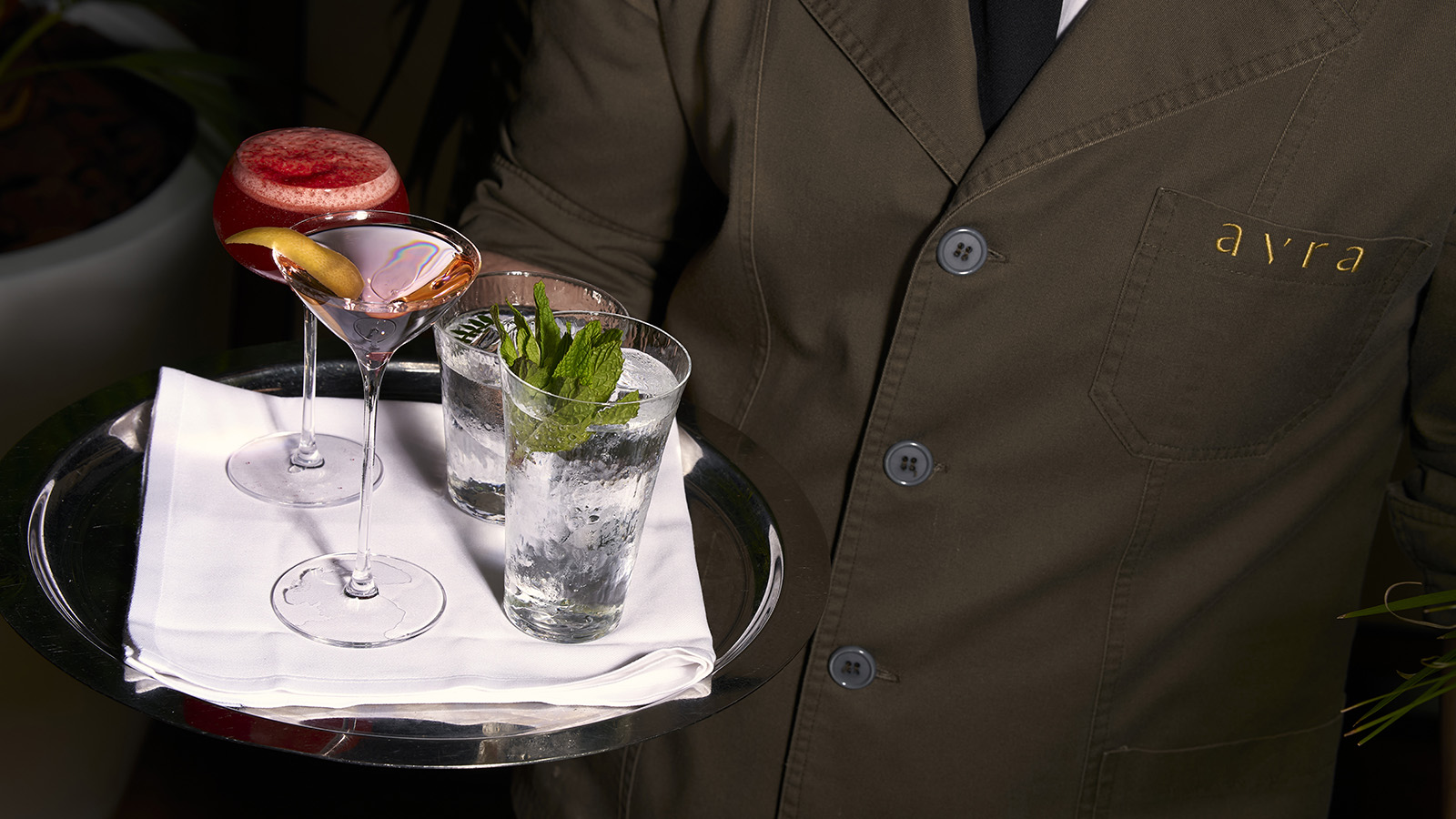
A bar that changes with the light
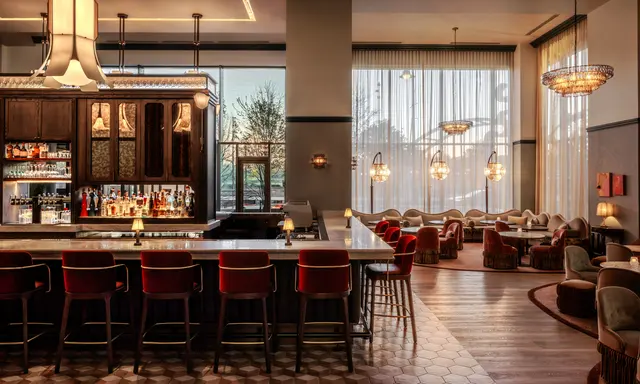
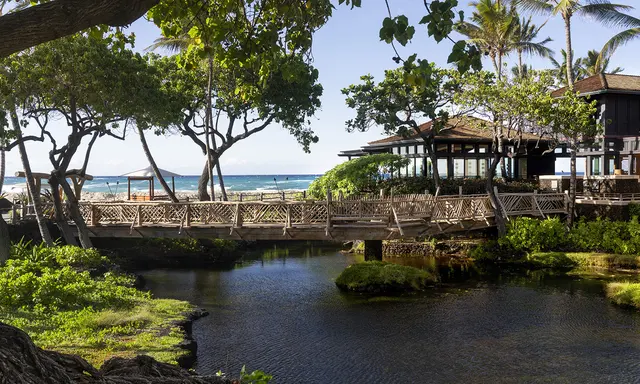
Avra Bar at Four Seasons Astir Palace Hotel Athens introduced a new cocktail programme in June 2026, using four themed chapters and the sensory qualities of Greek ingredients to guide guests through the menu. The Athens Riviera setting is an important part of the appeal: the venue moves from brighter daytime service toward a livelier evening atmosphere, while the sea remains a visual backdrop. For owners and guests of 12-to-23.99-metre luxury yachts exploring the Saronic Gulf, this is a shore-based experience that fits naturally into a coastal itinerary. Its interest goes beyond a list of named drinks. The programme shows how a bar can use temperature, aroma, dilution and presentation to make familiar flavours feel different. The official release describes a particular 2026 menu; guests should confirm what remains available on their travel dates rather than assume every drink is unchanged.
The role of the Avra Lab
The new selection was developed in the bar's own mixology laboratory under Bar Manager Nikos Tachmazis, with colleagues experimenting with Greek botanicals and familiar Mediterranean ingredients. The source names citrus, herbs, mastiha and olive oil among the flavours that inform the wider programme. A dedicated laboratory can create room for testing, but it does not guarantee that a drink will be enjoyable simply because its preparation is technical. The successful result is one in which complexity disappears into balance. Guests may prefer a clear, refreshing drink to a complicated presentation, and skilled service should accommodate that preference. The lab's value lies in being able to make those choices consistently. For a yacht steward building a private beverage programme, the lesson is that careful preparation and measured technique matter more than an impressive list of equipment.
Four seasons represented through the senses
The menu's opening chapter is called Senses, with four drinks associated with different points in the year. The official announcement describes grass as a spring reference, berries for summer, peppermint for autumn and charcoal as a visual or sensory expression of winter. These are conceptual choices rather than a scientific statement about the seasons. A good cocktail can evoke memory or mood, but no ingredient belongs exclusively to one month. The menu uses hand-drawn illustrations and scent-related elements to encourage guests to engage with aroma before drinking. That is a playful approach, although the experience will vary between individuals. Not everyone perceives a scent in the same way, and some guests may prefer to explore flavours without additional theatrical elements. The most useful part is the invitation to pause and notice what is in the glass.
Grass as an unexpected cocktail ingredient
The spring-inspired preparation includes cucumber, vodka, distilled fresh grass and a smoky agave spirit, described as a variation on the spirit of an Old Fashioned. The combination suggests freshness balanced against deeper flavours rather than the sweetness often associated with tropical bars. Using a plant material in a professional cocktail requires proper sourcing and preparation. Guests should not assume that grass from a garden can simply be collected and added to a drink. The botanical components chosen by a mixologist must be suitable for consumption and controlled for quality. The interesting culinary question is how a familiar smell associated with outdoor spaces can be translated into a balanced drink. It is the relationship between aroma and taste that makes this concept distinctive, not the novelty of including an ingredient that is rarely seen on a conventional cocktail menu.
Berries, peppermint and charcoal
The other Senses drinks take different approaches. The summer concept uses berry flavours and mastiha ice cream as a reference point, while the autumn preparation moves toward mint, cola reduction and bitters. The winter drink is described as a darker, smokier interpretation, combining spirits with elements such as raspberry and burnt wood aromas. These ideas are designed to offer contrast across the chapter. A guest could choose the flavour associated with a favourite season, although doing so is not necessary to understand the experience. The resort also states that the four drinks are available in non-alcoholic versions, an important detail for groups that include designated drivers or guests who simply prefer not to drink. The alternatives should be evaluated on their own flavour and service quality rather than treated as inferior copies of the alcoholic versions.
A menu with more than one approach
Avra's programme also contains chapters for aperitivos, established favourites and highballs. This helps create options for guests who are not interested in the more experimental Senses selection. A reinterpreted spritz or an Old Fashioned-style drink can be a comfortable choice before dinner, while a refreshing highball may suit the warmer parts of the day. The release refers to rhubarb, citrus, raspberry, Greek mountain tea and local fruit among the ingredients used. There is no requirement to sample every category in one visit. The better approach is to consider the intended occasion. A short pre-dinner drink calls for a different pace from an evening spent enjoying several carefully prepared serves. Good hospitality makes the menu easy to navigate, particularly for visitors who may not recognise every ingredient. A confident bartender can help guests choose by describing overall flavour rather than reciting technical vocabulary.
Greek ingredients in an international style
A distinctive part of the Avra story is the use of Greek mountain tea, Assyrtiko wine and olive oil in drinks that are otherwise linked to international cocktail traditions. A popular Paper Plane variation uses the tea, while a martini-style preparation combines wine and olive oil with a familiar format. These examples show how local produce can influence a drink without requiring the creation of a wholly new genre. A destination's ingredients may be known to residents in one form but appear differently to visitors. The bartender's task is to preserve an intelligible connection between the ingredient and its new role. This approach may be especially rewarding for travellers who have spent time eating in Greek restaurants and want to understand the same flavours from another angle. It is an exploration of hospitality, not an attempt to claim that modern cocktail culture is ancient tradition.
Highballs for warmer evenings
The Highballs chapter introduces lighter, sparkling drinks built around fruit and herbs. The release mentions a peach-and-blossom combination and another using mint with aged rum and sparkling wine. Such drinks may be attractive in the Athens Riviera setting, particularly when guests want refreshment rather than a dense, spirit-forward preparation. However, the feeling of lightness in a glass should not be confused with lower alcohol content. Guests need clear information about the ingredients and should drink responsibly, especially if a return to a yacht involves a transfer on the water. The venue's scenic location can make it easy to extend an evening beyond the original plan. A sensible shore itinerary accounts for transport, weather and the crew's operational responsibilities. A relaxed drink is most enjoyable when the return journey has already been arranged safely.
A hands-on garden experience
Four Seasons also describes a Garden to Bottle cocktail class, allowing participants to learn how selected seasonal ingredients are used in drink preparation. This can be a more engaging experience than watching a bartender work from the other side of the counter. Guests may discover how aromas change during preparation and why a particular ingredient is suitable for infusion or garnish. Participation should be arranged directly with the hotel, because the official release does not establish guaranteed availability for every guest or date. It is important to follow the professional's instructions rather than improvising with unfamiliar plants. The class concept may appeal to a group travelling on a private yacht, especially when the owner enjoys food and drink as part of the cultural itinerary. The knowledge taken away could be a better understanding of balance, even if no exact recipe is reproduced aboard.
Daytime dining and evening atmosphere
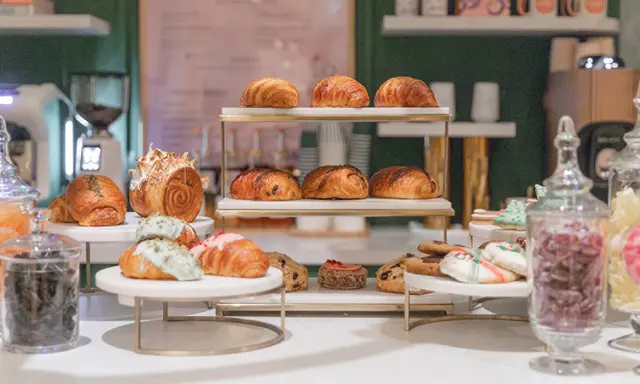
Avra is not solely a cocktail venue. The resort describes an evolving food offer, including more substantial dishes and smaller bar plates, alongside events that may change its atmosphere as the day progresses. Guests should check whether they are visiting for a quiet early meal or a DJ-led evening, as the two experiences can feel substantially different. A table with a strong view may also offer a different level of privacy from a seat near the busiest part of the bar. The best reservation follows the group's preferences rather than a simple recommendation to arrive at sunset. Some travellers want lively music and conversation, while others prefer an unhurried drink overlooking the water. The venue's ability to serve several moods is a strength, but it makes timing important. A good night begins with knowing what kind of occasion the guests actually want.
Including Avra in a Greek yacht itinerary
A visit to the Athens Riviera can fit into a voyage through the wider Saronic region, but the hotel release does not establish dedicated moorings or a guaranteed yacht transfer for bar guests. Owners should arrange shore access and suitable transport separately. Weather and local traffic may affect both journeys. A captain planning an evening outing should consider the time needed for guests to leave the yacht, enjoy the experience without rushing and return safely. The changing light along the coast can make the venue appealing before dinner, but there is little advantage in a spectacular booking time if it creates an unsafe or impractical transfer. Good planning allows guests to focus on the food, drinks and setting. A short shore excursion can add variety to a voyage without overwhelming the freedom and flexibility that make yacht travel attractive in the first place.
A contemporary expression of Riviera hospitality
Avra's 2026 cocktail programme demonstrates how a luxury bar can connect a coastal location with an ingredient-led creative process. Its four chapters provide several levels of familiarity, from experimental seasonal serves to established aperitivo styles and highballs. The official account identifies the bar team, the technical approach and examples of Greek-inspired flavours, while current availability remains a matter for the venue. For luxury yacht guests, the value is the opportunity to experience the Athens Riviera from a different perspective: seated ashore, observing the sea and exploring local ingredients in a format that is both international and recognisably Greek. An exceptional evening does not depend on trying the most complicated cocktail. It may be enough to choose one well-made drink, understand the idea behind it and enjoy the coastline changing colour beyond the table.
Sources and image credits
Reporting based on Four Seasons Hotels and Resorts official first-party 2026 press release: Awaken the Senses: Avra Launches New Ingredient-Led Cocktail Menu at Four Seasons Astir Palace Hotel Athens.
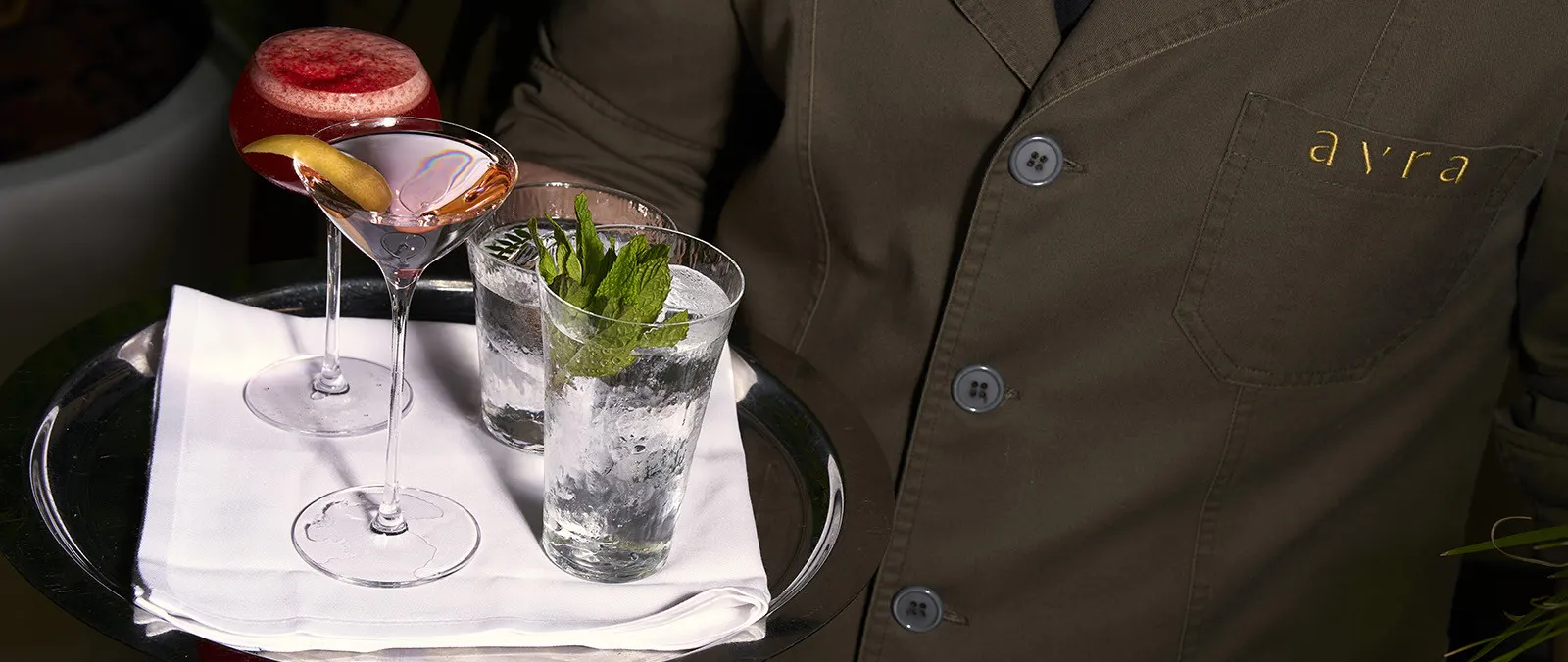
Lead photograph: Avra Athens Builds a Cocktail Menu Around Ingredients and the Riviera — official Four Seasons first-party press photograph. © Four Seasons Hotels and Resorts, original property press photograph Original official image source.