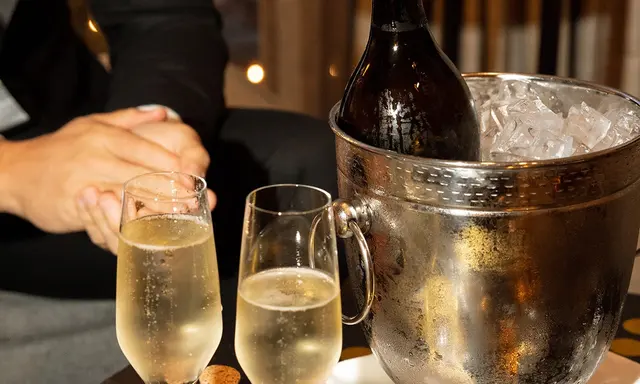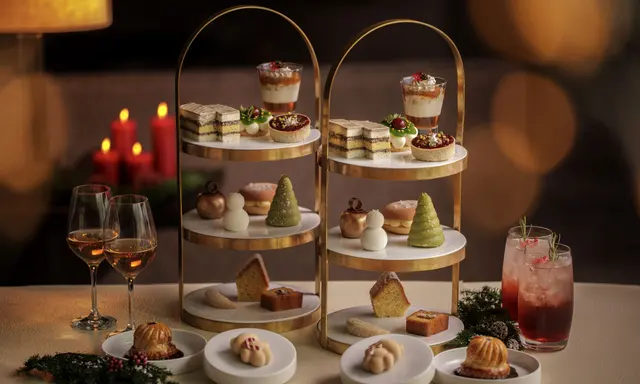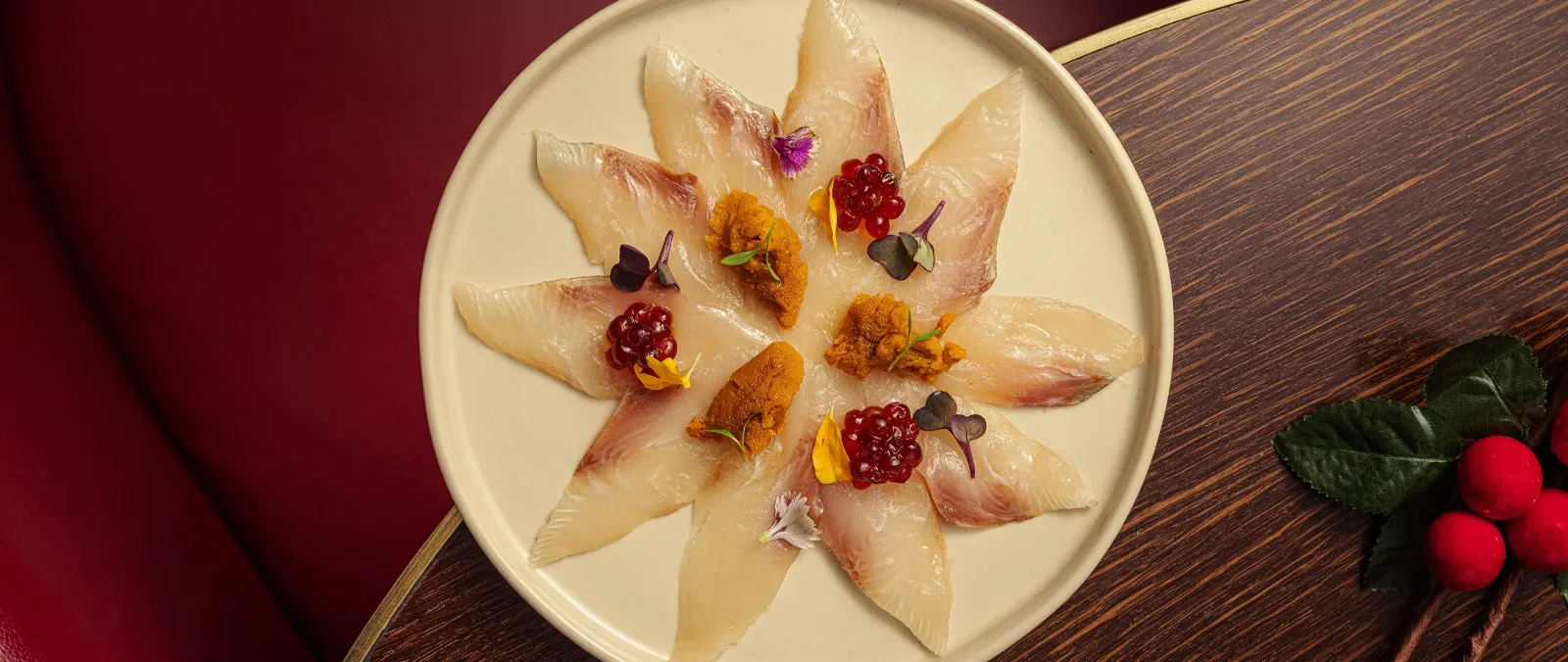
Isa Restaurant & Cocktail Bar at Four Seasons Hotel Madrid has unveiled a festive programme running from 27 November 2026 to 6 January 2027, centred on Asian-inspired cuisine, botanical cocktails and a series of late-evening celebrations. The announcement, issued on 17 November, is particularly interesting for visitors who want something other than a conventional hotel Christmas dinner. Isa offers three seasonal menus, opportunities for private dining in its eight-person Red Room and special arrangements for Christmas Eve, New Year's Eve and the first day of January. For travellers accustomed to luxury hospitality aboard yachts and in private residences, the appeal is a carefully orchestrated evening in which the setting, food, drinks and company matter equally.
A different festive atmosphere in central Madrid
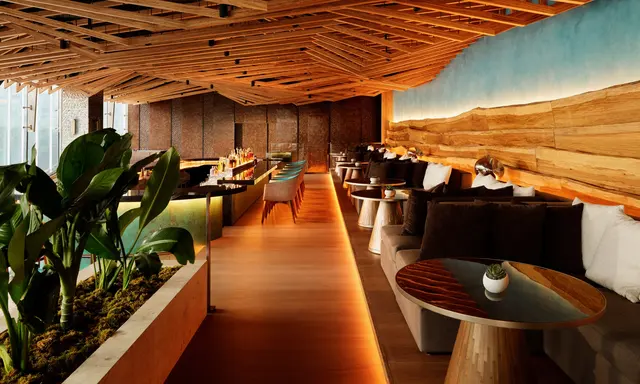
Holiday dining in European capitals often follows familiar patterns: a traditional menu, a formal dining room and a predictable sequence of celebrations. Isa is aiming for something less conventional. On the first floor of Four Seasons Hotel Madrid, it combines subdued lighting, contemporary restaurant design and the energy of a cocktail bar. The hotel's description emphasises an evening that can move from dinner into conversation and entertainment without an abrupt change of venue. That may be appealing to visitors who prefer social flexibility over a rigid banquet. Yet atmosphere cannot be guaranteed through a press photograph alone. Diners should check the entertainment programme and seating arrangements for their exact date, as the character of a room can differ considerably between a quiet weekday dinner and New Year's Eve.
Three seasonal menus, not a single festive formula
The restaurant identifies three menus named Origen, Síntesis and Evolución. The names suggest different approaches to its culinary identity, from established signatures to more exploratory combinations, although the release does not give a complete course-by-course comparison or universal prices. Its examples include a trio of aubergine, salmon and hamachi nigiri, char siu-style Iberian pork belly and Wagyu A5 bavette. Desserts range from Matchamisú to a yuzu pie served with yuzu sorbet and a nut crumble. These combinations indicate a kitchen that is comfortable moving between Asian culinary references and European ingredients. Guests should request the full current menu, ask which dishes are included in each option and establish whether substitutions are possible. A well-chosen dinner depends on that detail rather than on an evocative menu name.
The interplay of Spanish and Asian ingredients
Madrid is a city with strong culinary traditions, and Isa's menu takes advantage of that context without attempting to imitate a typical Spanish festive meal. Iberian pork belly prepared in a char siu style offers a clear example: a highly regarded local ingredient presented through a technique and flavour framework associated with Chinese cooking. Wagyu A5 adds a different form of richness, while nigiri and yuzu introduce Japanese influences. The result is best understood as contemporary restaurant creativity rather than a claim to represent one undiluted regional cuisine. That distinction matters for travellers who appreciate culinary identity and provenance. A kitchen can use influences imaginatively, but it should also be transparent about the ingredients and preparations actually being served.
A botanical laboratory shapes the drinks
Isa's bar programme is based on experimentation with Asian roots, leaves, teas and fermented ingredients. The restaurant refers to techniques including infusion, clarification, fermentation and redistillation. For the guest, those processes matter only if they yield drinks that are balanced and pleasant to consume. A complex description is not necessarily evidence of a superior cocktail. The emphasis on ingredients can, however, create a useful pairing with the kitchen's cuisine. Tea, citrus, herbs and different forms of acidity may connect particularly well with seafood, richly glazed pork or aromatic sauces. Anyone planning a dinner around the bar should tell the team about their preferences and ask for recommendations, rather than choose solely on the basis of an elaborate technical process.
Clarity and Saku show the laboratory approach
The seasonal communication highlights two cocktails. Clarity combines vodka with sencha tea, green apple, lemon verbena and yuzu, presented around the idea of mental clarity. Saku brings together gin, green shiso, lemon, sake and a strawberry-and-cherry cordial. Each uses several aromatic layers rather than relying on a single obvious flavour. Actual taste will depend on proportions, preparation and serving temperature, details not fully disclosed in the announcement. Guests should not infer an exact alcohol concentration or a universal tasting experience from the ingredient list alone. The most interesting aspect is the way the bar frames its drinks as part of a wider sensory experience. A cocktail may be a thoughtful beginning or accompaniment to dinner, but it need not become the focus of the whole evening.
A serious place for alcohol-free choices
Isa also publishes options for guests who do not want a conventional alcoholic cocktail. Equinoccio is described as a combination of rhubarb, jasmine tea, verjuice and tonka-flavoured sparkling water. That is a more considered approach than simply removing spirits from a standard recipe. Verjuice can provide acidity, while tea and botanical ingredients introduce flavour complexity. The menu includes low-alcohol as well as non-alcoholic options, but guests should check which specific drink belongs to which category rather than assume every botanical preparation is alcohol-free. The distinction matters for health, religious or personal reasons. For private group celebrations, offering appealing alternatives makes it easier for all guests to participate without the evening revolving around alcohol consumption.
The eight-person Red Room offers privacy
For smaller gatherings, Isa's Red Room can be reserved exclusively for groups of up to eight. That is a useful size for a family, a group of close friends or a business dinner where privacy and conversation are more important than a large party atmosphere. A dedicated space can make a restaurant feel closer to a private residence while retaining professional kitchen and service support. However, exclusive use should not be confused with a guarantee of complete acoustic isolation or any particular menu price. Guests should confirm minimum spending requirements, table arrangements, service inclusions and cancellation conditions directly. For groups accustomed to private dining aboard yachts, these details may determine whether the evening has the desired relaxed feeling.
Christmas Eve becomes a multi-stage occasion
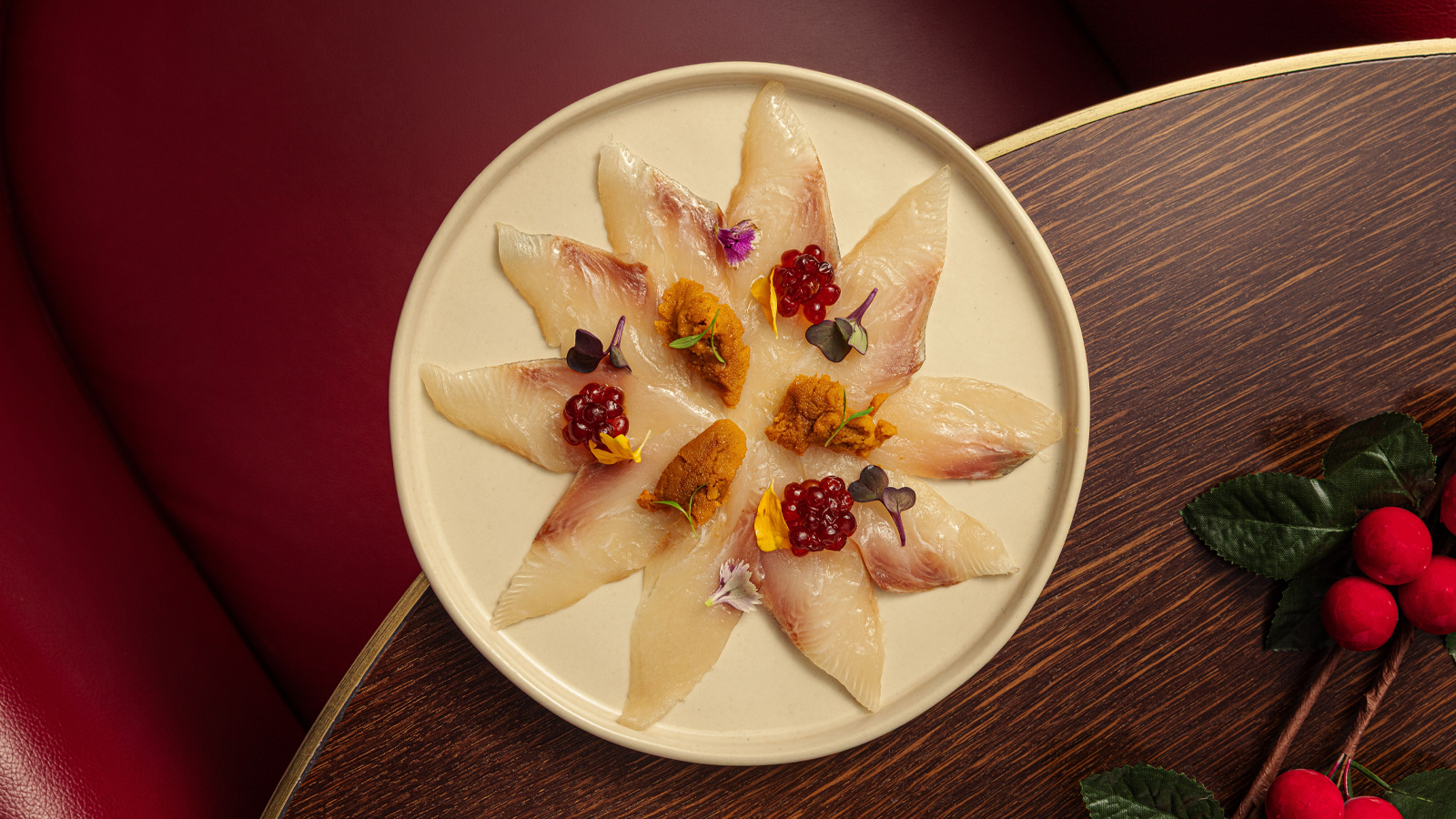
Isa's Christmas Eve programme on 24 December begins with cocktails at 7 pm, followed by a dinner scheduled for 9 pm. Dishes mentioned by the hotel include sea bass usuzukuri with sea urchin and ikura and turbot prepared with green laksa and edamame. The hotel also mentions live entertainment and a children's menu, extending the restaurant's appeal beyond adult-only groups. A family making plans should examine the timing carefully. A late multi-course dinner may be enjoyable for some children and inconvenient for others. Those wanting a private celebration may ask about Red Room availability, but capacity is limited. The value of a special dinner lies not only in the ingredients but in whether the rhythm of the night suits the particular guests.
New Year's Eve extends well beyond midnight
On 31 December, the restaurant plans an evening starting at 8 pm with dishes including a scarlet-prawn bonbon served with ramen broth and Wagyu tenderloin with demi-glace and glazed shallots. After dinner, a separate party is planned in the hotel's event rooms from midnight until 4 am. The announcement describes an open bar, music, a DJ, entertainment and late-night refreshments, with limited capacity. Diners should establish whether the restaurant booking automatically includes entry to the later event or whether separate reservations and charges apply. The hotel does not promise unlimited access for everyone who happens to be staying on the property. For those arriving from another city or enjoying a longer holiday, transport and accommodation should also be arranged before the festive night.
A softer beginning to the new year
The programme does not finish with the countdown. On 1 January 2027, Isa plans to open from 5 pm, with its usual menu, a DJ and live entertainment. That timing may appeal to guests who have celebrated late the previous evening and want to begin the new year without the demands of an early formal meal. It also illustrates a broader point about good hospitality: not every special occasion needs an elaborate fixed menu. Sometimes the best experience comes from the freedom to arrive later, choose familiar dishes and spend an unhurried evening with friends. The hotel notes that the wider festive programme runs until 6 January, but specific offerings and reservations must still be checked for individual dates.
Why this format appeals to private travellers
Owners and guests accustomed to travel aboard private yachts often value control over timing, privacy and the company they keep. A restaurant cannot reproduce the exact freedom of a private vessel, but exclusive spaces and flexible dining programmes can offer some of the same advantages ashore. Isa's Red Room and range of menus may be useful for those spending a few days in Madrid between cruises or during winter travel. The central-city hotel setting also means guests can combine dining with cultural activities rather than having to stay in a remote resort. The important point is to make arrangements early, specify the group's needs and avoid assuming that a premium hotel can satisfy every special request without notice.
Dining details matter more than theatrical language
Press releases often promise immersive experiences, but a successful night depends on ordinary professional details: the table is ready, dietary restrictions are understood, courses arrive at the right pace and the music allows conversation when it matters. At Isa, a menu featuring elaborate ingredients may be particularly sensitive to allergies and preferences. Fish, shellfish, soy, nuts and other ingredients can appear in both food and drinks, and guests should not guess from a short description. Booking directly with the restaurant is the appropriate way to clarify requirements. Those celebrating as a family should ask about children's meals, while hosts arranging a group should confirm the final number and any conditions attached to exclusive use.
A Madrid holiday with a distinct culinary character
Isa's programme is notable because it gives the festive season a contemporary Asian-influenced interpretation instead of recreating a standard holiday banquet. Origen, Síntesis and Evolución provide different menu directions; the cocktail laboratory adds another dimension; the Red Room offers a more private setting; and Christmas Eve and New Year's Eve have separate structures. The announcement supplies useful starting details, but it should not replace current availability or price checks. For travellers who enjoy combining luxury accommodation with memorable food and a lively city, the restaurant offers a reason to include Madrid in winter plans. Its real success will be judged by the quality of the table, the service and the experience of spending time together.
Sources and image credits
Reporting based on Four Seasons Hotel Madrid official Isa seasonal dining release, 17 November 2026.
Lead photograph: Isa Restaurant festive dining at Four Seasons Hotel Madrid, original official seasonal press photograph. Four Seasons Hotel Madrid original official press image provided with downloadable media for Isa seasonal programme announced 17 November 2026; copyright retained by Four Seasons and rights holder Original official image source.