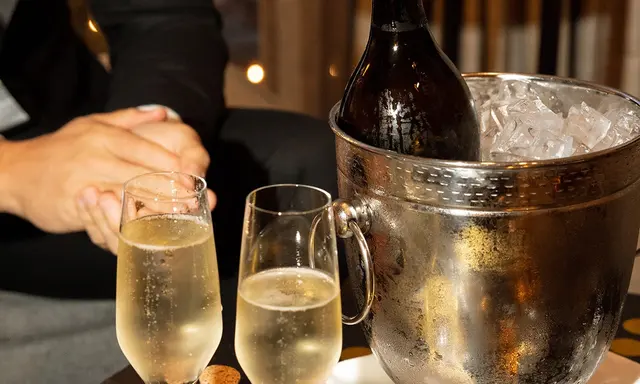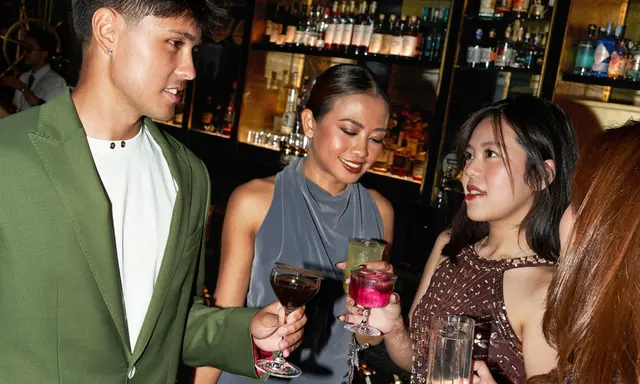
A new bar planned for Mandarin Oriental Makati, Manila is using the stories and ingredients of the Philippine archipelago as the foundation for its cocktail programme. Announced on 10 November 2026 and scheduled to open towards the end of the year, Layara will occupy a space above the Ayala Triangle Gardens in the heart of Makati. Bar manager Kiara Opeda is developing a menu that changes its geographic focus every quarter, with the opening selection devoted to Cebu and neighbouring Visayan traditions. The bar's name is inspired by the Filipino word layag, meaning sail, and its design evokes the colour and movement of traditional island boats. For yacht owners familiar with the country's coastline, Layara promises a new way to explore local culture while spending time in the capital.
A bar inspired by movement across the sea
The Philippines is a nation shaped by islands, coastal travel and maritime exchange. That identity has influenced food, language, craft and the ways communities connect. Layara takes sailing as both a visual idea and a structure for its menu. Rather than list cocktails only by spirit or flavour profile, the bar intends to guide guests through different destinations and the stories associated with them. This can be a compelling approach to luxury hospitality when local knowledge is presented carefully. The concept should not suggest that the Philippines consists of one uniform maritime culture or that a cocktail can represent an entire community. Its value lies in offering an engaging introduction that encourages further curiosity and respect.
The name links the venue to the Filipino language
The announcement connects Layara with layag, the Filipino word for sail. This is more than a decorative detail: the name gives the bar a recognisable relationship with movement, discovery and the surrounding archipelago. It can appeal particularly to travellers who arrive with an interest in vessels, islands and coastal culture. But the image of sailing also carries responsibilities. A sophisticated venue should acknowledge that seafaring traditions belong to real communities and are not simply an exotic visual vocabulary. Guests may enjoy learning how maritime travel has shaped the country while recognising the differences between commercial trade, community transport and luxury cruising. The most thoughtful interpretation allows those distinctions to remain visible.
Traditional boats influence the interior
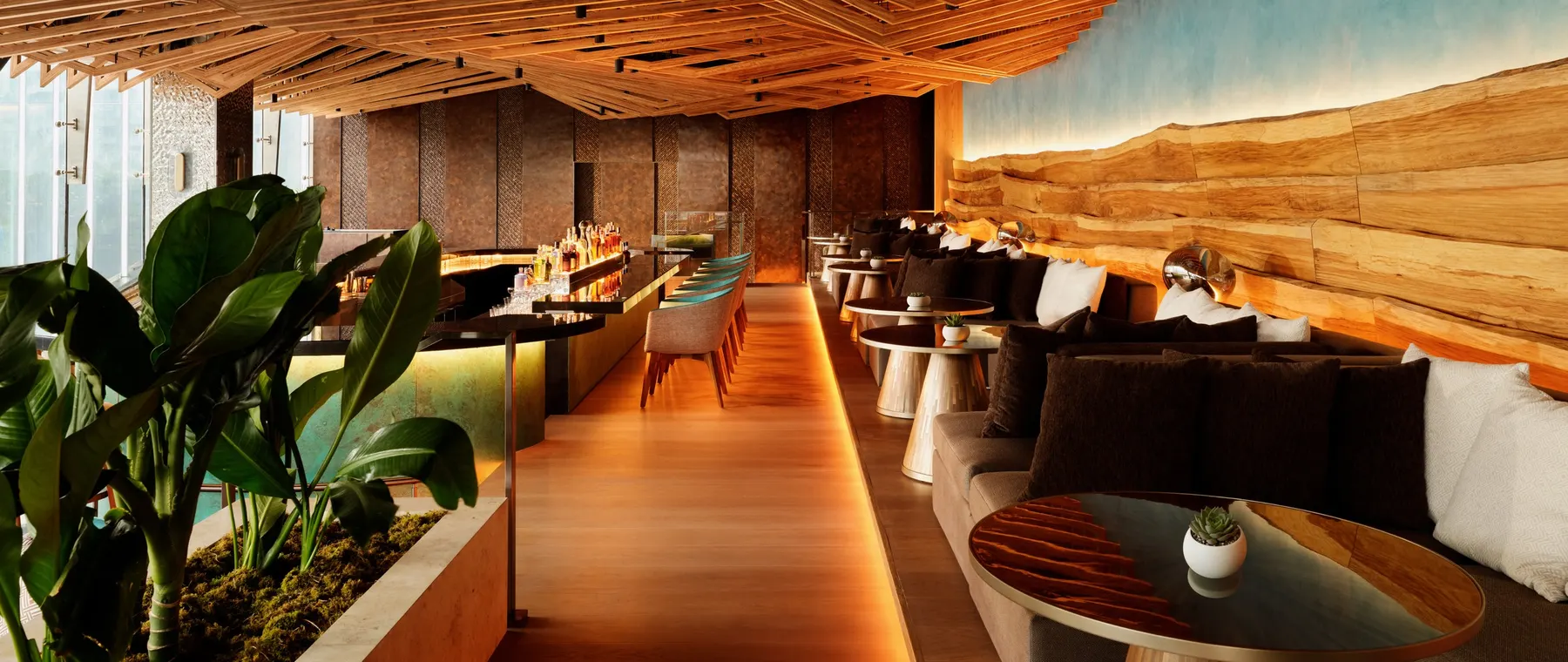
The design references the striped sails of Vinta boats associated with Tausug, Sama-Bajau and Yakan communities. It also draws on the flowing movement of the traditional Pangalay dance. The hotel describes wooden latticework, greenery and natural materials, creating a space that feels in motion above Makati's urban landscape. These references can make a contemporary hotel bar distinctive when handled with sensitivity to their origins. A visitor should not assume that the space reproduces any one traditional dwelling or vessel precisely. It is a modern design interpretation intended to celebrate varied cultural influences. The value of the result will depend on craftsmanship, atmosphere and how well the staff can explain the ideas behind the decoration.
A substantial venue above Ayala Triangle Gardens
Layara is planned as a space with capacity for approximately 150 guests, an unusual scale for a concept built around intimate stories and specialist cocktails. Its location above Ayala Triangle Gardens allows the bar to combine a sense of escape with proximity to Manila's financial and cultural activity. The size may support a lively evening with music and groups of friends, though it is unlikely to offer the same level of privacy as a small exclusive salon. Prospective guests should ask about seating, noise, reservations and private-event arrangements when the venue opens. A reported capacity does not tell visitors how comfortable a particular table will be or guarantee a view from every position in the room.
Kiara Opeda shapes the beverage programme
Bar manager Kiara Opeda brings experience from a succession of notable venues in Manila and Hong Kong, including Black Sheep, OTO Bar, Sabi Sounds and Happy Paradise, according to Mandarin Oriental. She has also worked as a brand ambassador in the spirits industry. Her role gives the concept a person responsible for carrying its ideas into real recipes and service. A good bar programme needs more than colourful menus. The team must understand ingredients, maintain consistency, explain unfamiliar flavours and respond to individual preferences. Opeda's ambition is to allow the menu to travel through different destinations rather than remain a fixed collection. That will give returning guests a reason to discover new chapters.
A quarterly journey rather than a permanent list
The hotel says the bar will change its destination focus every three months. Each new selection is intended to explore a Philippine place through local ingredients, history and culinary traditions. This provides creative flexibility but also creates a practical obligation to research each subject with care. Travellers should not assume that drinks described in the November release will remain available throughout 2027. It is worth asking which chapter is currently being served and whether signature recipes can still be ordered from earlier programmes. A changing menu can make repeat visits interesting, especially for people who return to Manila regularly. The approach is strongest where the interpretation is rooted in knowledge rather than a superficial series of island names.
The first chapter begins with Cebu
Cebu supplies the inspiration for the debut menu, divided into two parts. The first is called Sailing the Philippine Archipelago and includes seven drinks connected with history, mythology and journeys by water. The second, The Islands After Mactan, introduces a collection of lower-alcohol and non-alcoholic preparations. The division allows the venue to approach the same island region from different perspectives. Cebu's coastal geography, cultural traditions and historical significance offer rich material for the creative team. A visitor may discover unfamiliar references, but those references should lead to explanation rather than assuming every guest already knows their background. The team will play an important role in making the stories accessible without oversimplifying them.
Maria Cacao and the appeal of tropical fruit
One of the debut cocktails is Maria Cacao, named after a figure in Cebuano folklore associated with a mountain and cacao grove. The announced recipe combines whisky with yellow mango, passionfruit, pomelo and jasmine tea. Such a combination creates opportunities for acidity, fragrance and sweetness, while the spirit provides a warmer background. Its success will depend on proportion and technique rather than on the number of ingredients. The name invites questions about local mythology, but the drink should not be presented as an authoritative retelling of the story. For a visitor, it can be an enjoyable introduction to a cultural reference while also revealing how regional fruit can be used in modern mixology.
Bakunawa draws from a more dramatic legend
Bakunawa is associated with a serpent described in Philippine mythology as swallowing the moons. Layara's cocktail uses cognac, black sesame, cacao and muscovado beneath a banana-milk foam, according to the release. The darker, more indulgent flavour profile is distinct from Maria Cacao's fruit-led character. Black sesame and cacao can add texture and richness, while muscovado provides a particular form of sweetness. It is an ambitious combination, and those with allergies or dietary restrictions should ask about the ingredients rather than rely on the headline description. A cocktail can be a respectful way to introduce a legend when the accompanying explanation acknowledges the complexity of the tradition.
Historical figures appear in the first chapter
Other drinks refer to figures associated with the region's history. Princess Urduja incorporates gin, ube, Earl Grey and goat's cheese foam, while Raja Zula combines gunpowder gin with green mango, guava and ginger. Another cocktail named for Lapu-Lapu and Raja Humabon brings together vodka, lychee, elderflower, fino sherry and bianco vermouth. The use of these names adds a narrative dimension, but the historical references cannot be reduced to simple stories of heroes and villains. A guest interested in Cebu's past should seek reliable cultural and historical sources beyond a drinks menu. The bar can offer a starting point, not a comprehensive account.
Mactan introduces a familiar dessert language
The first section also includes Mactan, a drink using Irish and Scotch whisky with coconut milk, jackfruit, sweet corn and banana. It draws on ingredients that appear in varied Southeast Asian desserts, combining them with internationally familiar spirits. Coconut, corn and banana can make a drink rich and comforting, but their sweetness requires careful balance. For a group exploring Layara, the contrast between Mactan and more citrus-forward recipes may be part of the pleasure. The hotel has not supplied standardised nutritional information or a complete allergen statement in the announcement. Staff should be consulted before ordering, particularly if dairy substitutes, dietary restrictions or sensitivity to strong spirits are relevant.
The non-alcoholic chapter matters
Layara's second chapter makes an effort to include alcohol-free and lower-alcohol drinks as a substantive part of the concept. Diwata combines a non-alcoholic rum alternative with citrus and mint, while The Offering uses glutinous rice, mango, ginger and coconut milk. Babaylan features non-alcoholic amaretto and aperitivo alternatives with tamarind, pineapple and lime. The Child from Spain and Aswang introduce other references and ingredients. These drinks give guests choices that do not depend on consuming strong spirits. The exact alcohol content of each preparation should still be confirmed individually, because a menu section can contain both alcohol-free and low-alcohol options. Inclusive hospitality requires clarity rather than assumptions.
Food and music extend the island theme
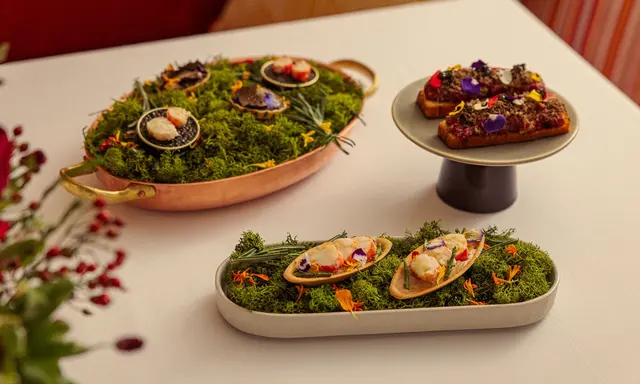
The culinary programme is intended to offer refined small plates inspired by regional favourites, while live entertainment is planned to include Philippine instrumentalists, singers, bands and DJs. Those elements can make Layara feel like a destination in its own right rather than a place to stop briefly before dinner. But a lively music programme may also mean that some evenings are better suited to conversation than others. Guests should check the schedule and choose a seating that matches their expectations. Food presentation should reflect the ingredients and culinary traditions of its inspirations, not merely decorate an international menu with local names. A knowledgeable service team can make the experience more meaningful.
Part of a larger hotel return to Manila
Layara will open within Mandarin Oriental Makati, Manila, marking the return of the hotel brand to a city where it previously operated for decades. The new property is described as a 275-room hotel with five food-and-beverage concepts, a substantial spa and wellness floor, a twenty-five-metre outdoor swimming pool and event spaces. The wider development adds context to the bar: it is intended to support both residents of Manila and international travellers staying in the financial district. However, the press announcement describes a future opening. Guests should verify that the hotel and the bar are actually operating before planning a visit or making commitments around specific dates.
Why it resonates with a yachting audience
Owners and guests cruising in the Philippines may spend most of their time exploring coastal regions rather than the capital. A visit to Makati offers a different perspective, allowing encounters with urban culture, fine dining and contemporary Philippine design. A bar whose name refers to sailing and whose ingredients are drawn from island traditions can feel especially relevant. Yet an elegant interpretation of a maritime story is not a substitute for visiting the communities it references. The best travel experiences combine comfortable hospitality with genuine learning, respectful curiosity and opportunities to understand people and places on their own terms.
A new point of departure for Philippine hospitality
Layara's ambition is to create an evolving cocktail programme that moves across the country's archipelago through recipes, stories, design and performance. The Cebu debut gives the bar a defined starting point, while the planned quarterly changes leave room for further exploration. The finished experience will depend on the quality of the drinks, the care taken with cultural references and the team's ability to welcome different kinds of guest. As of the November announcement, Layara is planned to open towards the end of 2026, and availability should be confirmed before a visit. For travellers interested in the relationship between maritime culture and contemporary luxury, it is a promising new address in Manila.
Sources and image credits
Reporting based on Official primary press announcement — https://press.mandarinoriental.com/layara/?lang=eng.
Lead photograph: Layara bar at the new Mandarin Oriental Makati, Manila, original official Mandarin Oriental press-gallery photograph. Mandarin Oriental Hotel Group official downloadable press-gallery photograph from its 2026 release; original copyright retained by Mandarin Oriental and the photographer. Original official image source.