Mandarin Oriental Hyde Park, London is using the 2026 festive season to create a new relationship between luxury hospitality and Great Ormond Street Hospital Charity. Its programme, The Spirit of Christmas, began on 18 November and combines family activities inspired by J. M. Barrie's Peter Pan with seasonal dining, a Wishing Tree and small donations linked to restaurant and bar experiences. The hotel is looking ahead to its 125th anniversary in 2027, while the children's hospital will mark 175 years of caring for families. The initiative presents an interesting question for the luxury industry: how can a beautiful hotel experience include an opportunity for meaningful support without turning the needs of children and families into a decorative theme?
The hotel and hospital share a city
Mandarin Oriental Hyde Park occupies a prominent address beside London's great public green spaces, with access to Knightsbridge, museums and cultural activities. Great Ormond Street Hospital operates within the same city but serves children and families facing very different circumstances from those of an international luxury hotel's guests. The relationship between these institutions is therefore a deliberate exercise in reaching across different experiences of London. The hotel can bring visibility and fundraising opportunities, while the charity can explain how donations support its mission. It is important not to imply that staying at the hotel is itself a donation or that every seasonal purchase automatically benefits the charity. The terms of individual initiatives should remain clear.
Two literary figures give the season its structure
The programme draws inspiration from J. M. Barrie and Charles Dickens, both connected with the hospital's history. Barrie's association is particularly notable because he gifted the rights to Peter Pan to Great Ormond Street Hospital. Dickens was among those who championed the hospital during its earlier years. Rather than relying on an unrelated winter fantasy, the hotel has selected literary references that form part of a genuine historical story. This gives the seasonal programme greater depth, provided that the history is explained accurately. A visitor may know these writers through familiar characters and Christmas stories, but the connection with the hospital offers an opportunity to discover a less widely understood aspect of their legacies.
The Spirit of Wonder begins with families
One section of the programme, The Spirit of Wonder, centres on Families by M.O. — Wonders of Neverland. The concept invites children and accompanying adults to explore imaginative experiences informed by Peter Pan, while drawing on the hotel's location close to Hyde Park and Kensington Gardens. Young guests are promised thoughtful seasonal touches and a storybook, creating a connection between the hotel's surroundings and Barrie's fictional world. This can be an appealing approach to a family holiday, especially for visitors who want activities that invite conversation and curiosity. The programme should not, however, be presented as a full theatrical production or a guaranteed private encounter with fictional characters unless the hotel confirms such an event.
London offers a natural setting for imaginative travel
A family staying near Hyde Park has access to public gardens, galleries, museums and a variety of seasonal events. Mandarin Oriental points to the area's Winter Wonderland and Magical Ice Kingdom among the experiences within reach. Such attractions are separate operations, and accommodation at the hotel should not be assumed to include admission, reserved tickets or unlimited access. Parents should plan realistically around crowds, weather and the energy of younger children. A particularly successful family itinerary may involve one well-chosen outing followed by a quiet afternoon rather than an exhausting sequence of attractions. The hotel's seasonal setting can provide a comfortable base for discovery without displacing the wider life of the city.
Children's afternoon tea interprets the story
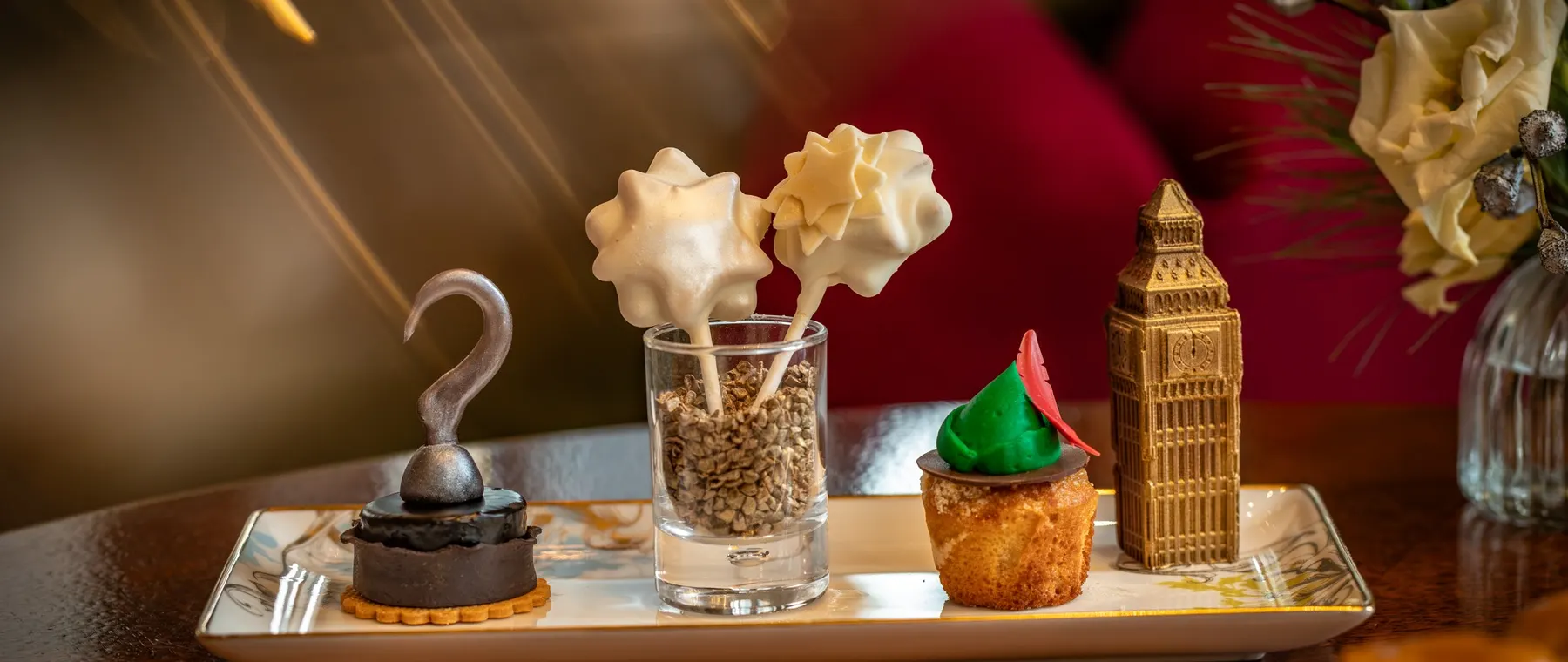
The Rosebery, the hotel's well-known afternoon-tea venue, is expected to offer a children's festive programme inspired by Neverland. Afternoon tea can be an especially suitable family occasion because it gives children an introduction to formal service without requiring a long evening meal. The challenge is balancing presentation with food that younger guests will genuinely enjoy. A storybook reference may help create delight, but the experience still needs appropriate portions, patient staff and attention to allergies. Parents should confirm the current menu, prices and age arrangements. A beautifully designed tea is most successful when children feel welcome rather than pressured to behave as miniature adults in a setting that was not prepared for them.
The Spirit of Generosity introduces Dickens
The second part of the programme takes inspiration from Dickens and is called The Spirit of Generosity. Its emphasis on shared meals, reflection and kindness is a natural extension of the writer's association with Christmas literature. The Rosebery's Christmas Wish Afternoon Tea is intended to explore togetherness and hope, while the hotel's Wishing Tree gives guests a place to add messages. This part of the project can make the festive season feel more personal without requiring every visitor to participate in a large formal event. Yet private wishes are not measurable social outcomes. A meaningful charitable partnership must also explain how financial support is collected and used, even while encouraging symbolic gestures that guests may find moving.
A Wishing Tree in the lobby
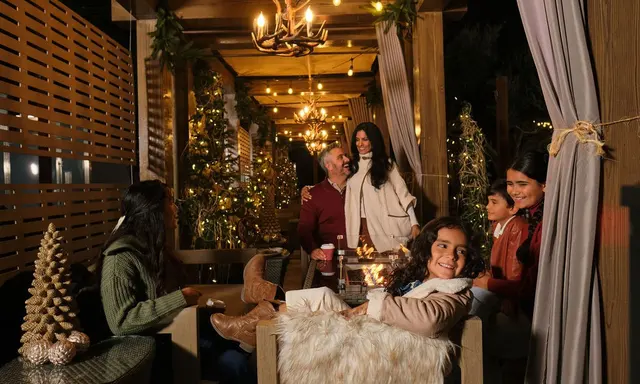
The hotel describes a Christmas tree decorated in gold, white and soft celadon, accompanied by a Wishing Tree inviting visitors to write messages of hope. These displays are intended to turn the hotel's public areas into places where guests can reflect on the season. They also bring questions about privacy and sensitivity. People may write wishes that refer to personal experiences, health or family difficulties, and staff should handle such messages respectfully. A wish written on a card is not a request for medical assistance or a guarantee that a charitable outcome will follow. The installation is strongest as a gesture that invites attention to other people rather than as a claim that hospitality can resolve serious problems on its own.
The Invisible Mince Pie turns absence into generosity
The most distinctive initiative may be the Invisible Mince Pie. Guests at participating restaurants and bars can order this item for £5, but instead of receiving food they are given an illustrated wishing card designed by artist Charlie Child. The visitor may write a message and hang it on the hotel's Wishing Tree. Mandarin Oriental says the full £5 contribution is donated directly to Great Ormond Street Hospital Charity. This is a clear and imaginative fundraising mechanism, as long as staff make the terms obvious before an order is placed. It should not be described as the sale of an actual pastry or as a charitable payment whose destination is unclear. The gesture connects a familiar Christmas treat with a simple, transparent way to give.
Twelve Days of Giving adds participatory activities
The hotel also plans a sequence of workshops and experiences under the title 12 Days of Giving. Examples include wreath-making with Moyses Stevens and family cupcake decorating with executive pastry chef Emmanuel Bonneau. Tickets are advertised at £12, with all ticket revenue to be donated directly to the charity. A small group can therefore enjoy learning a craft while participating in a wider fundraising effort. Such activities may be more meaningful than simply acquiring a seasonal product, especially for families who appreciate doing something together. Visitors should confirm dates, capacity and materials before attending. The release does not establish how much revenue the programme will raise or guarantee that every workshop will remain available throughout the season.
Cocktails draw on Past, Present and Future
The Mandarin Bar will offer seasonal drinks inspired by the Dickensian themes of Past, Present and Future. The description suggests a creative link with the familiar structure of A Christmas Carol, though the exact recipes and ingredients are not fully detailed in the announcement. Guests should request a current drinks menu and ask about alcohol-free choices rather than assume that every cocktail suits every preference. A themed drink can be an enjoyable way to introduce an evening, but its value should be judged on balance, preparation and service. The story behind it can enrich the experience when presented with clarity and without overwhelming the pleasure of spending time with friends.
Dinner by Heston Blumenthal approaches a transition
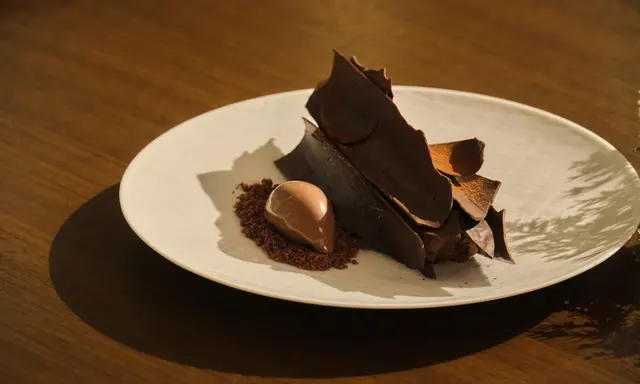
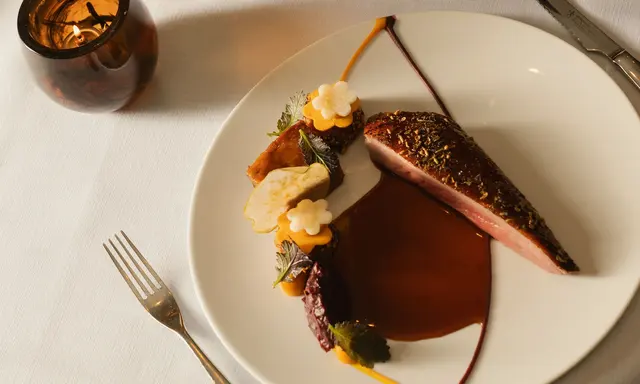
The hotel notes that the festive season coincides with the closing chapter of Dinner by Heston Blumenthal's sixteen-year presence at the property. The two-Michelin-starred restaurant has developed an international reputation through its interpretations of historical British culinary ideas. The holiday period offers an opportunity for guests to experience familiar signature dishes before that chapter ends, although the announcement does not establish every future venue decision or guarantee a table. Dining enthusiasts should confirm operational dates and reservations directly. The inclusion is relevant to the broader theme because luxury hospitality also involves preserving memories of places and experiences that change over time. An important restaurant chapter can be celebrated without pretending that it will continue indefinitely.
The Aubrey offers a different festive perspective
The Aubrey, the hotel's Japanese izakaya, is taking a less conventional approach to seasonal food with Japanese Fried Chicken designed for sharing. It may appeal to guests who prefer a lively table and recognisable comfort food rather than a formal multi-course meal. This illustrates an advantage of a hotel with several distinct dining venues: different guests can celebrate in ways suited to their preferences. It would be misleading to assume that the charity fundraising mechanism applies identically to every menu item or that a reservation for one venue grants access to another. The hotel's published programme should be consulted for specific conditions. Variety is valuable when combined with clear information and consistent service.
The charity's work provides essential context
Great Ormond Street Hospital Charity supports research, equipment, child-centred facilities and services for children and families facing serious illness. The November announcement highlights the desire to bring comfort and moments of normal festive enjoyment to hospital wards. Those goals deserve careful treatment. A luxury hotel event is not evidence that any specific patient has benefited, and claims about outcomes should be made by the charity using verified information. The appropriate role of editorial coverage is to explain the programme and its financial mechanisms, not to turn illness into a sentimental backdrop. Guests who want to contribute beyond the hotel can consult the charity's own donation channels and learn more about its work.
The anniversaries make the partnership timely
Mandarin Oriental Hyde Park is approaching 125 years, while Great Ormond Street Hospital is looking towards its 175th anniversary in 2027. Those milestones provide an opportunity to consider how established institutions contribute to the identity of a city. Both have witnessed considerable changes in London, though their missions and audiences are very different. The hotel announcement presents the 2026 partnership as the beginning of activities that will continue into the anniversary year. Future events should be treated as plans until confirmed. The more enduring opportunity is to create a relationship that supports awareness and charitable giving beyond a few weeks of seasonal decoration.
A different approach to luxury at Christmas
The Spirit of Christmas offers a collection of experiences that can be enjoyed separately: family storytelling, afternoon tea, the Wishing Tree, small charitable donations and practical workshops. Its interest lies in how these elements are connected to a credible local partner and a pair of literary histories. The programme began on 18 November 2026 and is planned to extend through the festive period, with exact bookings and availability subject to confirmation. For travellers staying in London, it provides a reason to consider how the pleasure of an exceptional hotel visit can coexist with generosity. The most successful outcome would be a season remembered for warm hospitality and clear, meaningful support for the children and families served by the charity.
Sources and image credits
Reporting based on Official primary press announcement — https://press.mandarinoriental.com/hyde-park-festive-2026/?lang=eng.
Lead photograph: Mandarin Oriental Hyde Park The Spirit of Christmas charity celebrations, original official 2026 hotel press-gallery photograph. Mandarin Oriental Hotel Group official downloadable press-gallery photograph from its 2026 release; original copyright retained by Mandarin Oriental and the photographer. Original official image source.