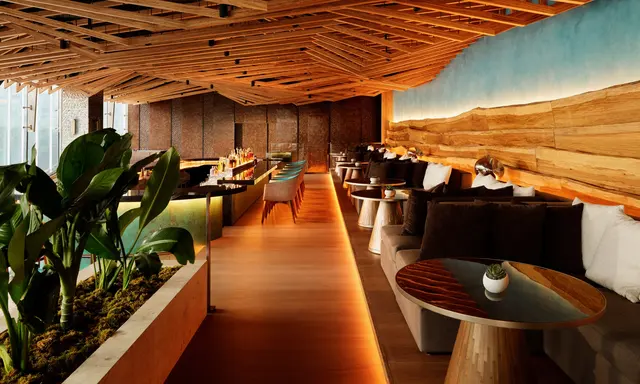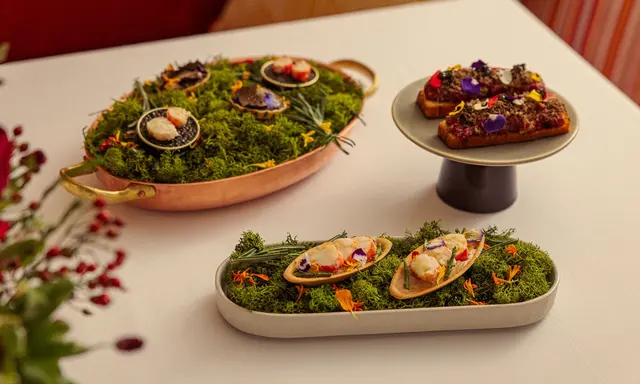
Nautilus Bar at Four Seasons Hotel Jakarta has introduced a new cocktail collection organised around the landscapes and maritime heritage of Indonesia. Announced on 12 November 2026, the menu moves beyond the bar's earlier focus on individual spices to explore mountains, agricultural regions, forests and ports. The four sections — Mountains & Peaks, Lands & Fields, Forests & Jungles and Seas & Ports — turn the country's extraordinary geography into a theme for contemporary mixology. The programme draws on ingredients including turmeric, pandan, nutmeg, torch ginger and local fruit, while retaining several guest favourites. For luxury travellers who enjoy understanding the food and drink culture of a destination, the idea is an appealing invitation to look beyond familiar international cocktail recipes.
An archipelago provides the starting point
Indonesia is made up of thousands of islands with a remarkable diversity of climates, crops, cuisines and cultural traditions. Its history of trade, especially the movement of spices through ports and sea routes, provides an intriguing background for a cocktail bar. Nautilus has long referred to that maritime story in its identity. The new menu broadens the perspective by connecting each group of drinks with a landscape rather than presenting spices as isolated luxury ingredients. This can make a tasting more engaging when the staff explain how a particular flavour relates to a region or tradition. The menu is a creative interpretation, however, not a comprehensive geographic survey of the entire country.
The importance of an authentic ingredient story
A bar may describe a drink as inspired by forests or volcanic mountains, but the experience is most convincing when the connection is supported by real ingredients and thoughtful explanations. The Indonesian landscape offers numerous botanical possibilities, including pepper, herbs, tropical fruit and aromatic leaves. Four Seasons lists ingredients such as andaliman pepper, jeruk Medan, kedondong, palm sugar, trigona honey and torch ginger in the new programme. Some will be unfamiliar to international visitors. Guests can ask about their origins, how they are prepared and whether their flavours have a traditional role in local cooking. Careful storytelling matters because the culture behind an ingredient deserves more attention than a fashionable name.
Mountains & Peaks begins with warmth
The Mountains & Peaks chapter takes its inspiration from volcanic slopes and highland landscapes. The hotel lists Turmerizzzz, a cocktail combining gin, turmeric and Javanese long pepper, alongside Noir, which brings bourbon, whisky, chocolate and nutmeg vermouth together. These combinations suggest warming, layered flavours rather than the citrus-led profile of a conventional highball. Turmeric can add an earthy note, while different peppers provide aroma and a sense of spice. Noir draws on the relationship between dark spirits and chocolate, with nutmeg contributing a familiar regional association. Actual flavour balance depends on proportions and preparation methods that are not completely detailed in the release, so guests should ask the bartender to explain a drink before ordering it.
Lands & Fields celebrates agricultural produce
The second chapter, Lands & Fields, focuses on the country's cultivated landscapes. Mango Tango combines tequila, whisky, mango and cinnamon, while Velvet Road uses rye whisky, cognac, white pepper and star anise. The range highlights different aspects of agricultural produce: ripe tropical fruit, warm spice and the more subtle aroma of white pepper. A well-made drink can bring these components together without allowing one ingredient to dominate. The hotel does not provide a universal tasting note for every cocktail or disclose precise alcohol strengths. A traveller who prefers lighter drinks should make that preference clear rather than assume the presence of fruit means a cocktail is low in alcohol.
Forests & Jungles brings unfamiliar combinations
In Forests & Jungles, the hotel highlights Honeyrita, described as incorporating black-forest honey and makrut lime leaf, and Es Teler, a reinterpretation of the Indonesian dessert using jackfruit, coconut, pandan and milk. The latter is particularly interesting because it draws on a familiar local sweet rather than simply borrowing a tropical flavour. Jackfruit, coconut and pandan have strong culinary associations across parts of Southeast Asia, but their expression in a drink requires care. The combination can become overly rich if sweetness is not balanced. Guests should also check for dairy and other allergens, especially in a drink inspired by a dessert. The culinary reference may make the menu approachable to those interested in Indonesian food traditions.
Seas & Ports returns to the bar's roots
The fourth chapter, Seas & Ports, connects most directly with Nautilus Bar's maritime heritage. Spice Smuggler is scented with torch ginger mist, while Dockside Dondong features kedondong and coconut. Their names evoke ports and routes by which ingredients travelled through the archipelago and beyond. This can be an entertaining way to introduce the history of spices, but the story should remain grounded in respect for the communities whose labour and knowledge made those trades possible. A yacht owner may appreciate the maritime reference, although a cocktail menu is not a historical account of specific voyages. Its pleasure lies in the opportunity to experience local flavours and then explore the wider subject through travel and cultural encounters.
The appeal of kedondong and torch ginger
Some of the ingredients in the menu deserve attention in their own right. Kedondong, also known by several regional names, is a tropical fruit with a tart character that can work well in refreshing drinks. Torch ginger contributes a distinctive aromatic quality and is used in a number of Southeast Asian culinary traditions. Such ingredients provide alternatives to the internationally familiar lemon, lime and orange. For a bartender, they can introduce new possibilities for acidity and aroma; for a visitor, they may become an invitation to taste the same ingredient in local dishes. The hotel should be able to explain the sourcing and preparation of specific components where that information is available, without turning every ingredient into an unsupported claim of rarity.
Familiar signatures remain on the menu
The new collection does not replace everything that established Nautilus Bar's identity. A separate favourites section retains Red Pearl, Lada P & J, Koko Pala and the venue's Negroni Collection. That is a useful decision for repeat guests who return because they enjoy a specific drink. A bar can innovate without treating its previous work as obsolete. The contrast between familiar signatures and new experiments also gives a group more choice. Some guests may enjoy exploring the four landscape chapters, while others prefer a recipe they know. A polished hospitality experience should welcome both. The staff's ability to describe differences and recommend suitable options is more important than the number of unfamiliar ingredients displayed on the menu.
A premium spirits selection offers another route
Four Seasons also highlights cocktails prepared with luxury spirits such as Patrón El Alto, Macallan 18 Sherry Oak, Clase Azul Reposado, Don Julio 1942 and Martell XO. These products appeal to enthusiasts who enjoy exploring distillation, maturation and different spirit styles. Their inclusion should not be understood as proof that a drink is automatically superior or that every guest should spend more. A thoughtful bartender can explain why a particular spirit works with the recipe and whether its subtler qualities remain discernible once other ingredients are added. Guests should request accurate pricing before ordering, particularly where premium pours or special editions are involved. Luxury in a bar is as much about knowledgeable service as brand recognition.
Why a menu can tell a geographic story
The four-chapter structure offers something beyond a conventional list of cocktails. It encourages visitors to think about the relationship between environment and flavour: mountains associated with spice and warming notes, fields with fruit and crops, forests with aromatic leaves, and ports with ingredients that travelled through trade. This framework is inevitably selective. Indonesia contains more culinary cultures and ecosystems than any hotel bar could represent in one menu. The strongest expression of the concept will be transparent about the limitations and willing to answer questions. A guest who becomes interested in a particular spice or coastal region may later explore its history and local cuisine in more depth.
An experience for travellers, not simply collectors of spirits
For an internationally mobile guest, a cocktail bar can be a useful introduction to a city. It offers a comfortable place to meet people, discuss local traditions and ask staff for recommendations. Nautilus sits on the mezzanine level of Four Seasons Hotel Jakarta, making it convenient for those staying at the property as well as visitors who want to dine or meet in the city. But the hotel's location does not mean that every Indonesian ingredient on the menu comes from nearby or that guests are receiving a guided tour of the archipelago. The experience is a culinary interpretation, designed for pleasure and conversation. Local specialists, markets and restaurants can provide complementary perspectives during a longer stay.
The importance of restraint in luxury hospitality
Elaborate mixology techniques can create attractive theatre, but there is a limit to how much complexity improves a drink. Too many ingredients may blur the intended character of a recipe, and strong spirits can overwhelm delicate botanical notes. The new Nautilus collection is likely to be most successful where the bartender combines technical control with a clear sense of place. Guests should feel comfortable describing their preferences, including sweetness, acidity, bitterness and the amount of alcohol they wish to consume. A high-end hotel should be equally welcoming to people who choose non-alcoholic beverages, even when a particular release concentrates on spirits. The aim is thoughtful hospitality, not pressure to order the most elaborate drink.
Planning a visit in Jakarta
Four Seasons has published the new menu as an ongoing development at Nautilus Bar rather than a single-date event. Travellers should confirm current opening hours, reservations and menu availability directly with the hotel. Those with dietary restrictions should ask about ingredients and possible cross-contact, and anyone arranging a group should establish seating arrangements. Jakarta's traffic and travel patterns deserve consideration, particularly for people arriving from meetings or connecting journeys. A visitor spending only a short time in the capital may find an evening at the bar an accessible way to discover several unfamiliar flavours without planning an elaborate excursion. It is also worth allowing time to enjoy the atmosphere rather than rushing through a list of drinks.
An Indonesian approach to contemporary mixology
The new Nautilus Bar collection provides a distinctive narrative for an internationally familiar luxury experience. By organising cocktails around mountains, fields, forests and ports, Four Seasons Jakarta connects contemporary drinks with Indonesia's geography, agriculture and maritime heritage. The specific recipes — from turmeric and long pepper to kedondong and coconut — offer opportunities for discovery, while the familiar signatures provide continuity. Their quality will ultimately be judged in the glass, with good balance, professional service and truthful descriptions of ingredients. For yacht owners and other luxury travellers exploring Southeast Asia, Nautilus offers an urban interpretation of the environments and cultures that make the region so compelling.
Sources and image credits
Reporting based on Official primary press announcement: https://press.fourseasons.com/jakarta/hotel-news/2026/nautilus-bar/.
Lead photograph: Nautilus Bar at Four Seasons Jakarta, new Indonesian landscape-inspired cocktail collection, original official press photo. Four Seasons Hotels and Resorts original official 2026 press photograph provided in the responsible hotel newsroom downloadable gallery; copyright remains with the issuing rights holder and photographer. Original official image source.