Kyoto’s festive dining calendar takes a local turn
Hotel The Mitsui Kyoto has announced its Christmas Collection 2026 for 1 to 25 December, including what it describes as its first Christmas-themed afternoon tea. Rather than present a conventional European teatime menu unchanged, the hotel introduces the experience with a bowl of its original matcha, ENISHI, which guests whisk themselves before tasting a sequence of winter savouries and festive pastries.
The service takes place at The Garden Bar, with a standard price of JPY 7,800 per person or JPY 9,800 with the premium option. The hotel states that these prices include the applicable 15 percent service charge and consumption tax. Reservations and current conditions should be confirmed directly, particularly for guests arranging a multi-stop Kyoto visit during a busy holiday period.
A menu balancing Kyoto ingredients and Christmas motifs
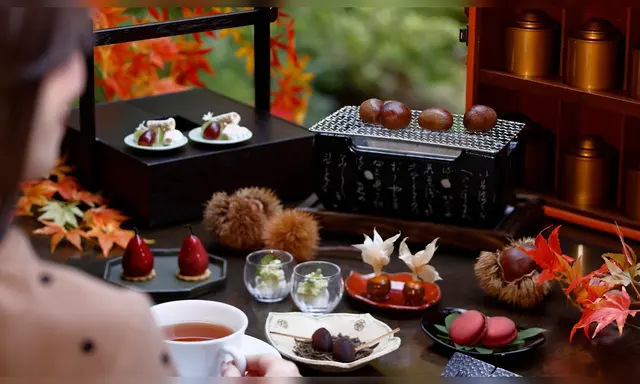
The announced sweet selection includes a gingerbread man cookie, snowman macaron, reindeer pavlova, chestnut stollen, strawberry and pistachio verrine, and yuzu tartlet. Familiar festive motifs provide visual charm, while yuzu and chestnut lend regional and seasonal accents. Presentation draws on the form of a traditional Japanese okamochi carrying box rather than a standard tiered cake stand.
Savouries bring another layer of local relevance. The published menu lists Shogoin turnip soup, a croque monsieur using Tanba shimeji mushrooms, pork rillette maritozzo, and duck with mandarin. Japanese black tea scones arrive with Kyoto strawberry jam, mandarin and soyogo honey jam, and clotted cream. These selections make afternoon tea a tasting experience rather than simply an extended dessert course.
The matcha ritual changes the pace
Asking guests to prepare the welcome tea introduces a deliberate pause at the start of the meal. Matcha has a long connection with Japanese hospitality and the tea traditions associated with Kyoto; in this contemporary setting it also helps establish a sense of participation. The particular drink and its preparation are specified by the hotel, rather than being an embellishment supplied by an outside commentator.
The drinks programme goes further than a single tea pairing. The hotel advertises free-flowing service of more than 20 beverages, including three original mocktails and a selection of TWG teas. Guests who are curious about how the drinks interact with yuzu, citrus, mushroom or pastry should ask the team for pairing advice, especially when moving between sweet and savoury courses.
Other Christmas Collection dining options
The wider Christmas Collection extends beyond afternoon tea. Hotel The Mitsui Kyoto has announced special seasonal courses at TOKI and its Italian restaurant FORNI, alongside original Christmas cakes. Among the centrepieces is a shortcake inspired by the form of a traditional Japanese oju box, connecting an imported holiday celebration with a locally legible presentation style.
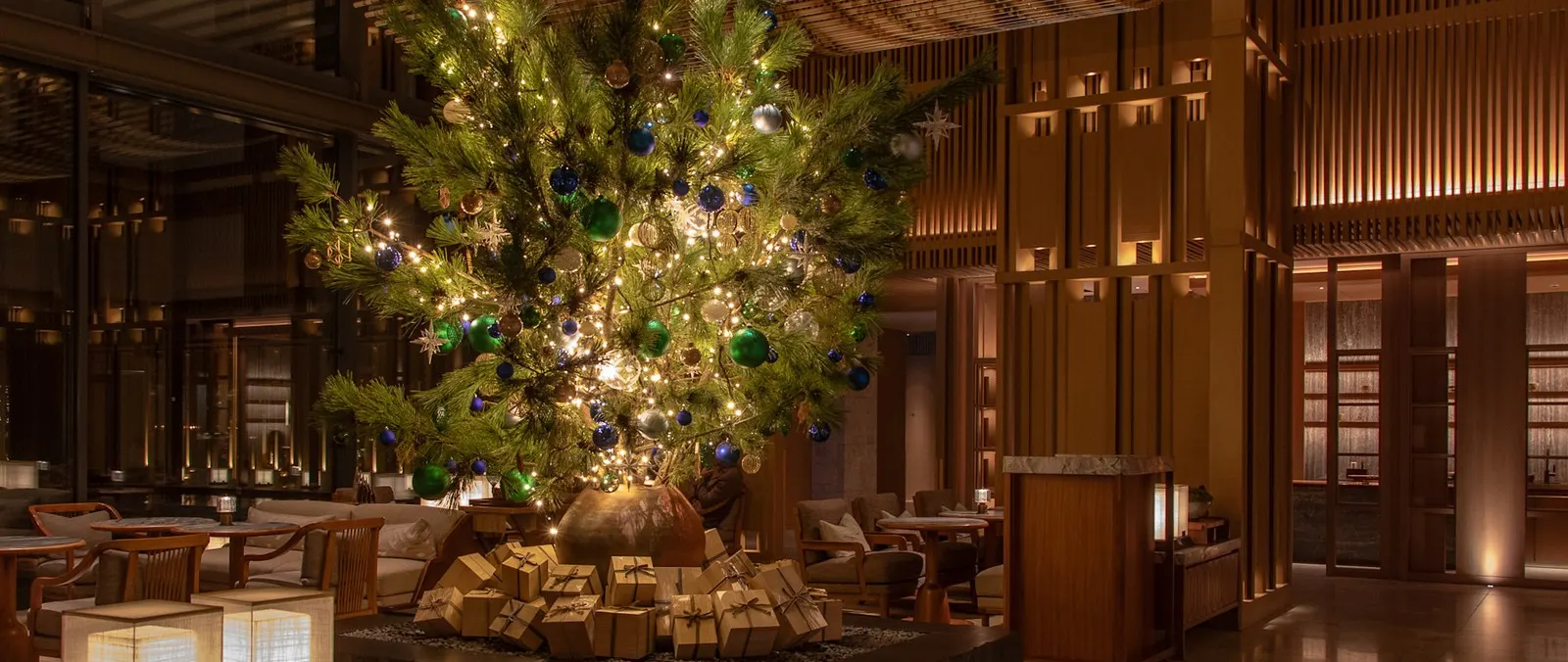
The hotel also plans a 2.5-metre Christmas tree fashioned from Japanese black pine. Together, these elements give guests several ways to experience the season, whether through a formal dinner or a more relaxed afternoon. They should not, however, be treated as a fixed package: availability and booking rules vary by venue and date, and a restaurant reservation does not automatically include other activities.
A broader view of luxury hospitality in Kyoto
Kyoto’s high-end hotels compete not only through architecture and room design but through how convincingly they interpret the city’s food and craft traditions. Hotel The Mitsui Kyoto uses ingredients, tableware references and matcha service to lend specificity to a familiar festive format. That attention to local detail can make a short stay distinctive for travellers who have visited other Christmas destinations.
The event has a clear date window, allowing guests to plan around December travel without confusing a scheduled promotion with a permanent hotel amenity. The primary hotel announcement supplies the full menu and booking information, which should be checked as the season approaches. Its most interesting feature is the meeting between ceremonial Japanese tea, carefully chosen Kyoto flavours and the playful iconography of Christmas.