A travel programme built around the calendar
Four Seasons has outlined a set of autumn experiences across Asia in an announcement dated 6 October 2026, highlighting how weather, harvests and local traditions can shape a journey more meaningfully than a conventional destination checklist. The programme spans Kyoto, Hangzhou, Seoul, Suzhou and Northern Thailand, with different reasons to visit each location during September through November.
It is not a single packaged tour with fixed dates and one itinerary. Instead, the hotel group draws attention to experiences available at individual properties, allowing guests to design an independent sequence of stays. That distinction matters to travellers who prefer a mixture of cities, gardens, restaurants and slower days rather than being committed to a tour timetable.
Kyoto’s changing colour and seasonal dining
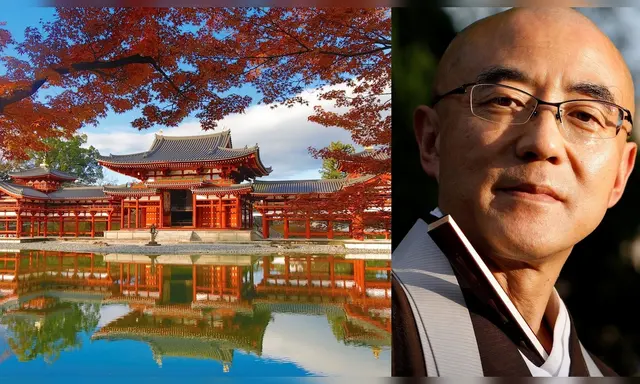
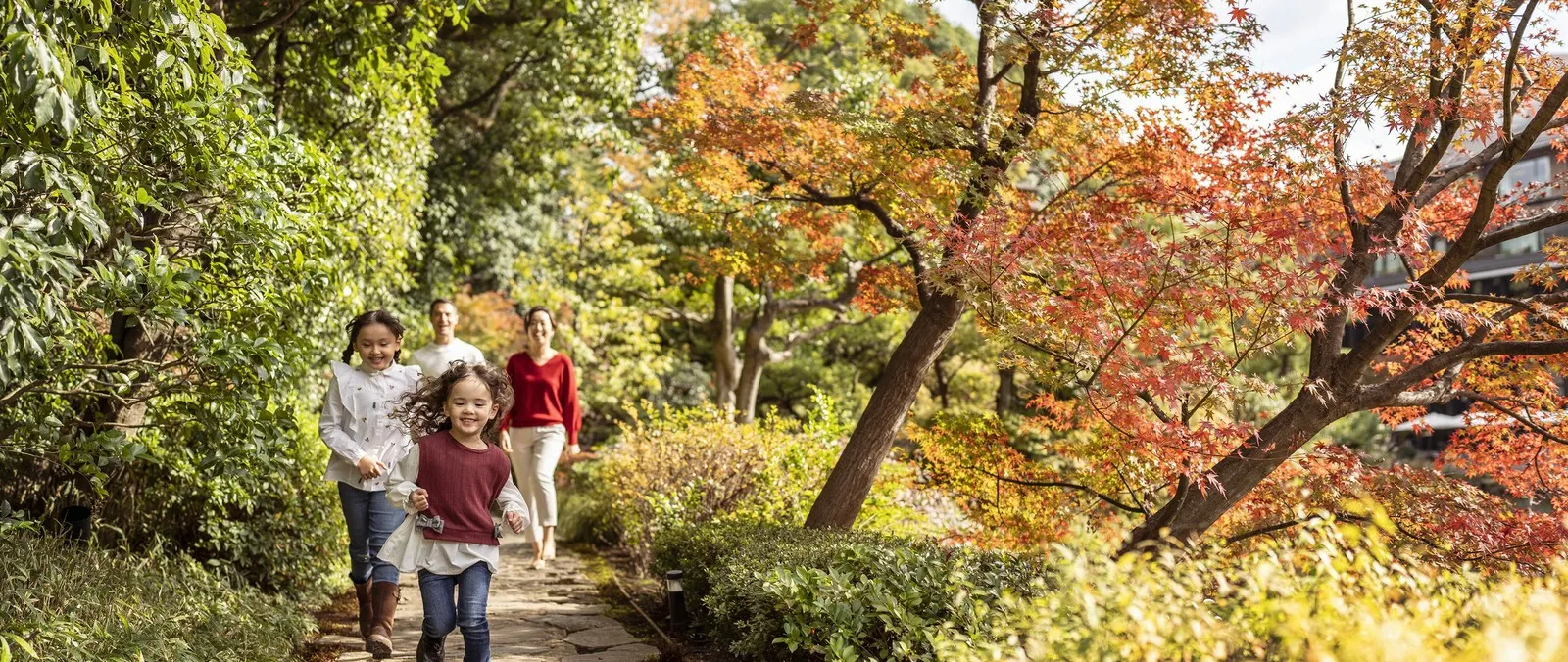
Four Seasons Hotel Kyoto highlights the autumn colours of its 800-year-old Shakusui-en pond garden and excursions to several well-known temples. Its Kyoto in Autumn: Foliage Discovery route includes Bishamondō, Nanzenji, Eikan-dō and the Philosopher’s Path, bringing landscaped gardens, cultural history and walking together in a relatively compact city visit.
The hotel also proposes an Autumn Afternoon Tea through 30 November, drawing on Shine Muscat grapes, figs, persimmons, pears and Japanese chestnuts. The connection between the scenery and the menu is a useful reminder that Japan’s autumn tourism is as much about seasonal eating as foliage photographs. Travellers planning a short visit should allow time for both, without assuming every garden reaches its colour peak at the same moment.
Hangzhou and Suzhou turn attention to local produce
In Hangzhou, the press release points to the fragrance of osmanthus flowers as a distinctive autumn signal. Four Seasons Hotel Hangzhou at Hangzhou Centre has trees in its tenth-floor Sky Garden and draws seasonal flavour references from osmanthus, pear and pomegranate. Beyond the hotel, the Grand Canal and neighbourhood museums provide ways to explore a city whose character differs substantially from Kyoto’s temple itinerary.
Suzhou’s focus is the Jiangnan harvest. Four Seasons Hotel Suzhou sits on a private island in Jinji Lake and promotes seasonal ingredients including hairy crab, chestnut, gorgon nut and autumn pear. At Jin Jing Ge, Executive Chinese Chef Charles Zhang has planned dishes reflecting local traditions, with a seasonal menu extending to 20 December. These are examples of property-level experiences, not assurances that every dish will be served every day.
A November festival in Northern Thailand
Four Seasons Tented Camp Golden Triangle connects its autumn offering with Loy Krathong on 25 November 2026. The announcement describes guests making decorative krathongs and joining a riverside ceremony beside the Ruak River, followed by Northern Thai dining, dance and music. The attraction is a particular cultural date, quite different from following the gradual change in autumn foliage.
Festivals demand respectful planning. A guest should understand local etiquette, environmental guidance for offerings and the precise programme being conducted at the property. Transport and accommodation should also be confirmed in advance, since a celebration anchored to a single date offers much less flexibility than a sightseeing excursion that can be rescheduled for another morning.
How to organise a season-led private itinerary
An itinerary linking several countries works best when the main purpose of each stop is clear. Kyoto may warrant time for garden visits and smaller restaurants; Hangzhou and Suzhou reward slower exploration of food culture and waterways; Northern Thailand benefits from a stay that allows time to appreciate the landscape outside the festival itself. Such a journey need not include every destination in the corporate announcement.
Four Seasons operates hospitality properties across these markets, but local arrangements, availability and inclusions vary. Guests should confirm whether guiding, transfers and dining are included in a rate or require separate bookings. The broader point of this autumn announcement is persuasive: experienced travellers may gain more by matching a place to its distinctive season than by moving through a prestigious address book regardless of timing.