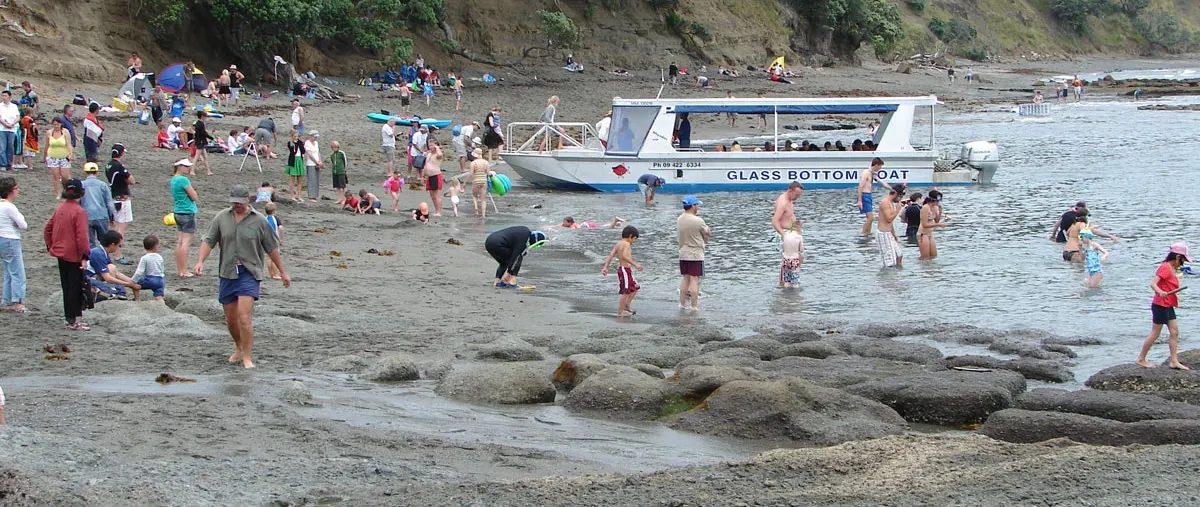
A marine landscape close to Leigh
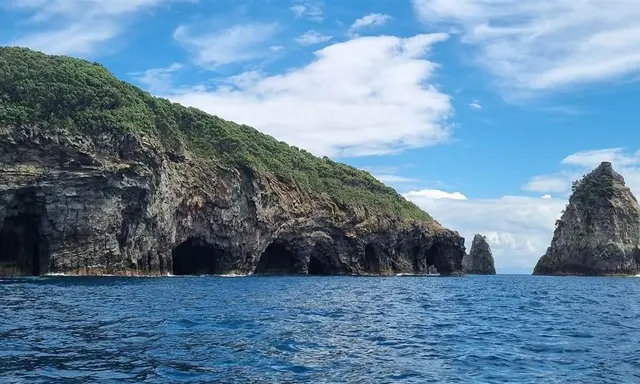
Cape Rodney–Okakari Point Marine Reserve, widely associated with Goat Island, offers a northern Auckland coastal stop focused on what lies beneath the surface. DOC identifies swimming, snorkelling, diving, kayaking and beach walking among the ways to experience it. The choice between them should reflect conditions and the abilities of the guests.
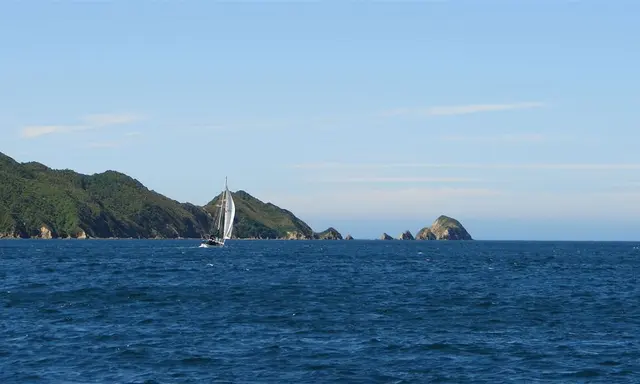
The reserve extends along the coast between Cape Rodney and Okakari Point and includes the waters around Te Hāwere-a-Maki/Goat Island. Its value for a yacht itinerary is an opportunity to spend time with a protected marine ecosystem. It is not evidence that a yacht can use any chosen beach, berth or anchoring position.
See the reserve as a living study
The University of Auckland’s Leigh Marine Laboratory sits beside the reserve and studies how a marine ecosystem functions without harvesting. That connection gives the site a scientific dimension as well as a recreational one. Visitors should leave any research equipment undisturbed, even if its purpose is not immediately obvious.
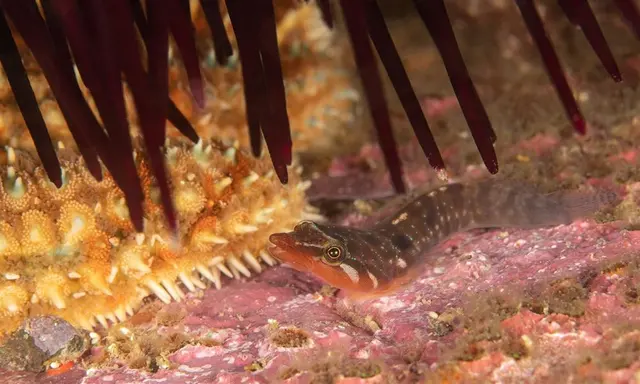
DOC describes seaweed forests, sponge gardens and the creatures of the rocky shore beneath the waves. Looking at the relationship between those habitats can be more rewarding than concentrating on a single anticipated fish encounter. The protected setting supports observation, while individual sightings and visibility remain variable.
Keep a dry-land alternative
The Goat Island Discovery Centre offers an option for understanding the marine environment without entering the water. DOC points visitors towards its explanation of how monitoring the reserve has helped document changes in marine life. This gives a mixed-ability party a shared theme even when not everyone wants to snorkel.
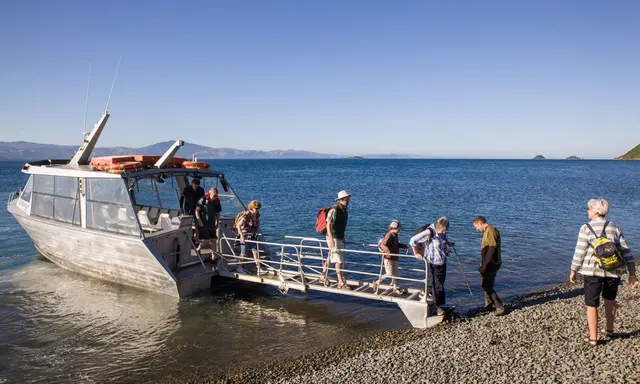
A beach walk can also become part of the visit if conditions and access permit. For a party arriving from a yacht, the practical question is how the water and shore activities fit into an agreed transfer plan. The existence of a visitor centre does not establish a tender landing, parking arrangement or opening time for the chosen day.
Conditions decide the water programme
DOC gives a specific warning about east and north-east winds and swell, and emphasises that even calmer conditions can be unsafe. Its safety guidance should be read in full before planning a swim or dive. A surf forecast’s colour rating is not a substitute for assessing suitability for those activities.
Qualified local advice can help the yacht’s team decide whether a proposed activity matches the group and conditions. Guests should be able to choose the Discovery Centre or a shore-based programme without feeling that they have missed the essential experience. Understanding the reserve can remain the purpose of the day even when the sea programme changes.
Recognise the cultural setting
DOC’s cultural account explains Te Hāwere-a-Maki’s importance to Ngāti Manuhiri and its connection with earlier settlement and the Moekakara waka. The island and surrounding waters carry meanings beyond their modern visitor names. Reading that history adds depth to a place sometimes approached only as a convenient snorkelling beach.
The reserve prohibits taking, damaging or disturbing marine life and natural material, and fish should not be fed. Boats and equipment also need attention to prevent the spread of marine pests, including exotic caulerpa. A well-planned visit combines those responsibilities with time to observe, rather than treating a protected area as a backdrop for collecting or handling wildlife.