Two different experiences on the Kapiti coast
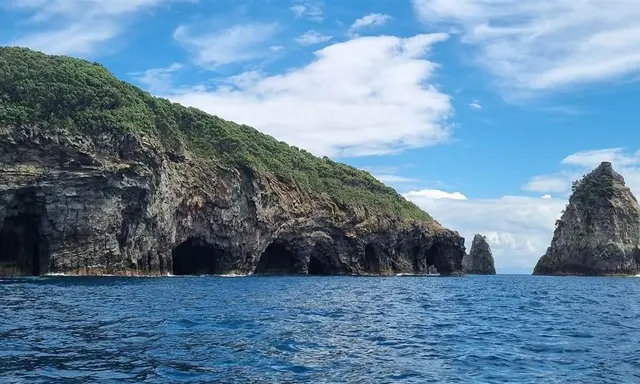
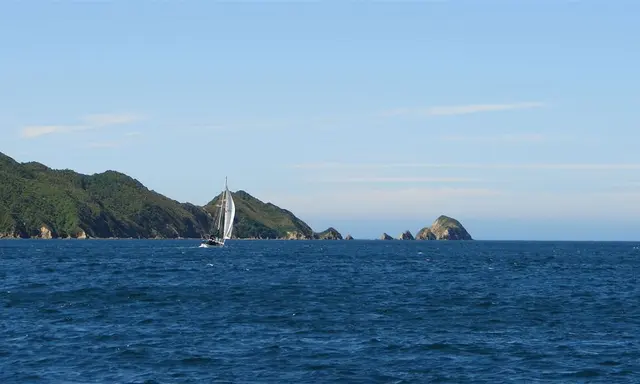
Kapiti offers a yacht itinerary two distinct ways to encounter New Zealand’s wildlife: the protected marine environment between the coast and island, and the bird sanctuary ashore. They require separate planning. A private boat’s presence in the surrounding waters does not provide permission to land in the nature reserve.
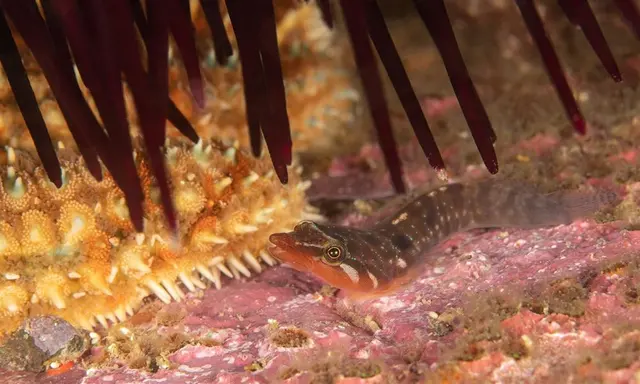
DOC identifies blue moki, kingfish, seals and dolphins among the marine life associated with Kapiti Marine Reserve. Its eastern and western protected areas contain different seabeds and habitats, making this a place to observe a living coast rather than assume every bay offers the same underwater experience.
Look beneath the surface
The official account describes soft sediments with burrowing crabs and sea cucumbers, seaweed beds sheltering fish and rock lobster, and deeper rocky reefs covered in sponges. Rhodolith beds add another habitat. These rounded forms of coralline algae support a different community from the more visible rocky shore.
The meeting of warmer and colder currents helps explain the mixture of species found here. For guests considering a dive, a local qualified operator can match conditions and ability to a suitable plan; the existence of named dive features such as Hole-in-the-Wall does not establish that a particular day is appropriate.
Book the island through its authorised operators
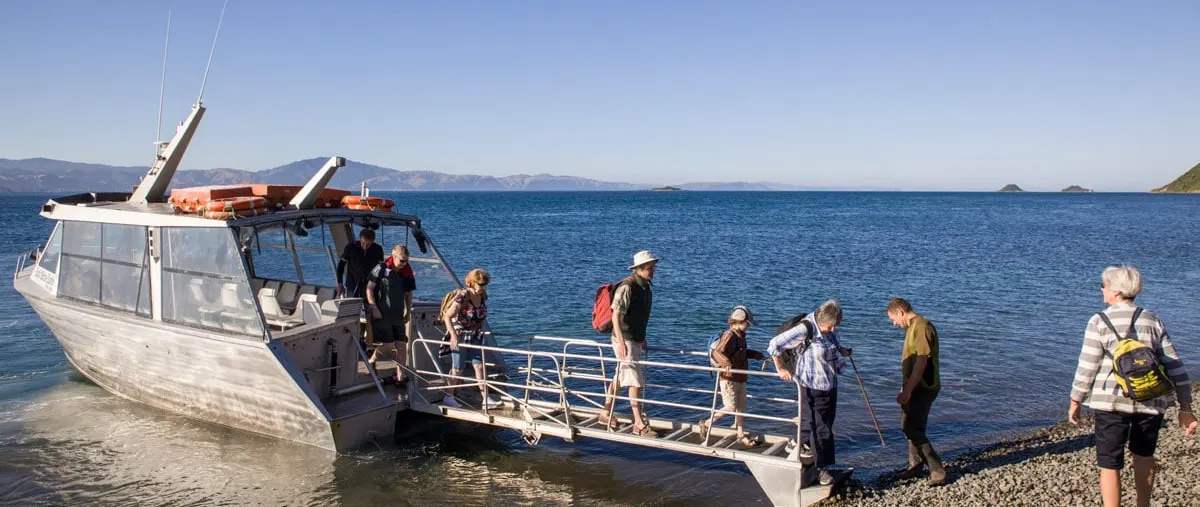
Kapiti Island Nature Reserve is reached through approved tourism operators, with a permit required for the visit. DOC explicitly prohibits landings from private boats. Yacht guests who want to see the island should arrange the authorised trip separately rather than expect their own tender to serve as the transfer.
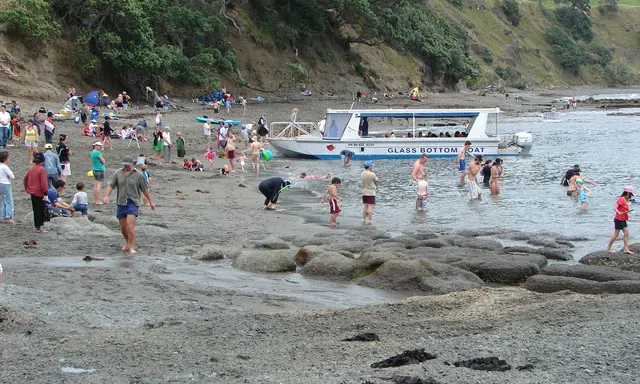
The published departure point is Kapiti Boating Club at Paraparaumu Beach, and trips depend on the weather. The operator should confirm the day’s departure and return arrangements. An island excursion therefore deserves its own time allowance within a wider coastal itinerary, rather than being added at the last moment.
Give the forest time
Kākā, kōkako, takahē and hihi are among the birds identified in DOC’s island description. Tracks pass through forest, while the higher route to Tuteremoana offers a more demanding option with broad views. Choosing the walk around the party’s mobility leaves time for observation instead of making the highest viewpoint compulsory.
Visitors receive an introductory talk after landing and should keep to marked tracks. Bags and food need to be kept away from inquisitive weka and kākā, and wildlife must not be fed. Those details allow a close encounter with a sanctuary without making the animals part of a staged performance.
Prepare for a day that stays flexible
DOC asks visitors to bring their own lunch, drinking water, sturdy footwear and clothing for changing conditions. Bags are checked for pests and plant material before boarding, so cleaning footwear and sealing supplies belongs in the preparations before leaving the yacht or hotel. There is no entitlement to collect natural material from the island.
The sea around Kapiti is known for strong tidal effects and rapidly changing weather, while the marine reserve prohibits fishing and removal or disturbance of marine life. Keep the water-based plan and the authorised shore visit distinct, and confirm each with the relevant operator. That approach lets the coast’s underwater habitats and the island’s birds provide complementary experiences.