A protected seascape at Queen Charlotte Sound
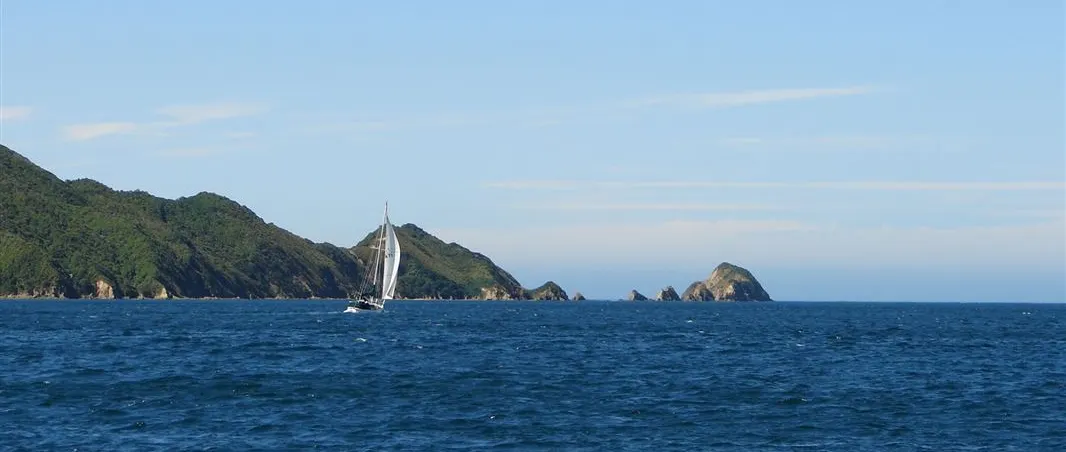
Long Island–Kokomohua Marine Reserve offers a Marlborough Sounds itinerary a stop focused on reefs, underwater life and the shape of the islands. DOC describes access by private or charter boat. The approach belongs within a properly planned passage through Queen Charlotte Sound, with time allowed for conditions rather than a fixed transfer promise.
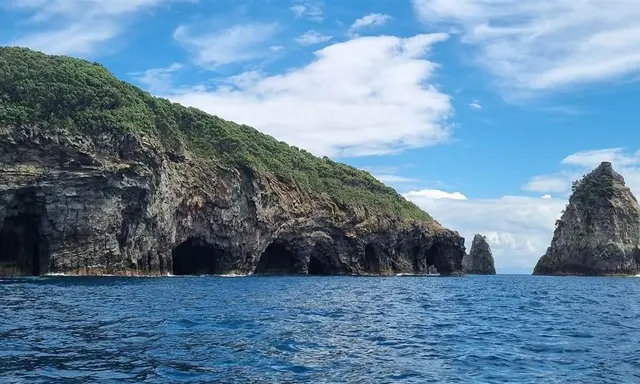
The reserve lies near the entrance to the sound, where Long and Kokomohua islands are connected by a largely submerged reef. That connection is central to the marine landscape. For guests looking from the yacht, the visible islands are only part of the formation that continues beneath the surface.
Reefs give the visit its character
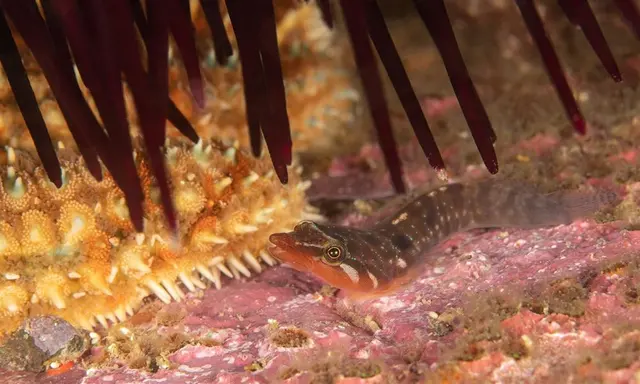
DOC identifies rocky pinnacles north-east of Kokomohua rising from deeper water towards the surface. Butterfly perch, tarakihi and rock lobster are among the species associated with this environment. Their presence explains the attraction for appropriately qualified divers, without guaranteeing an encounter or making the route suitable for every party.
Blue cod are another notable part of the reserve’s account, with DOC warning that inquisitive fish can bite fingers. Observation should therefore remain separate from handling or feeding. The interest of a protected underwater environment is better served by leaving animals to behave naturally than by trying to provoke a close interaction.
Keep shore access separate from visiting the reserve
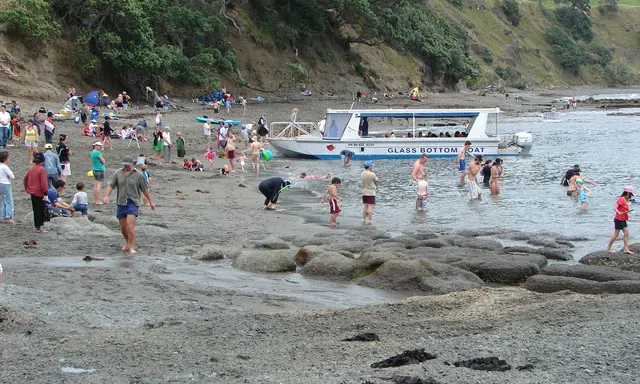
DOC discourages landing on Long Island and says it is for emergencies without prior approval. There are no jetties on the island, and Kokomohua has no easy landing sites. A visit to the marine reserve should therefore not be sold to guests as an unrestricted beach picnic or casual island walk.
If a shore component is essential, permission and a suitable arrangement must be established in advance. The published access information is not an assurance that a tender can safely land at a particular point. An entirely water-based visit can be a coherent choice when the purpose is the reserve’s marine landscape.
The wider sound offers the overnight context
Picton is the principal departure point identified in DOC’s information for boat services on Queen Charlotte Sound. The department also lists campsites elsewhere around the sound for people travelling in different ways. These are wider regional services, rather than accommodation or marina facilities provided within the marine reserve itself.
For a yacht party, that distinction helps keep the day’s activity and the vessel’s overnight arrangements separate. A captain can plan the visit around an established itinerary without assuming the reserve supplies a berth or shore services. The scenic stop gains from being treated as a specific experience within the sound.
Conditions and clean equipment matter
DOC warns of unmarked reefs, tidal changes and strong currents around the northern charted rock, while wind can quickly create choppy water. Those features require a passage and activity plan appropriate to the vessel and the people aboard. Neither a short distance on a chart nor a calm photograph establishes easy conditions.
The reserve prohibits taking or disturbing marine life and material, and regional biosecurity work addresses threats such as Mediterranean fanworm. Checking hull and equipment requirements before travelling helps protect the place being visited. With permissions and conditions settled, the reserve can offer a quieter, observation-led chapter in a Marlborough yacht holiday.