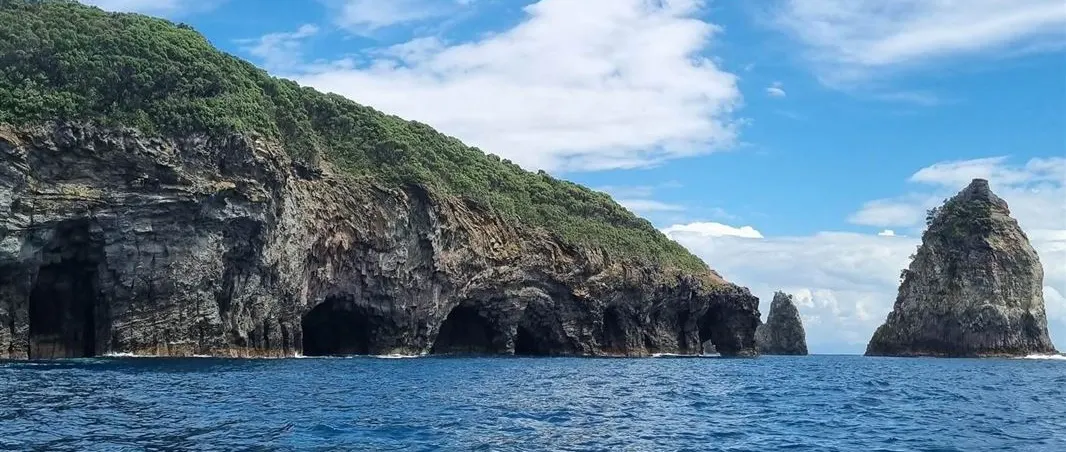
Volcanic History and Obsidian Heritage
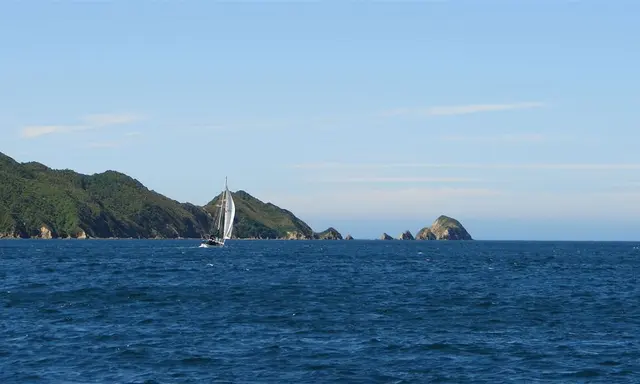
Tuhua Mayor Island is a volcanic island with a rich history of eruptions dating back over 120,000 years. The island is the summit of a volcano that rises from the sea floor, with the last eruption occurring approximately 6,000 years ago. Its most striking feature is the black obsidian, a natural glass formed by the rapid cooling of silica-rich lava. This obsidian was highly valued by early Māori for its use in tools and weapons.
The name Tuhua has a dual significance, referring both to the island itself and its valuable obsidian. The island was a significant source of obsidian, leading to its permanent occupation despite challenges such as limited water and arable land. The island's volcanic history and obsidian heritage make it a unique and important site in New Zealand's cultural and natural history.
Wildlife and Conservation Efforts
Tuhua Mayor Island is a wildlife refuge and has been protected since 1953. It is home to a variety of native birds, including bellbirds, tūī, wood pigeons, morepork, fantail, kākā, grey warbler, waxeye, kingfisher, and pied stilt. The island also serves as a safe haven for threatened bird species, with successful reintroduction programs for North Island robins, pateke (brown teal), and North Island brown kiwi.
Off the northern coast, the marine reserve brings shallow reefs and deeper water into the same protected seascape. Its lava columns, caves and boulders are distinct features of the submerged volcanic landscape, rather than facilities built for visitors.
Access and Visitor Guidelines
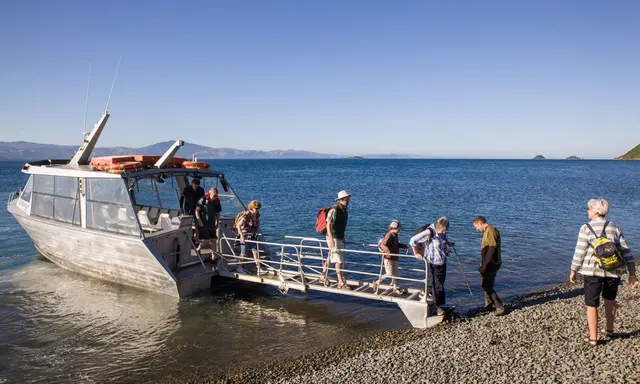
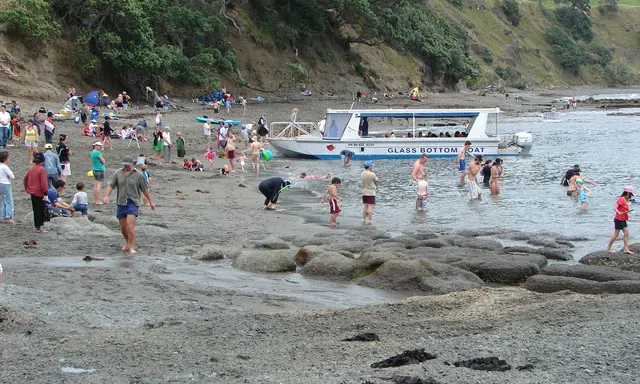
A landing must be arranged with the Tūhua Trust Board in advance and can take place only while the caretaker is resident. Visitors must use South East Bay, report to the caretaker and complete the quarantine process; luggage and equipment cannot be unloaded without permission.
DOC places the island 35 kilometres from Tauranga Harbour’s entrance and notes the exposure of the northern reserve. A captain must assess the passage and conditions for the particular yacht, while a guest’s interest in a shore walk does not establish landing permission or guarantee an available transfer.
Cultural Significance and Guardianship
Tuhua Mayor Island is the ancestral home of Te Whānau A Tauwhao ki Tūhua, who consider themselves the guardians of the island's resources. The concept of kaitiakitanga, or guardianship, is deeply embedded in Māori culture and is actively practiced by the Tuhua Trust Board. The Trust is committed to maintaining the island's natural character and ensuring the protection of its unique environment.
The Trust’s approach also includes manaakitanga, or hospitality, welcoming visits that have been agreed through the proper arrangements. The distinction matters for a yacht party: planning with the island’s guardians is part of the experience, and does not turn the island into a freely accessible beach stop.
Marine Reserve and Ecological Diversity
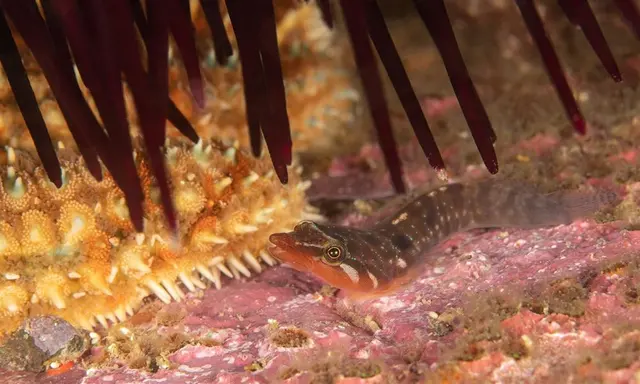
Beneath the surface, DOC describes a mixture of shallower reef and deep-water habitats, with kelp and other seaweeds covering the volcanic forms. The contrast gives a qualified local dive operator different environments to discuss with visitors, while the exposed setting calls for an itinerary that can change with conditions.
Kingfish and pink and blue maomao are among the species identified in the official reserve account. Fishing and removal of marine life are prohibited within the marine reserve; the separate restricted-fishing area outside it has different rules, so boundaries must be checked before an activity is planned.