An island shaped by restoration
Tiritiri Matangi offers a Hauraki Gulf shore day centred on birds, regenerating forest and a working lighthouse. Former pasture has been replanted and unwanted predators removed, allowing native species to return. For a yacht party, the interest is the relationship between that restoration and the living island encountered on foot.
The Department of Conservation manages the island with the Supporters of Tiritiri Matangi community group. Its open-sanctuary character makes conservation visible within a day visit, while the island also retains Māori and European histories. It should be approached as a place with several stories, rather than simply a viewpoint north of Auckland.
Choose the walk around the day
The Wattle Track links the wharf and lighthouse through planted and remnant bush, with a published walking time of about forty minutes one way. Tūī, saddlebacks and bellbirds are among the birds commonly associated with this route. Its steps are worth considering when planning for children or anyone with limited mobility.
The Kawerau route climbs through older bush and includes boardwalks and further steps. Longer combinations extend towards the island’s eastern side, with more substantial fitness requirements. The published Hobbs Beach Track notice also describes a partial closure and low-tide detour, so a return route should be checked against current conditions rather than assumed.
Plan the arrival for the right type of vessel
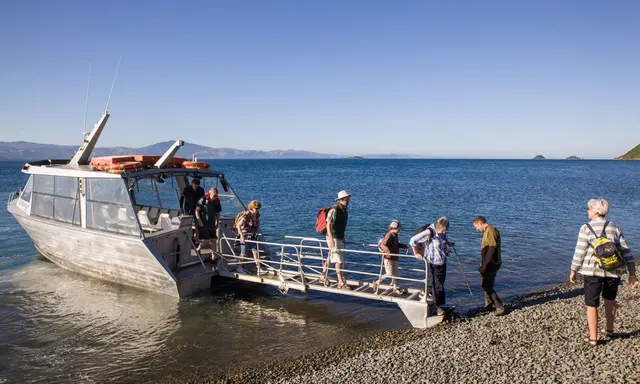
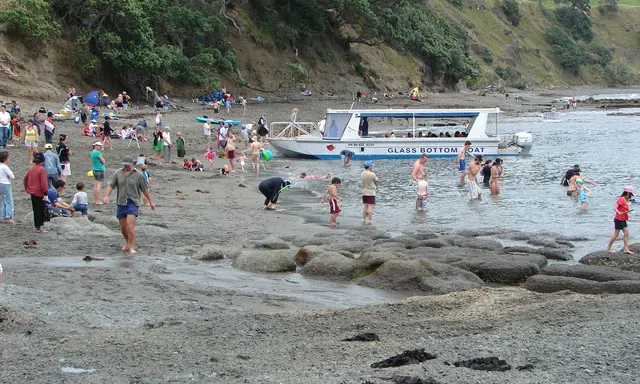
DOC permits private boats and kayaks to visit and identifies Hobbs Beach on the western side as a landing option. That does not certify a berth, suitable anchorage or safe landing for every yacht and tender. The captain should establish the actual arrival and collection plan before the party leaves the vessel.
Commercial operations have additional requirements: a Pest-Free Warrant and, for vessels using the wharf, a landing permit. Guests booking a separate transfer should use an authorised operator and confirm the applicable arrangements. A public ferry timetable is a different service and should not be treated as a promise of private charter availability.
The protected coast continues below the water
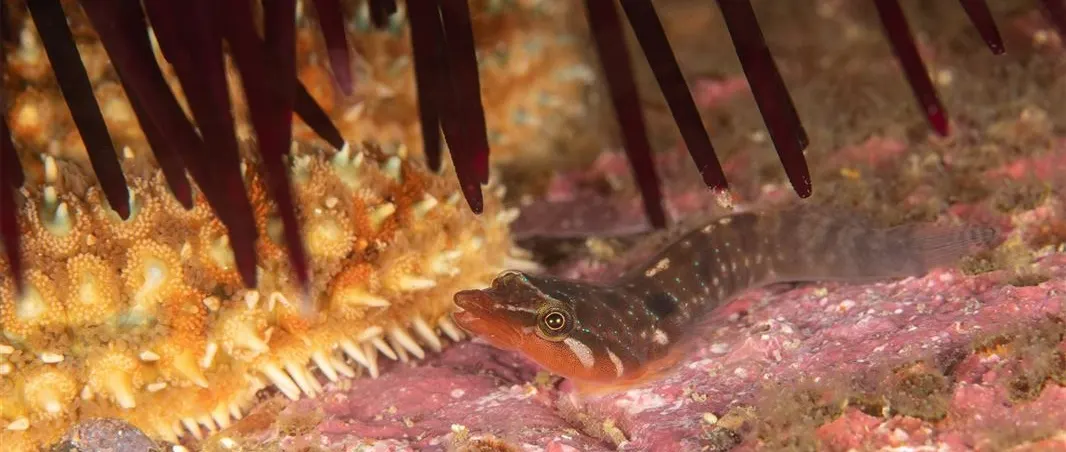
The surrounding high protection and seafloor protection areas include kelp-covered reefs, horse-mussel beds, jewel anemones and a broad range of fish. Their boundaries and permitted activities differ, so an older chart or a general assumption about fishing is insufficient. DOC’s current area maps and rules provide the relevant starting point.
The marine account connects the island’s seabirds with the wider food web, from nutrients entering the water to smaller organisms and larger fish. That gives a snorkelling or shoreline visit context beyond a species checklist. Conditions and individual ability still determine whether going into the water is appropriate on the day.
A quiet visit needs preparation
There is no food for sale on the island, although the visitor-centre shop may offer cold drinks during ferry visits. Bring the party’s own lunch and drinking supplies, and check boats, footwear and bags for pests, seeds and soil. Dogs are prohibited, and rubbish must leave with visitors.
Keep to the tracks, avoid feeding wildlife and do not use recorded or imitation bird calls. The historic lighthouse and forest paths provide enough interest without trying to draw birds closer. Leaving time to stop and listen is a more suitable way to experience the sanctuary than filling the day with fixed encounter promises.