The people behind a celebrated watch design
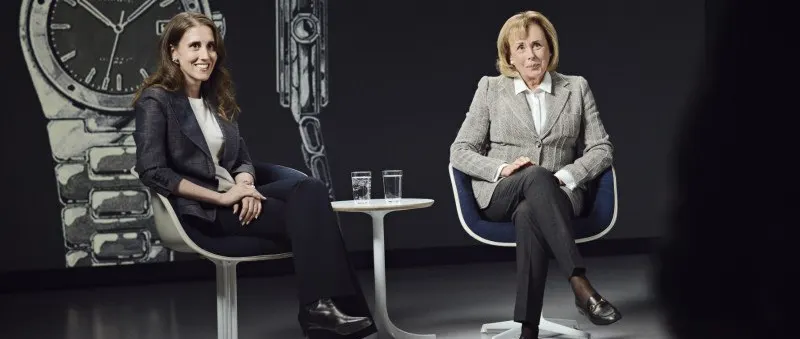
IWC Schaffhausen has published a conversation with Evelyne and Alexia Genta, the wife and daughter of watch designer Gérald Genta, to mark fifty years of the Ingenieur SL. The watch, introduced in 1976, helped define an era of integrated-bracelet steel sports watches. By inviting family members to discuss the designer, IWC gives collectors a view that is different from technical specifications or auction results.
The interview's value lies in personal recollection rather than a claim that every historical question has been settled. Watches are objects made through design and engineering, but they also carry the habits and tastes of the people involved. Family perspectives reveal why a designer might choose a particular line or proportion, even when the final product looks effortless.
Genta thought of himself as an artist
According to the interview, Genta approached watch design as a branch of his wider artistic practice. He worked through shapes, balance and strong outlines, using a compact mechanical object as a place to explore broader visual ideas. The Ingenieur SL is a compelling example because its identity depends on the uninterrupted relationship between the case, bezel and bracelet.
Understanding the design as sculpture in miniature changes how a watch can be appreciated. The eye moves from one part to another, noticing how each transition affects the whole. A movement may be technically excellent, yet the silhouette is often what makes an object recognisable across a room or after decades of changing fashion.
Family collaboration and archival care
Evelyne Genta worked alongside her husband, while Alexia has continued to support the preservation of his creative legacy. Together they founded the Gérald Genta Heritage Association. That work helps researchers and enthusiasts explore the original designer rather than allowing his name to become merely a marketing shorthand applied to later products.
Archives can be just as important as surviving watches. Sketches, correspondence and recollections help establish what an object was intended to be and how it was developed. For collectors, such records provide context without necessarily establishing a specific resale value. The IWC interview adds an accessible human dimension to this kind of documentation.
An exacting sense of harmony
The family recalls that Genta's attention to proportion extended into everyday life. Whether arranging clothing or looking at objects on a breakfast table, he sought visual coherence and disliked details that felt out of place. The stories suggest a personality for whom composition was not reserved for office hours but part of ordinary observation.
Such habits are revealing because successful industrial design often depends on many small decisions that casual observers overlook. A bracelet link may look simple until its profile is changed, just as a bezel can dominate or soften the appearance of a case. Genta's disciplined preferences help explain why his creations continue to attract interest.
The Ingenieur fifty years later
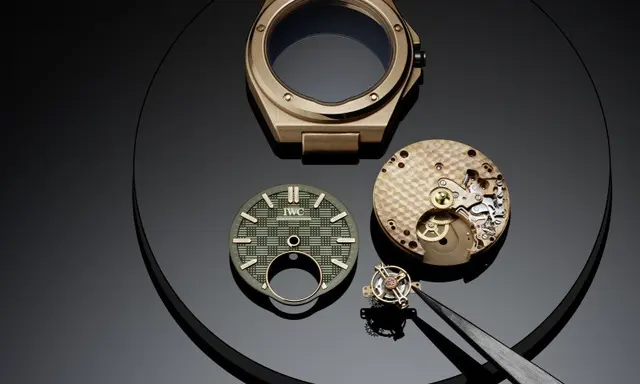
The 1976 Ingenieur SL, reference 1832, is remembered for its integrated bracelet and a confident stainless-steel appearance. IWC has returned repeatedly to elements of that visual language, including a patterned dial, strong bezel and integrated case shape. Contemporary watches use updated movements and refinements, so they should not be confused with identical reproductions of the original.
An anniversary is an opportunity to examine continuity without ignoring change. New technology, different case dimensions and modern production processes all affect the feel of a watch. What persists is the underlying ambition to create an object with a distinctive and internally consistent identity.
Why the interview matters to collectors
Watch collecting can become preoccupied with prices, edition sizes and mechanical numbers. Personal testimony redirects attention toward design intent, collaboration and the cultural environment in which an object was made. Genta's influence is particularly suited to this approach because his name is associated with several enduring ideas about luxury sports-watch design.
The confirmed subject is IWC's family interview and its relationship to the Ingenieur's fiftieth anniversary, rather than a new model launch or a prediction about the market. For readers who enjoy exceptional design, the conversation shows how a small wearable object can preserve an artist's outlook long after its original release.