Cinema becomes a cocktail inspiration
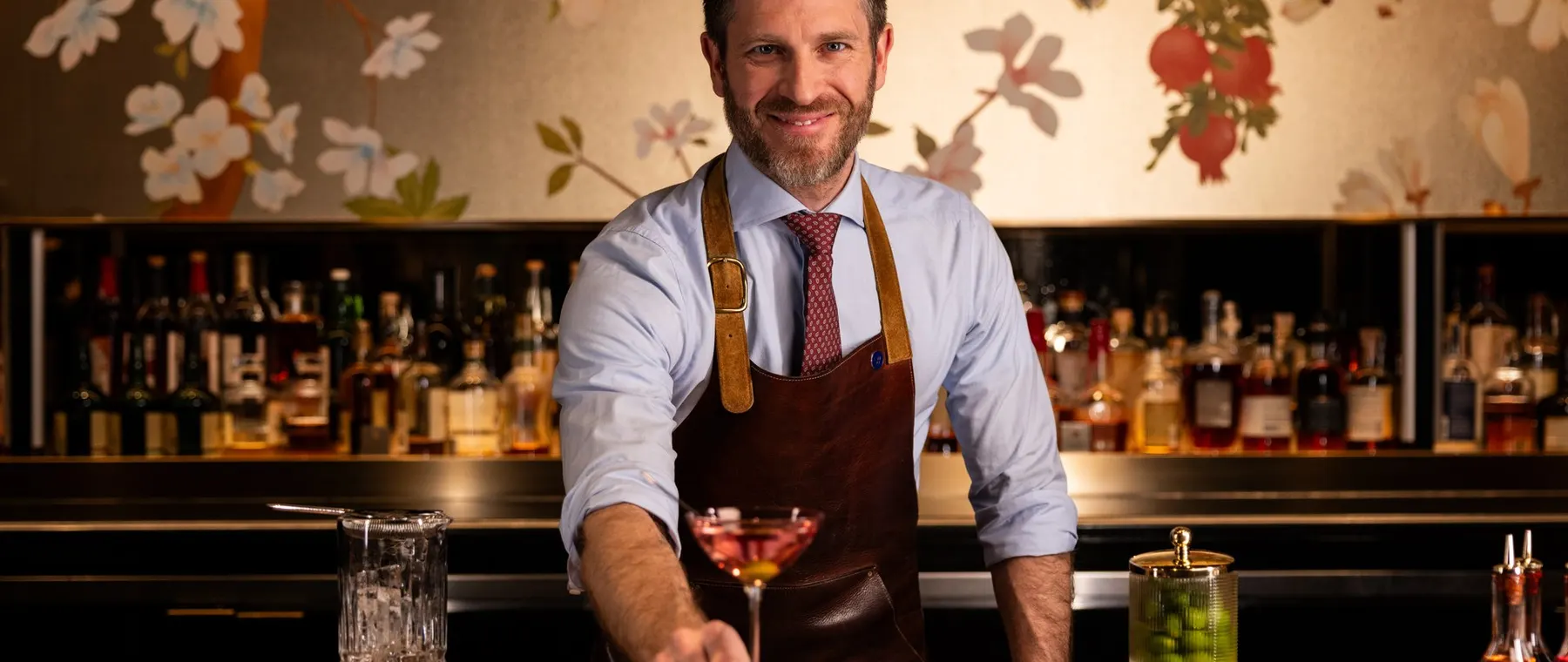
Waldorf Astoria introduced The Devil's Martini in April 2026 as a hospitality collaboration linked to the film The Devil Wears Prada 2. Created with acclaimed mixologist Jeff Bell, the crimson cocktail was presented at Peacock Alley in Waldorf Astoria New York, making a connection between the city's film, fashion and hotel cultures. It was a promotional experience built around a particular cultural moment, not the opening of a new bar.
The drink has an unusually clear visual identity, but its interest goes beyond colour. Film-associated experiences can seem fleeting unless the elements make sense in their own right, and this collaboration used a setting already associated with New York society. For guests who enjoy cocktails, the story is partly about how a bar can turn an ephemeral screen reference into a carefully prepared drink.
An unexpected combination of ingredients
The official recipe uses Grey Goose vodka, Sakura vermouth and hibiscus flower extract, producing a vivid red result. A preserved young peach, known as Wakamomo, serves as the garnish. Together those details give the recipe its floral character and a distinctive point of difference from a conventional dry martini.
A thoughtful cocktail should make sense to the palate, not merely to a camera. The choice of vermouth, botanical notes and garnish needs to work as a balanced drink, with presentation supporting the flavour. Customers should remember that variations in preparation can alter a recipe, and the best guide to a bar's version is the bartender serving it.
Peacock Alley provides a recognisable setting
The restored Waldorf Astoria New York retains Peacock Alley as an important public space, recalling a history of arrivals, meetings and social gatherings. Fashion and hotels have long overlapped in the city, from editorial gatherings to private events. A cocktail inspired by a film set in the fashion industry therefore fits the location more naturally than it might in an unrelated venue.
The bar's setting also gives visitors reasons to linger beyond ordering one themed drink. Interior design, conversation and the rhythm of attentive service contribute to the experience. Those less tangible qualities help distinguish a memorable hotel bar from a temporary marketing activation, even when the promotional drink itself eventually leaves the menu.
A programme extending beyond Manhattan
Waldorf Astoria also described selected US hotels taking part in the Devil's Martini collaboration. At the New York property, a special Devilishly Chic Getaway added fashion-oriented elements to an accommodation package, including personalised shopping arrangements. The project illustrates how a group can extend one creative theme from a beverage into wider hotel services.
Such offers should be viewed in their original publication context. An April collaboration does not guarantee that a given drink or room package remains bookable months later. Travellers should confirm current availability directly with each property rather than relying on earlier promotional material, particularly for limited experiences.
The fashion industry and grand hotels
Fashion houses, magazine teams and hotel designers often operate in overlapping social circles, making grand public rooms natural settings for launches and private conversations. That history gives an invitation-only event or a special cocktail more meaning than the presence of a film poster. A well-known hotel can support the occasion through its staff, spaces and established reputation.
From an editorial perspective, the most interesting question is how lasting an experience can be after the publicity has passed. Original recipes may remain in a bartender's repertoire while the official promotion ends. The hotel's brand identity and the professionalism of the team will ultimately matter longer than the film association.
Where the luxury lies
A visitor is likely to remember the colour of the glass, the unusual peach garnish and the way the cocktail arrived at the table. Those details can define an evening even when the occasion is modest compared with a suite or a formal tasting menu. Luxury often becomes credible when small moments are handled consistently rather than described with extravagant claims.
The verified story is the April introduction of The Devil's Martini, its ingredients and the connection with Waldorf Astoria's hotel programme. It is not a fresh October product launch, and the menu's present availability requires checking. As an example of fashion-inspired hospitality, however, it remains an illuminating case of design and storytelling in a historic New York setting.