An afternoon tea rooted in a real garden
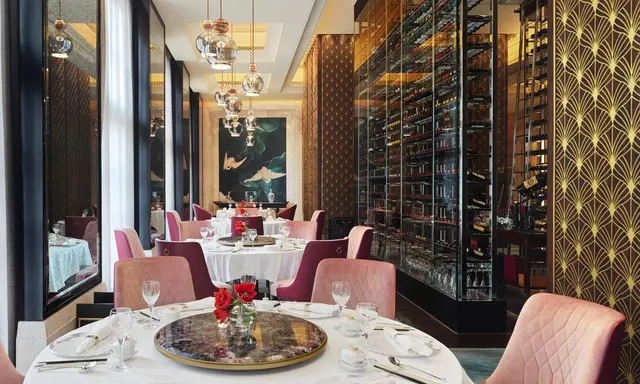
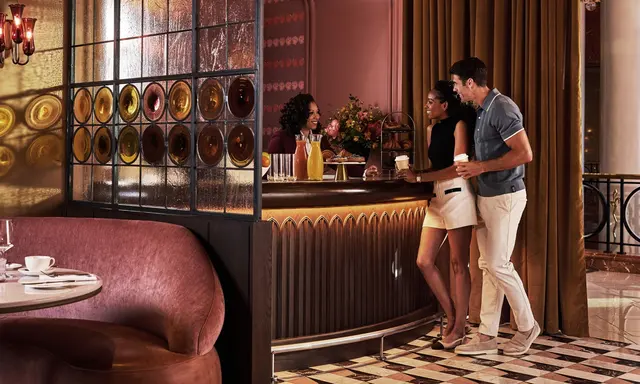
Rosewood Amsterdam has developed A Living Palette, an afternoon tea at The Court inspired by the hotel's courtyard garden known as De Tuin. Introduced in April 2026, the programme references the changing character of planting designed by Piet Oudolf. It is intended to give the food a sense of place instead of relying entirely on an imported English afternoon-tea formula.
The garden is an effective starting point because an afternoon tea is a series of small tastes, colours and textures rather than one dominant plate. It offers room for subtle references to flowers and foliage without making the food a literal imitation of a landscape. The quality of the dishes must still stand apart from their decorative concept.
Sieng's pastry background
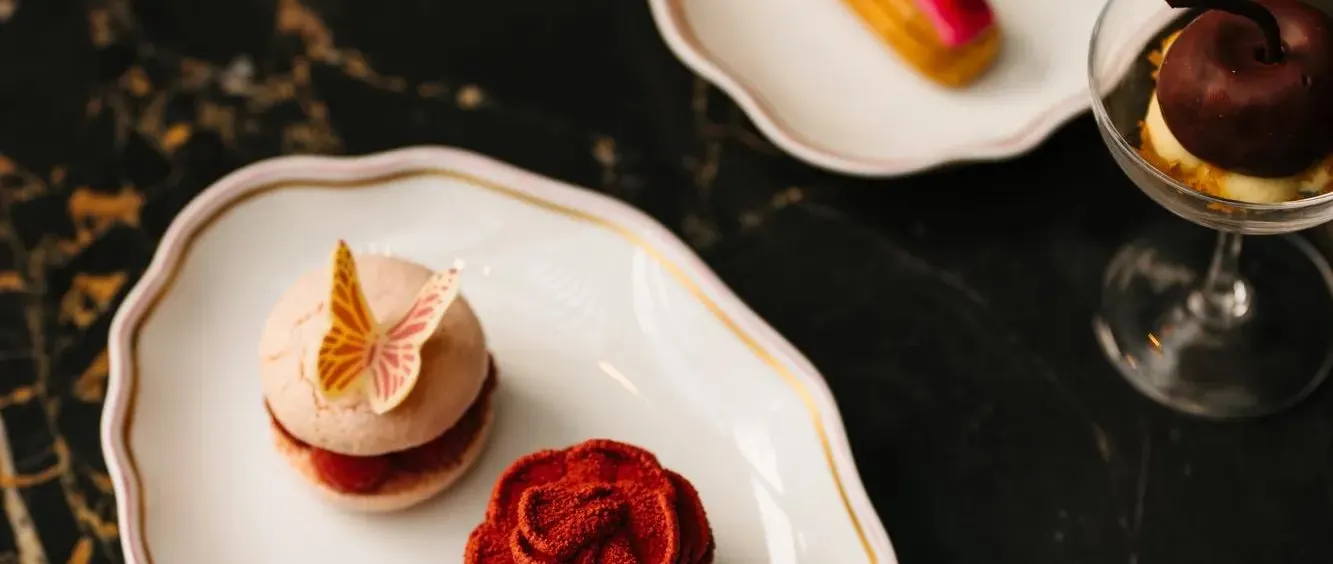
Executive pastry chef Sonara Sieng leads the creative work, building on experience at Rosewood Phnom Penh. A pastry chef in this setting balances technical presentation against the realities of a seated tasting, where several sweets arrive in sequence. Precision matters in small portions, where an excess of sugar or a weak texture is especially noticeable.
An appealing selection should have a beginning, middle and ending. Contrasts between acidity, richness and crispness help keep the palate interested. Rosewood's approach uses garden associations to connect the courses, but the stronger culinary achievement will be found in how the flavours relate to one another.
A Dutch savoury opening
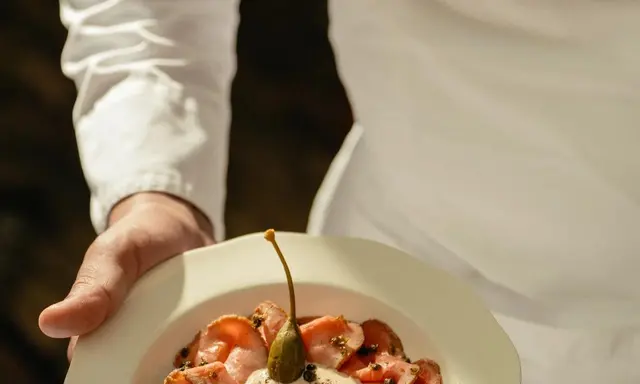
The hotel lists a marigold egg sandwich with Oscietra caviar, smoked Dutch eel served on brioche and steak tartare on a crisp shiso leaf. Those combinations introduce local ingredients through techniques and accompaniments drawn from different cuisines. The eel provides a direct connection with Dutch food, while the caviar signals the more indulgent side of the service.
Beginning with savoury dishes also makes sense in a multi-stage afternoon experience. The soft bread, crisp leaf and smoked fish offer quite different sensations, allowing the sweets to arrive with a fresh contrast. Guests with food allergies or dietary requirements should confirm the current selection rather than assume every component can be substituted.
A bridge through scones and tea
Fresh scones with clotted cream and seasonal jam sit between the savouries and final pastries. The announcement also describes a blackcurrant-and-hibiscus element, adding a bright and aromatic note. Tea is not merely a supporting drink in this format; its strength, fragrance and serving temperature can change the way a pastry tastes.
Visitors may find it rewarding to try a different infusion with successive courses, though the hotel's current selection should be checked when booking. Since the concept is seasonal, it is reasonable to expect particular pastries and garnishes to evolve. That variation makes the garden theme more credible than an unchanging display year after year.
What the setting contributes
Rosewood occupies a historic former civic building in Amsterdam's canal district, and De Tuin provides an unexpectedly quiet internal perspective. Piet Oudolf's planting is associated with texture and seasonal form, including moments when plants are not at their brightest bloom. That approach has more subtlety than simply matching every pastry to a colourful flower.
A hospitality experience tied to its setting can make a short city break more memorable. Guests might notice the relationship between the garden and the menu before returning to museums, galleries and canals outside. The essential distinction is that the afternoon tea belongs to this particular property rather than being a standard hotel offering transplanted elsewhere.
Booking and the story's relevance
The hotel announced weekend afternoon tea beginning at two o'clock, with advance reservations recommended. The menu and available dates need confirmation, especially because the launch took place earlier in 2026. An original press statement should not be treated as a promise that each dish will remain unchanged throughout the year.
The news illustrates how a chef and landscape designer's work can be brought together in a practical hospitality format. The result is a culinary experience that gives visiting guests another way to understand Amsterdam's creative culture, provided its execution remains as thoughtful as the initial idea.