A dining room finds a new rhythm
Eeuwen at Rosewood Amsterdam has introduced a revised menu under chef David Ordóñez, mixing ingredients from the Netherlands with preparations associated with the Mediterranean. The change is intended to create a more relaxed dining rhythm that can suit lunch, sharing plates or a longer evening. It is a revised culinary direction within the existing hotel restaurant, not a newly opened address.
That difference can matter to repeat guests. A room may look familiar while the ways dishes are shared, drinks are offered and meals are paced change considerably. The strongest restaurant updates retain a clear sense of their location instead of replacing local cooking with a generic international selection.
Seafood and seasonal produce first
Zeeland oysters and Dutch cod form part of the menu's regional identity, with seasonal vegetables including asparagus adding variety. Those ingredients provide the kitchen with a distinct starting point, even when the dishes borrow methods from other European coasts. Sourcing and handling are especially important for seafood because its quality can change rapidly.
A menu grounded in seasonal supplies should be expected to evolve. Diners may encounter different fish or vegetables at another point in the year, and such changes need not mean the kitchen has abandoned its approach. The aim is to use techniques to develop good ingredients rather than cover them with heavy embellishment.
Mediterranean techniques take the stage
The announced dishes include sepia alla Luciana, a slow-cooked preparation of squid with Italian roots, alongside grilled meats, seafood and plates designed for sharing. Such cooking relies on timing and the careful development of flavour rather than complicated surface decoration. It also fits naturally with an evening in which guests want to order several things for the table.
Different preparations create contrasts between slow-cooked tenderness and the fresher textures of quickly cooked fish or vegetables. The restaurant's choice of a flexible format lets guests decide whether to build an informal meal or follow a more conventional sequence. A well-informed service team can help keep the overall selection balanced.
Aperitivo changes the early evening
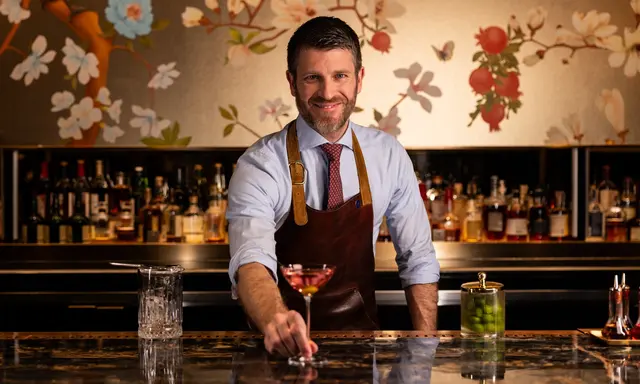
Eeuwen has developed a drinks programme around citrus, herbs and seasonal produce, including flavours associated with rhubarb and dill. Wines from southern Europe broaden the connection with Mediterranean dining. The resulting aperitivo offer gives travellers and Amsterdam residents a reason to visit even when they are not planning a full restaurant meal.
A successful pre-dinner drink should stimulate curiosity without overwhelming the food that follows. Careful portions, lighter flavour structures and a selection of small plates can support that mood. The restaurant's challenge is to make this feel like a natural extension of its culinary identity rather than a separate marketing event.
Several settings within one hotel
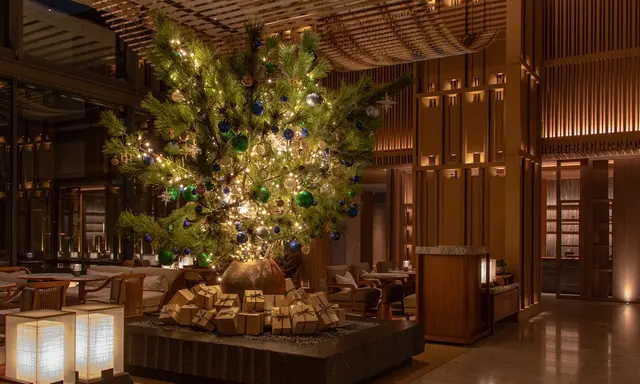
The property can offer terrace dining in appropriate weather, a chef's table close to the kitchen and conventional restaurant seating. Dedicated lunch and pre-theatre arrangements provide other reasons to visit. These choices matter in a city where travellers may structure their days around cultural events rather than a single formal dinner.
A hotel restaurant is often at its best when local people also want to eat there. The use of regional ingredients and a sociable menu can help Eeuwen develop a distinct Amsterdam audience. Guests staying in the former Palace of Justice building gain an additional link with the surrounding neighbourhood.
The purpose of a refreshed menu
The verified development is a Dutch-Mediterranean menu from chef David Ordóñez and a complementary drinks programme. Specific dishes and prices may change after the original announcement, so visitors should consult the current menu and booking information. No promise of permanently identical plates is implied by the release.
For travellers who judge a luxury stay partly by its food, Eeuwen offers a useful example of a restaurant connecting the city and the wider culinary world. Its success will depend on the produce, cooking and hospitality experienced at the table, not simply the attractiveness of the concept.