Four Seasons Hotel Osaka has received Green Key environmental certification, adding a recognised external assessment to the property's approach to luxury hospitality in Japan. The hotel's announcement, dated 13 October 2026, describes efforts involving energy use, responsible water management, recycling, food waste, local sourcing and the reduction of single-use plastics. The certification is significant because it is assessed against published criteria rather than being solely a self-description of environmental ambition. It is not, however, a measurement showing that the hotel has no environmental impact. For international travellers whose holidays combine urban stays with yacht cruising, the development offers a reason to look beyond architectural polish when choosing accommodation. The question is how a luxury property supports comfortable service while managing the resources and materials on which that experience depends.
What Green Key recognition actually signifies
Green Key is an international environmental certification programme for hospitality and related establishments. The scheme applies defined criteria and incorporates independent evaluation, giving travellers a framework for assessing aspects of an operator's environmental management. A certification is not the same as a precise carbon footprint or guarantee that every purchase is sustainable. The Four Seasons Osaka statement does not provide a comprehensive audit report or independently verified emissions figures for the building. Its achievement should therefore be described accurately: the property met the requirements for Green Key recognition at the time of assessment and is subject to continuing evaluation. This distinction is essential to responsible luxury journalism. A hotel may make progress in several practical areas while still relying on resource-intensive facilities, air travel by guests and complex global supply chains. Recognition should encourage scrutiny and improvement rather than close the conversation.
Energy management in a contemporary city hotel
The Osaka hotel says it uses energy-efficient systems to monitor and reduce consumption. This is a particularly relevant part of urban hospitality because a high-rise property must provide heating, cooling, hot water, ventilation and lighting throughout the day. Guest comfort should remain dependable, but intelligent building operations can help prevent unnecessary consumption in areas not being used. The official statement does not publish a numerical reduction in kilowatt-hours or a baseline against which readers can calculate savings. Any claim that energy use has dropped by a specific percentage would therefore be unsupported. Travellers can nevertheless consider whether a hotel treats energy management as a matter of ongoing operation rather than only a marketing theme. Maintaining equipment, training staff and reviewing consumption over time are often as important as installing more efficient technology initially.
Water use and responsible operations
Water management is another programme cited by Four Seasons Osaka. In hotels, water is used for guest rooms, kitchens, laundry, housekeeping and sometimes wellness facilities. Responsible operation requires attention to supply and waste, as well as keeping the experience hygienic and comfortable. The announcement does not specify the hotel's daily water consumption or describe every engineering system, so comparisons with competing properties cannot be made from the release alone. A useful environmental approach is grounded in measurable procedures and continuing monitoring, not claims that guests can enjoy unlimited luxury at no resource cost. This applies equally to privately operated yachts, whose freshwater production and storage influence crew routines and technical operating costs. An urban hotel has different infrastructure, but the underlying necessity of understanding resource demand is shared.
Reducing single-use plastics
The property's release notes the removal of single-use plastic water bottles and bathroom-amenity packaging from relevant operations. That is a visible change that guests may notice, and it reflects the broader effort by premium hospitality businesses to reconsider disposable items. Yet one material substitution can have different environmental implications depending on manufacturing, transportation, recycling and actual patterns of use. A refillable container is valuable when supported by appropriate cleaning and maintenance; it should not be regarded as inherently impact-free. Four Seasons Osaka also highlights recycling programmes and a structured approach to waste. The practical quality of these measures depends on staff training and the infrastructure available locally. Guests can appreciate the effort without assuming that all hotel waste has been eliminated. The most credible approach is continued improvement supported by verifiable operating evidence.
Food waste and the luxury dining challenge
High-end hotels are expected to provide choice, quality and attractive presentation, often through several restaurants and private dining arrangements. That creates the possibility of food waste if procurement and production are poorly matched to demand. Four Seasons Osaka identifies food-waste reduction as part of its environmental efforts. The statement does not disclose the volume of food saved or the individual kitchen practices behind the programme, so those details should not be invented. Nevertheless, better forecasting, appropriate storage and thoughtful menu planning can support quality while reducing unnecessary disposal. Luxury should not require waste for its own sake. Diners may find that a carefully considered seasonal menu creates a stronger sense of place than an oversized selection. The relationship between hospitality excellence and material stewardship is not simple, but managing it seriously is a sign of professional operation.
Seasonal and local ingredients
The hotel says it works with local partners and uses homegrown seasonal ingredients as part of its responsible purchasing policy. It also refers to vegetarian and vegan selections, providing guests with options shaped by different dietary choices. Local sourcing should not automatically be equated with the smallest possible environmental footprint because production methods and transport vary. Its value can also be cultural and commercial: a chef gains access to ingredients that express the region while supporting relationships with producers. The menu should still be assessed on taste, skill and clarity about ingredients, particularly for guests with allergies. For luxury yacht owners visiting Osaka before or after a wider Japanese itinerary, dining can become a way to understand local traditions without treating the city as an interchangeable international stop.
Japanese craftsmanship in the guest experience
Four Seasons Osaka places Japanese materials and craftsmanship within its interiors and retail offering. The hotel also promotes opportunities for guests to engage respectfully with local traditions. Such an approach can make an international brand feel connected to its location rather than simply reproducing the same visual language everywhere. A visitor should still distinguish a genuinely commissioned work from a generic decorative reference. Craftspeople have their own methods, histories and design intentions, which deserve recognition. A luxury hotel can contribute positively by commissioning responsibly, identifying makers and maintaining the work properly. The environmental dimension intersects with this cultural one: materials and objects that are cared for over time may offer greater lasting value than rapidly replaced decoration. No one measure captures the full picture, but together they can shape the integrity of an interior.
The role of the hotel's GENSUI experience
Four Seasons Osaka offers a distinctive Japanese-inspired accommodation concept through its GENSUI floor, drawing on the atmosphere of a contemporary ryokan. That existing hotel identity provides context for the sustainability announcement, though Green Key certification applies to the property and is not a separate approval of a particular guest floor. Travellers interested in traditional Japanese hospitality may value natural materials, attentive service and a calmer approach to space. Such experiences can be appealing alongside the busy commercial and cultural life of Osaka. However, an aesthetic associated with simplicity does not itself demonstrate environmental performance. The practical measures described in the certification announcement deserve separate attention. Luxury can be defined through quietness and quality rather than excess, but a visitor should judge whether the physical setting and service fulfil that promise.
An Osaka stop on a wider Asian journey
Osaka is a centre for business, gastronomy and cultural exploration, and a well-situated luxury hotel can provide a base for visitors travelling across Japan. Some LYG readers may combine Osaka with Kyoto, Tokyo or coastal cruising elsewhere in the region. This article is about the hotel's hospitality and environmental programme, not a claim that the building provides a private marina or specific yacht services. It is worth keeping those categories distinct. A yacht owner may value exceptional accommodation ashore while continuing to make separate arrangements for berthing, transport and technical support. The Green Key announcement adds another consideration to hotel selection, but the visitor's practical priorities remain relevant: location, privacy, room design, dining and the quality of assistance available from staff.
What responsible certification does not prove
A certification can offer reassurance that an operator has engaged with defined standards, but travellers should avoid using it as a complete ranking of hotels. The methods used by different programmes vary, and awards may cover specific types of practices rather than every dimension of environmental impact. Green Key recognition should be read alongside the hotel's own disclosures and any updated reports that provide measurable results. Travellers may also ask whether procedures are maintained over time, particularly as facilities change or suppliers are replaced. Four Seasons Osaka states that ongoing compliance is part of the scheme. That is important because sustainability is an operating discipline rather than a one-off event. Informed guests need neither dismiss certification as publicity nor accept it as proof of perfection. The reasonable approach is to regard it as one evidence-based consideration among several.
Lessons for luxury yacht operations
The subject has a wider relevance to luxury yachting because vessels also operate complex energy, water, maintenance and provisioning systems. A privately owned yacht faces different regulations, technical constraints and patterns of use from a city hotel, so Green Key criteria cannot simply be transferred to a vessel. Even so, the principles of monitoring, waste reduction, thoughtful purchasing and training can be instructive. Owners who already maintain accurate consumption and maintenance records may be better positioned to identify practical improvements without compromising safety or guest comfort. The objective should not be environmental claims without substantiation; it should be realistic stewardship of the resources needed for the experience. Hotel operators and yacht teams work in different settings, but both benefit when comfort is supported by competent management rather than unnecessary consumption.
A milestone requiring continuing evidence
The confirmed development is that Four Seasons Hotel Osaka announced Green Key certification in October 2026, citing initiatives in energy, water, waste, sourcing and local cultural engagement. Its current recognition can be reported, while numerical reductions or broader environmental outcomes should not be claimed without additional evidence. For LYG's luxury-lifestyle audience, the news illustrates a changing conversation about premium hospitality: beautiful rooms and attentive service remain important, but the way a property operates increasingly matters as well. The most persuasive measure of progress will be consistent practices and transparent reporting over time. Guests can appreciate the hotel's design, restaurants and Japanese character while keeping a clear understanding of what the certification establishes and what remains to be demonstrated.
Sources and image provenance: Four Seasons Hotel Osaka official Green Key release, dated 13 October 2026. Lead image: official Four Seasons Hotels and Resorts architectural photograph of the Osaka property, supplied through the hotel's downloadable press-image gallery. Resource-management interpretation is original Luxury Yacht Guide editorial analysis; no independently unverified numerical savings are asserted.
Sources and image credits
Reporting based on Four Seasons Hotel Osaka official Green Key certification release, dated 13 October 2026.
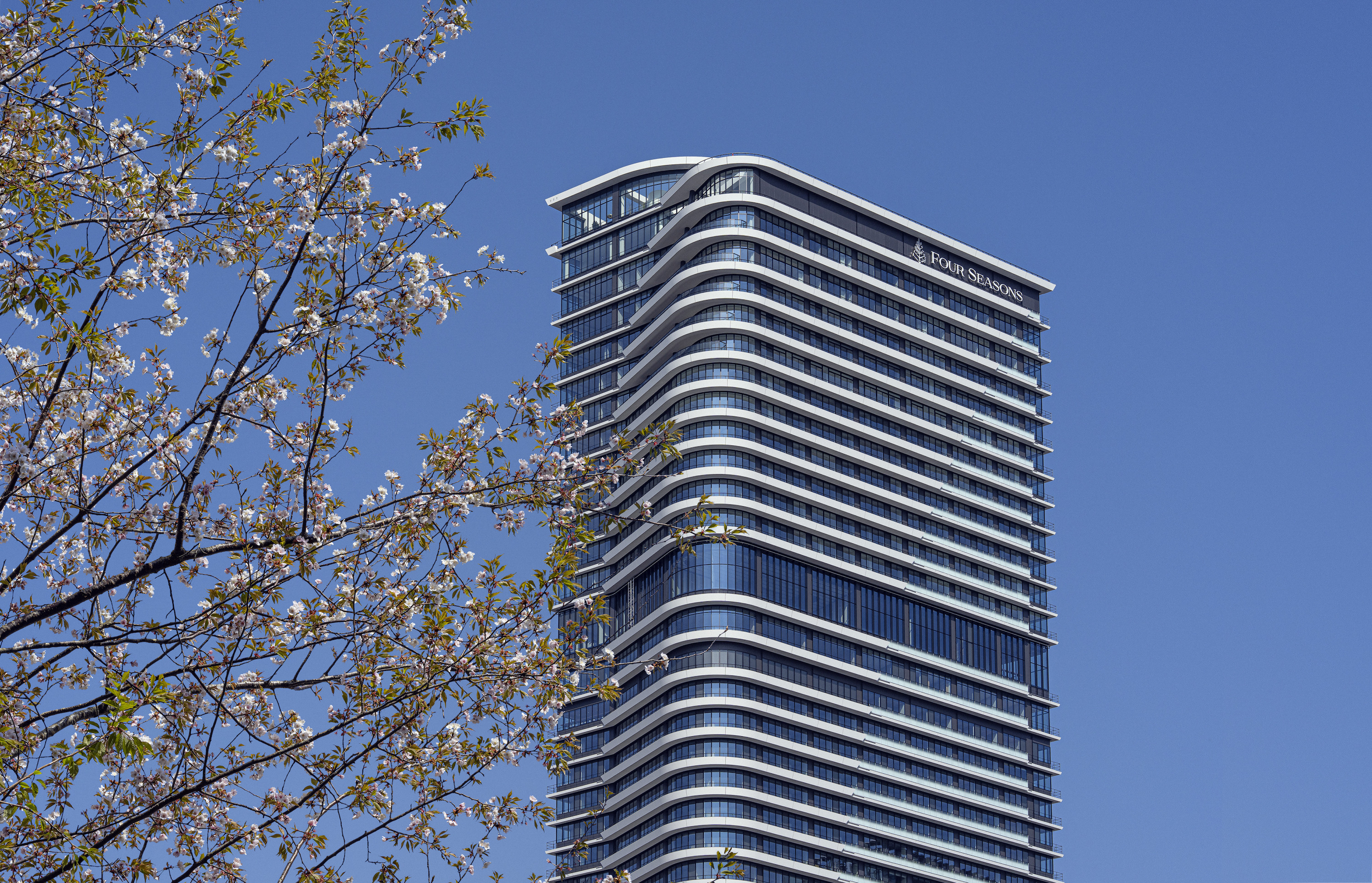
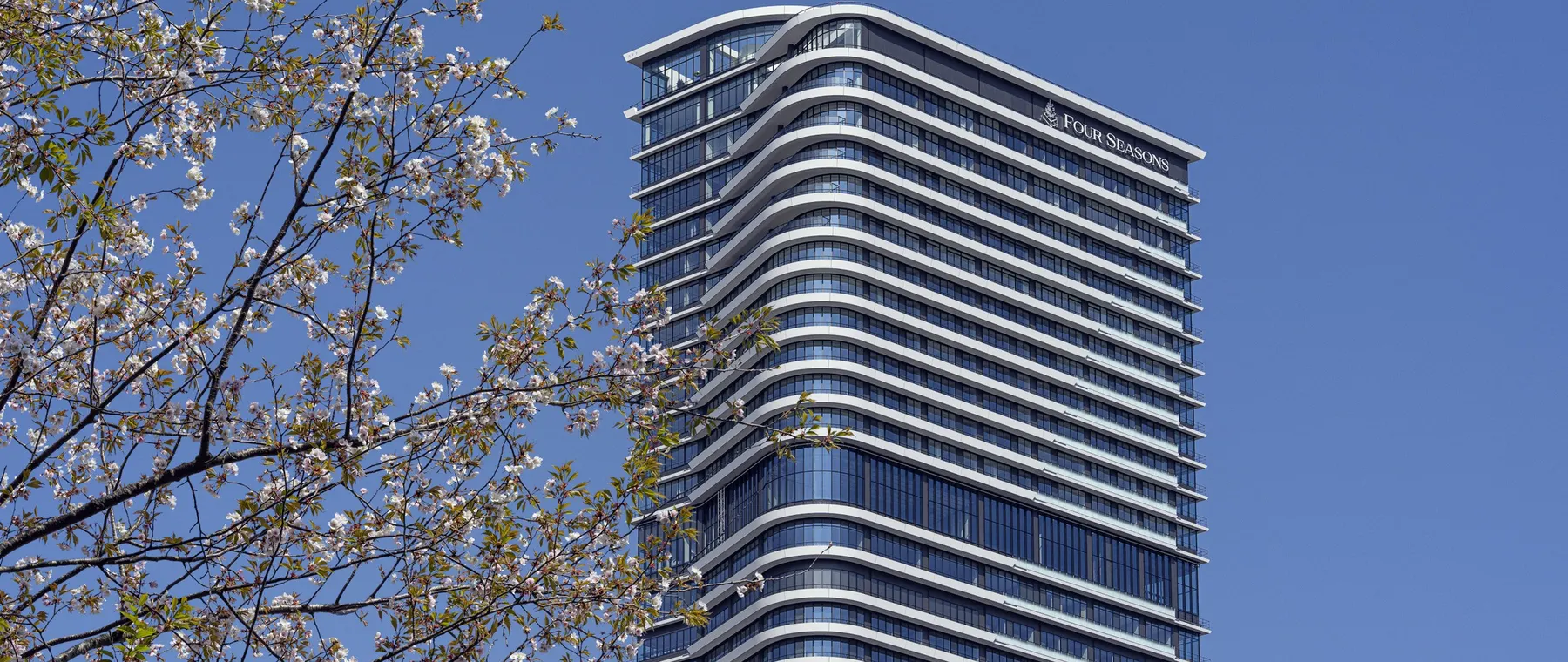
Lead photograph: Four Seasons Hotel Osaka official exterior press photograph showing the hotel building. Photo: Four Seasons Hotels and Resorts, official Hotel Osaka exterior press photograph supplied with its Green Key announcement; an architectural image, not a photograph of the certification assessment. Original official image source.