A fashion campaign staged where Ferrari bodies take shape
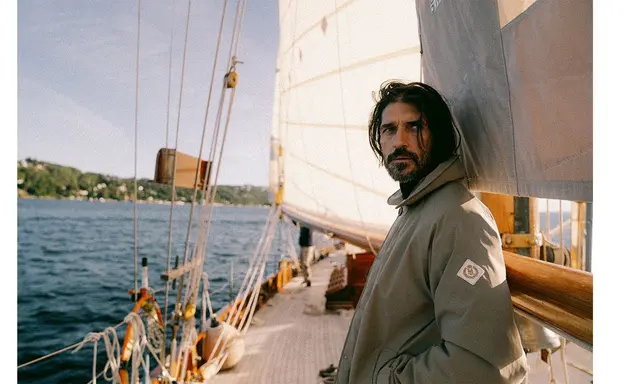
Ferrari's Fall/Winter 2026 advertising campaign uses the Scaglietti facility as its setting, connecting contemporary clothing with the marque's tradition of sculpted automotive surfaces. Photographer Rafael Pavarotti captured models Mila Van Eeten and Fernando Cabral in an industrial environment chosen for its relationship to craft and physical form. Ferrari presents the campaign under the concept Skins I Am In.
The creative direction comes from Rocco Iannone, whose fashion collections regularly explore the encounter between tailoring and automotive design. This is a fashion and visual-design story rather than the release of a new motor car. Its subject is how surfaces influence the perception of both objects and people.
Textures become the central visual language
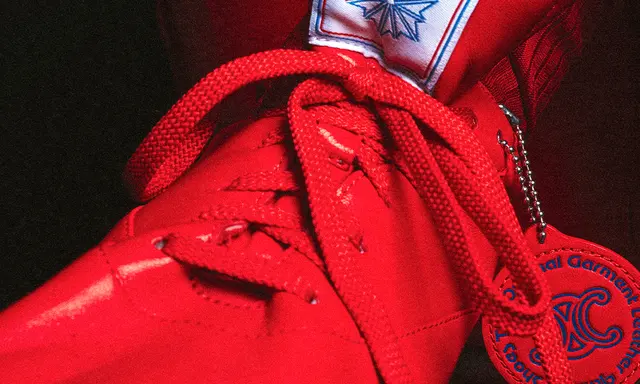
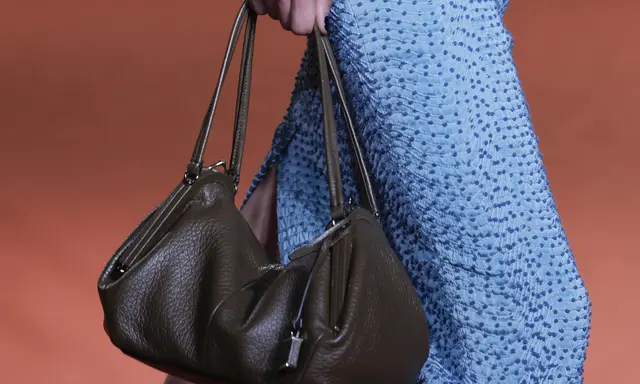
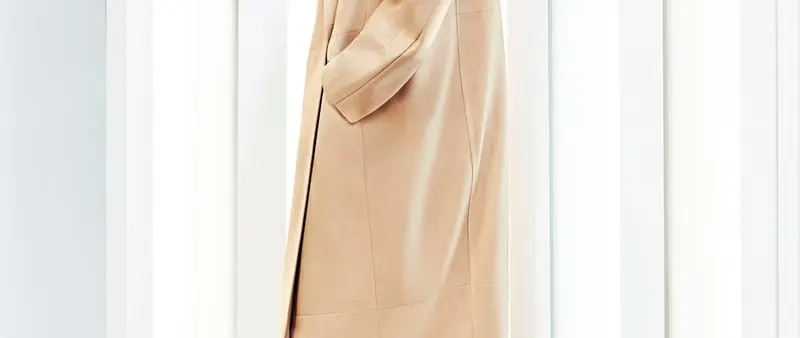
The imagery uses controlled side lighting to show the grain, weight and texture of garments. Ferrari explicitly compares the painted skin of a car with clothing as a covering of the body, considering how material can communicate shape without relying entirely on branding. The work creates a dialogue between precise industrial finishes and more tactile fabrics.
Such campaigns can be fascinating even for people who do not plan to buy every garment shown. They illuminate choices about finish, line and proportion shared across disciplines. A highly reflective textile, for example, reads differently under strong light from a matte structured coat, just as contrasting car finishes change the character of a body panel.
Scaglietti provides a meaningful backdrop
Sergio Scaglietti's bodywork legacy is central to Ferrari history, and the facility bearing his name provides a location with authentic manufacturing relevance. In the campaign, the industrial setting is not simply an aesthetic warehouse: it refers to the tradition of turning a designer's sketches into physical metal.
The strongest fashion photographs do not need to reproduce a car directly. Here, the dialogue is created through texture and silhouette, allowing clothing to have its own character. The campaign also alternates between menswear and womenswear, emphasising a common underlying visual language rather than two disconnected collections.
What the campaign says about luxury branding
Ferrari's fashion business presents an opportunity for customers to engage with the brand's visual identity away from motoring events. Yet a successful collection has to work as clothing, in fit, comfort and durability, not simply as a statement of affiliation with a famous badge. The individual garments should be assessed on their own terms.
The AW26 campaign underlines Ferrari's interest in craftsmanship as a cross-disciplinary idea. For a luxury-lifestyle audience, it is an illustration of how an automotive design heritage can inform fashion without becoming literal merchandise. Product prices, sizes and availability depend on Ferrari's retail offering and may vary by market. The underlying challenge for contemporary luxury fashion is whether creative imagery translates into garments that remain rewarding beyond the campaign season. Materials, stitching and construction can be judged directly in a boutique.