Fashion enters the museum through the history of a performance
The Museum of Fine Arts, Boston, has announced a distinctive exhibition devoted to the costumes, musical instruments and other objects associated with Taylor Swift's career. Scheduled for 10 April to 15 August 2027, Taylor Swift: The Eras Collection will examine two decades of the musician's work through more than fifty objects. The museum issued its announcement on 17 November 2026, opening reservations to members ahead of public ticket sales in December.
The exhibition will be organised by the Boston museum and is not currently scheduled to travel to other venues. Its curatorial premise brings fashion and musical instruments into a single account of performance, rather than treating the two as separate categories of collecting.
For Luxury Yacht Guide readers interested in the work of couture houses and the design of individual objects, the forthcoming exhibition offers a particularly interesting way to explore the relationship between a piece of clothing and the environment in which it was intended to be worn. A costume designed for an extended performance may need to satisfy requirements quite different from those of a garment made for a formal dinner or a photograph.
A chronological approach to style
The museum proposes a separate display setting for each of the twelve periods of Swift's recorded career identified in its exhibition announcement. The first and last of these settings refer to videos associated with her debut album in 2006 and the album The Life of a Showgirl in 2025.
That chronological structure gives visitors a means of considering the changing relationship between music, visual presentation and costume. A performance identity can be established through a combination of the clothes worn, the objects handled on stage and the nature of the environment in which the performance takes place. Changes in any one of these areas can influence how an audience understands the other elements.
The opportunity to place objects from different periods alongside one another allows a visitor to see those transformations in a more deliberate way than might be possible during an individual concert. A performance takes place over time, with movement and changing lighting affecting the way a garment is perceived. In a museum, the same object can be examined at a different pace, with attention paid to aspects of its construction that may be difficult to observe from a seat in a large venue.
The exhibition is currently a future programme, and the November announcement provides an indication of selected objects rather than a complete published inventory or a view of the finished installation.
An Alberta Ferretti gown and the role of movement
Among the announced objects is a custom red gown by Alberta Ferretti, used during the portions of the Eras Tour associated with folklore and evermore. Both albums appeared in 2020, and the tour subsequently brought material from them into a much larger presentation.
A full-length garment intended for performance can have a particularly striking relationship with movement. The way material falls around the wearer can change as the person turns, walks or stands in a differently lit area of the stage. A designer must therefore consider not merely the outline of the garment in a static fitting but its behaviour during the activities for which it is intended.
Colour can have an equally significant function. The character of a red surface can vary according to the lighting used in a performance and the way the fabric reflects it. The relationship between the dress and the wider presentation may be as important as the appearance of the object in isolation.
The museum's announcement does not provide the complete material or construction specification for the gown. Visitors interested in the designer's work should examine the information available with the object when it is displayed, rather than assume that every visible detail can be established from photographs of the performances.
A Zuhair Murad bodysuit and the spectacle of surface detail
A second highlight identified by the museum is a bodysuit by Zuhair Murad associated with the Midnights section of the tour. Its decorative surface offers a contrast to the more extended silhouette of the Alberta Ferretti gown. The museum also lists the fringed jacket from the concluding performance of Karma.
These objects illustrate different ways in which clothing can register movement. A garment with many decorative elements may produce numerous small changes in the way light reaches the audience. Moving fringes can extend the visible effect of a gesture beyond the immediate outline of the wearer.
The significance of this kind of design lies partly in its relationship with the scale of a performance. A detail that is immediately visible in a fitting room may be difficult to perceive from a large distance, while a decorative treatment intended for a large audience can look quite different when examined from nearby.
The museum setting offers an opportunity to reconsider those choices. It may allow visitors to observe the density, distribution and arrangement of the decorative elements without needing to follow the movement of the performer. These visual considerations are relevant to couture and fashion design more broadly, even though the requirements of specialist stage clothing are not identical to those of clothing intended for ordinary wear.
A costume placed within its original visual context
The museum plans to recreate the atmosphere of the Fortnight music video through a setting that includes a Victorian-influenced dress, a typewriter and suspended sheets of paper. This is an example of an exhibition using several objects together to recall the visual language of a particular work.
It also introduces an important distinction between costume and installation design. An individual dress can communicate aspects of period, silhouette and workmanship. The setting can establish additional information about the story in which the garment appeared. The exhibition's planned arrangement should be understood as a museum interpretation of the video environment rather than as evidence that every component of the original set has been transferred intact to Boston.
For a visitor interested in luxury fashion, such a display can provide an indication of how creative teams bring together clothing, lighting, props and scenery. The relationship among those elements can be central to the visual experience. A garment that appears restrained in isolation may contribute strongly to a larger composition, while a conspicuous costume may be designed to contrast with its surroundings.
Musical instruments as designed objects
The material identified for the exhibition extends beyond fashion. The museum's selection includes a Deering banjo associated with the Speak Now tour, a green Gibson J-180 acoustic guitar from the reputation tour, and a mandolin used in the willow video. Another planned object is the decorated outer structure of the grand piano used for a 2019 performance of Lover.
These instruments and associated objects provide another way of examining the interaction between function and visual design. The construction of a musical instrument must respond to the demands of playing it. At the same time, choices about its shape, finish and decoration can make it a recognisable element of a public performance.
Collectors of historic instruments should distinguish the technical characteristics of an individual instrument from its association with a performer or event. Both can be of considerable cultural interest, but their assessment relies on different types of documentation. The November announcement concerns the museum's proposed exhibition, not the sale or valuation of the objects.
The distinction between a complete working instrument and the decorated shell of a piano is particularly worth retaining. The museum identifies the latter specifically as part of the visual presentation of the performance.
Arranging a visit in 2027
The exhibition is scheduled for the Linde Family Wing for Contemporary Art. Members have advance access to reservations, with a preview period from 7 to 9 April 2027. Public ticket sales are scheduled to begin on 13 December 2026 at 6 p.m. Boston time.
The announced adult ticket price is US$40, including general admission to the museum. Timed reservations are required, and the museum intends to provide extended Saturday evening opening during the exhibition. Visitors travelling from elsewhere should obtain their timed admission before arranging a journey solely to see the collection.
The programme makes a useful contribution to the study of fashion because it establishes a context for objects whose original significance depended partly on movement, music and the circumstances of their use. The exhibition allows those objects to become the focus of attention in their own right, while its chronological arrangement retains their relationship with the changing creative identity of the artist.
Sources and lead image
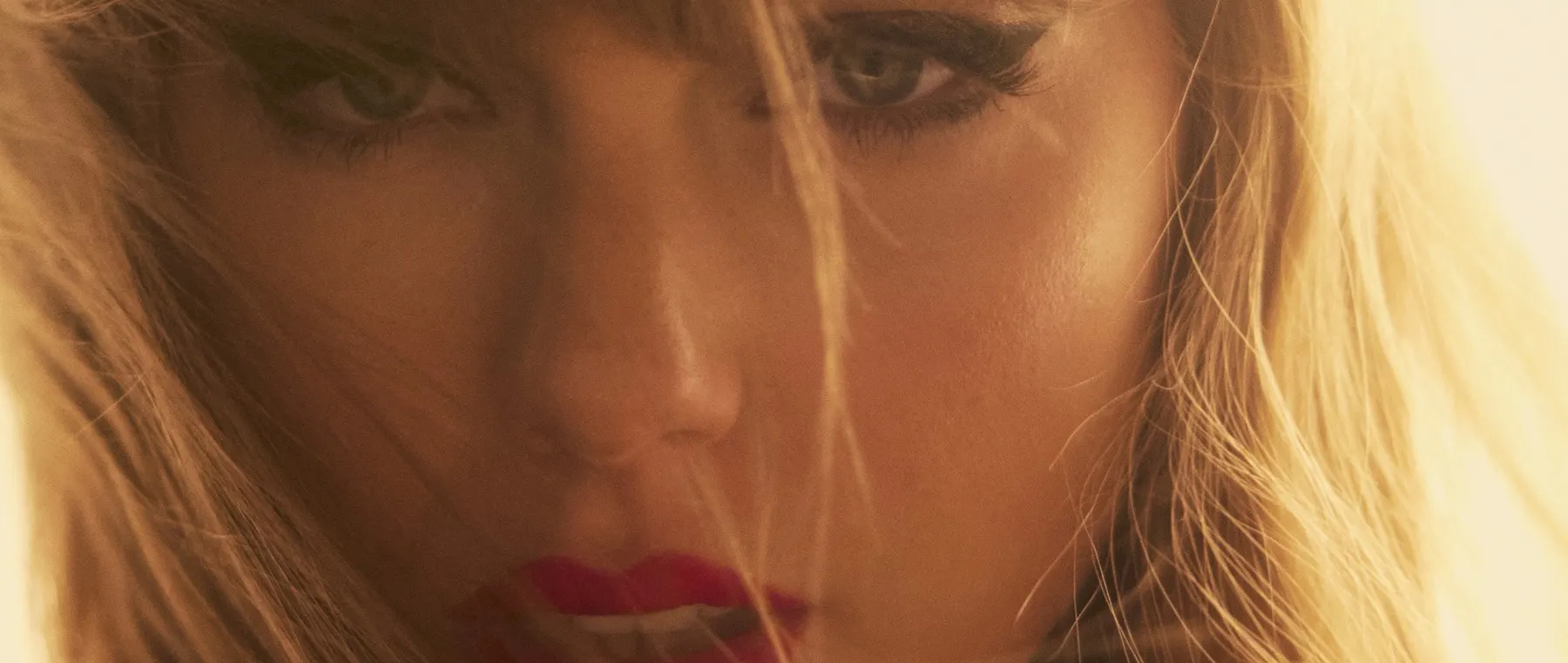
Source documentation: https://www.prnewswire.com/news-releases/museum-of-fine-arts-boston-to-exclusively-present-taylor-swift-the-eras-collection-302942452.html, https://www.mfa.org/press-release/taylor-swift-the-eras-collection. Lead image: Official photographic artwork accompanying the Boston Museum of Fine Arts exhibition announcement — Photograph by Mert Alas and Marcus Piggott, supplied by the Museum of Fine Arts, Boston; PR Newswire editorial media terms https://prnmedia.prnewswire.com/prnj-faq/. Official issuer-supplied press photograph, reproduced for editorial coverage of the specific announcement and resized for web display.