A purpose-built addition to Porsche motorsport
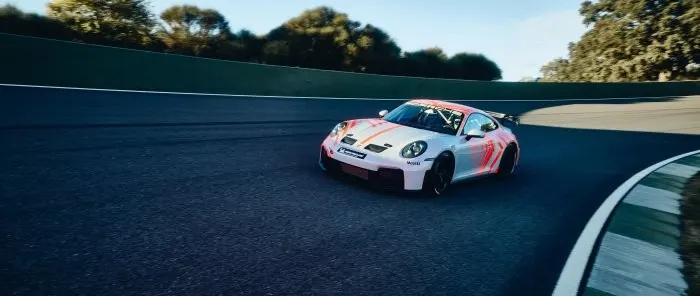
Porsche has detailed the 911 Challenge as a dedicated customer racing car intended to bring drivers into serious circuit competition. The new machine draws on the 911 family but belongs to a very different ownership category from the road cars displayed in normal dealerships. Its design prioritises controlled track use, serviceability and competition rules rather than luggage space or long-distance touring.
The company’s motorsport programme has supported professional and amateur racing for decades, and a new model in that ecosystem matters because independent teams need predictable equipment supply and technical support. A customer competition car is acquired as part of a wider programme, including tyres, testing and knowledgeable personnel.
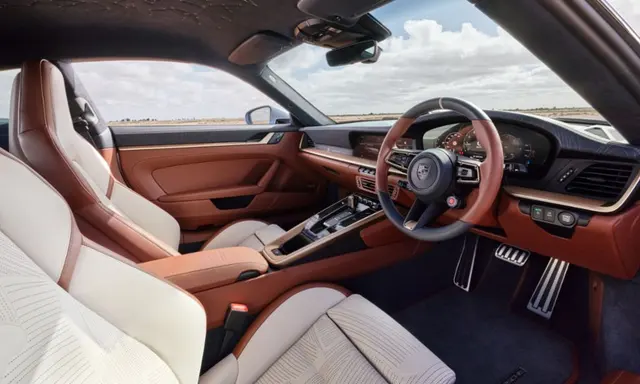
The distinction from a road-going 911
A track-only vehicle may share design language with a production 911 while using dedicated aerodynamic components, interior protection and competition-focused systems. Driving expectations are correspondingly different. Occupants need suitable safety equipment, and the car must operate in accordance with the rules and requirements of the relevant championship.
The published model announcement should not be treated as permission for ordinary public-road use. Buyers should establish homologation and permitted race series before ordering, particularly if they hope to compete in more than one country. Circuit access, maintenance schedules and equipment requirements can have substantial financial implications beyond purchase price.
The experience beyond the headline performance
For wealthy enthusiasts considering a first racing programme, the attraction can lie in the structure of practice, instruction and improving lap consistency rather than an isolated maximum-speed claim. A good engineer and driver coach can make the experience more rewarding, while transport and secure storage must be arranged between race weekends.
The relationship between car and team deserves a close look. Spare components, data analysis and damage-repair capability may determine how frequently the owner can drive. A technically ambitious racing car is only useful if the owner can support it safely and confidently.
A growing part of the luxury-motoring world
Porsche’s customer motorsport heritage makes a new 911 race car notable for collectors, drivers and hospitality groups alike. But the purchase case differs from that of an exclusive road car: resale value and collectible appeal are less predictable than the practicality of a properly supported competition season.
The 2026 announcement adds another choice for drivers interested in organised racing. Those considering participation should compare running costs and event access with established customer-car programmes, then seek a concrete quotation from Porsche Motorsport or an authorised representative. The appropriate yardstick is the complete ownership experience rather than the badge alone. Track events can be highly social occasions as well, with hospitality and time among other drivers adding another dimension to the sport. That should not, however, distract from the discipline and concentration required on the circuit.