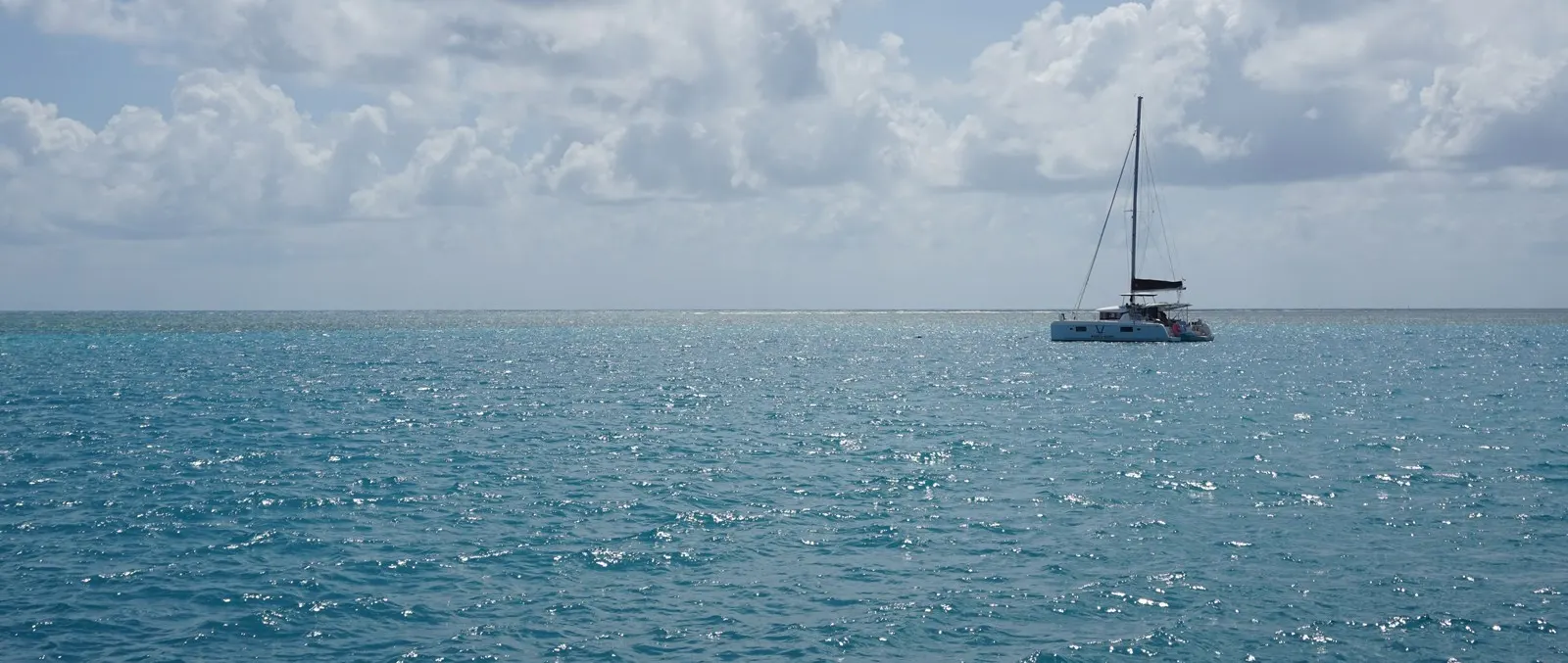
The far edge of the Florida Keys
Dry Tortugas National Park lies far beyond the usual marina-to-marina rhythm of the Florida Keys. From the sea, Garden Key and the immense brick walls of Fort Jefferson emerge from remarkably clear water, making a compelling destination for an owner-operated or professionally crewed luxury yacht. Unlike a resort island, however, the park is deliberately spare. There are no convenient stores or service docks ready to supply an arriving yacht, and the voyage involves a genuine open-water passage.
For a yacht in the 12-to-24-metre range, the attraction is the freedom to experience the archipelago at an unhurried pace if weather and official restrictions permit. Snorkelling, the history of the fort, seabird observation and quiet evenings aboard can be combined without pretending that the national park is a private playground. The National Park Service has detailed rules governing anchoring, shore access and use of docks, and those rules are essential itinerary information rather than fine print.
Plan the crossing as a voyage
Reaching Dry Tortugas from the mainland or the lower Keys requires navigation through open water where land may disappear from sight. The park specifically points boaters to current NOAA navigation charts for the area and warns of the need for capable equipment and preparation. A passage plan should assess fuel reserve, weather windows, water depth, communications, navigation redundancy and the ability of the yacht and crew to make a safe return without expecting assistance from the islands.
This is not the trip for a captain hoping to improvise a fuel stop after arriving. Provisioning and waste storage should be organised before departure, and spare equipment should reflect the realities of a remote location. The master needs a defined contingency for a deteriorating forecast, because a tranquil morning in harbour at Key West says little about conditions farther offshore. Guests can enjoy a leisurely passage only because the crew has made its practical demands invisible.
Garden Key as the expedition centre
Garden Key is the natural focus of a private-yacht visit. It is home to park facilities and Fort Jefferson, an extraordinary historic structure whose scale contrasts with the small islands and surrounding shallow sea. The fort gives the cruise a cultural dimension beyond swimming and sightseeing. Exploring its architecture and learning about the people who built and inhabited it can provide a satisfying day ashore when access and local conditions allow.
The park instructs visitors arriving in their own vessels to stop at Garden Key to pay the entrance fee. Arrival, tender landing and any available dock use should therefore be planned around current instructions rather than a presumed marina reservation. The official Garden Key information also warns that storm damage has left parts of the pier and dinghy-access areas closed, with limited space for private craft. The prudent captain checks the latest park notices before promising guests a landing.
Anchoring is tightly defined
The National Park Service permits overnight anchoring only in specified sandy-bottom waters close to the Garden Key lighthouse, excluding closed areas, marked channels and protected zones. Anchoring is prohibited in the park's Research Natural Area. The rule makes it essential to distinguish a seemingly suitable patch of seabed from a location where a yacht is actually authorised to stop. Updated park maps and official notices should be at the chart table alongside navigation information.
The park also limits how long an anchored vessel may be left unattended. This has obvious implications for a small crew whose guests all wish to visit the fort at the same time. Safe tender operations, anchor watch and emergency communication should be planned together. If there is no lawful, safe place to hold the yacht for the expected weather and guest programme, the solution is to change the programme, not to treat environmental restrictions as negotiable.
Docks and dinghy beaches are not marina berths
A published pier does not mean a visiting yacht can use it at leisure. The Garden Key main dock is subject to priority arrangements for authorised services and a concession ferry, with limited recreational use where permitted. Overnight docking is not allowed, and the park publishes maximum use periods. The Loggerhead Key dock is closed to private vessels. These rules prevent a casual assumption that the yacht can remain alongside while guests explore the island.
Small craft landing also has restrictions. The Garden Key dinghy beach is the principal authorised approach, but parts of the nearby shore and pier area have been affected by closures. Swimming zones must remain free of craft, and the park restricts ordinary vessel approaches to undeveloped shores. A good owner briefing should explain where people may land, which beaches are for swimming, and why a short tender ride needs the same care as any other protected-water operation.
The history of Fort Jefferson
Fort Jefferson provides a focal point for guests interested in maritime history and nineteenth-century coastal defence. The massive brick fortification stands in sharp contrast to the surrounding sea and coral habitat, creating a memorable visual experience even before landing. A visit to the park's visitor centre can help place the building in its wider historical context, turning an offshore cruise into a journey through a different chapter of American maritime life.
The most rewarding visit is usually unhurried. Guests can walk the areas that are open, pause to consider construction in a remote setting and look across the water from authorised viewpoints. Historical structures and archaeological remains should be treated with care, and nobody should climb into closed spaces for a photograph. Some of the finest moments may come later, when the yacht's deck offers a distant view of the fort in evening light.
Snorkelling beneath the surface
The waters around Dry Tortugas are a major part of the appeal. Clear conditions can reveal reef environments, fish and the texture of the underwater landscape, but clarity is not a promise of calm or safety. Snorkelling should be undertaken only where the park allows it, with appropriate supervision, flotation equipment when needed and a clearly designated support craft. The park publishes separate rules for Research Natural Area mooring buoys used by recreational boaters during the day.
An operator should distinguish a diving or snorkelling mooring from an overnight anchorage. Time limits, weather restrictions and the size and suitability of the vessel all matter. Guests should not stand on coral, collect marine life or leave equipment touching sensitive habitats. A carefully chosen underwater experience, even a relatively brief one, can communicate the value of conservation more vividly than a day spent travelling between crowded anchorages.
A low-impact day around Loggerhead Key
Loggerhead Key offers a different visual character from Garden Key, with the lighthouse and a quieter feel across the water. Yet a tempting stretch of sand does not grant unrestricted shore access. The park allows landings only in specified places and explains that its dock is not available to private vessels. Kayaks and small dinghies require thoughtful handling, and the crew must respect all posted closures and protected shorelines.
A visit should be built around what is currently permitted and safe, perhaps combining viewing from the yacht with an authorised tender landing when conditions allow. It is important not to plan a beach picnic that depends on using a prohibited area. In a national park, privacy is created by restraint and quiet, not by taking exclusive possession of an empty shore. The best itinerary leaves both wildlife and other visitors undisturbed.
An evening designed around darkness
With little urban development around the islands, Dry Tortugas can provide a memorable experience after sunset. The silhouette of Fort Jefferson and the changing sky may be more compelling than elaborate onboard lighting. Guests can dine aboard, listen to the sea and appreciate the difference between a crowded harbour and a remote protected horizon. But the park's conservation rules limit bright exterior lighting and prohibit underwater vessel lights apart from specified exceptions.
That requirement is an opportunity to create a sophisticated experience with a lighter environmental footprint. The yacht must maintain navigation and anchor lights required by law, while avoiding unnecessary decorative illumination. The captain should also review night-watch and anchor-monitoring arrangements, as an attractive sunset does not lessen the need to respond promptly if wind or sea conditions change during the night.
Comfort depends on self-sufficiency
The absence of shore services can make a well-prepared yacht unusually rewarding. Fresh water, food, refrigeration, power management and sanitary arrangements should be sufficient for the intended stay and potential weather delays. The park has no public rubbish facilities, so everything brought in must be taken away. Guests should know that the crew's tidy, unobtrusive operation is not just good service but a contribution to protecting the islands.
Before the voyage, the captain should also review marine safety equipment, suitable first-aid supplies, weather communications and contingency transport. A passenger may picture a day of swimming and historic sightseeing, but the responsible plan includes what happens if weather closes the landing area or somebody needs medical care. A flexible programme can still feel indulgent while preserving the option to leave early, remain aboard or return to the Keys.
The reward of respecting the rules
Dry Tortugas is a rare opportunity to see a major historical landmark, tropical marine habitats and remote island scenery within one carefully planned cruise. Its value does not come from abundant facilities but from the absence of them. A luxury yacht provides comfortable access while the captain manages the realities of open water, limited lawful anchorage and visitor regulations.
An owner who treats the National Park Service's guidance as central to the experience can enjoy something far more distinctive than a conventional island holiday. A good Dry Tortugas itinerary is measured not in the number of places landed or hours spent on a dock, but in the quality of observation, the safety of every transfer and the assurance that the islands look much as they did before the yacht arrived.