A California island passage with a different rhythm
West of the Southern California coast, Channel Islands National Park offers something rarely found so close to a major metropolitan shore: a cruising itinerary shaped by wildlife, weather and quiet rather than marinas and waterfront restaurants. A luxury yacht in the 12-to-24-metre range can be an appealing base for a carefully planned expedition, but the islands do not function as a conventional resort destination. There are no hotel berths waiting at the end of the crossing, and a capable master must approach the area with the judgement appropriate to exposed Pacific water.
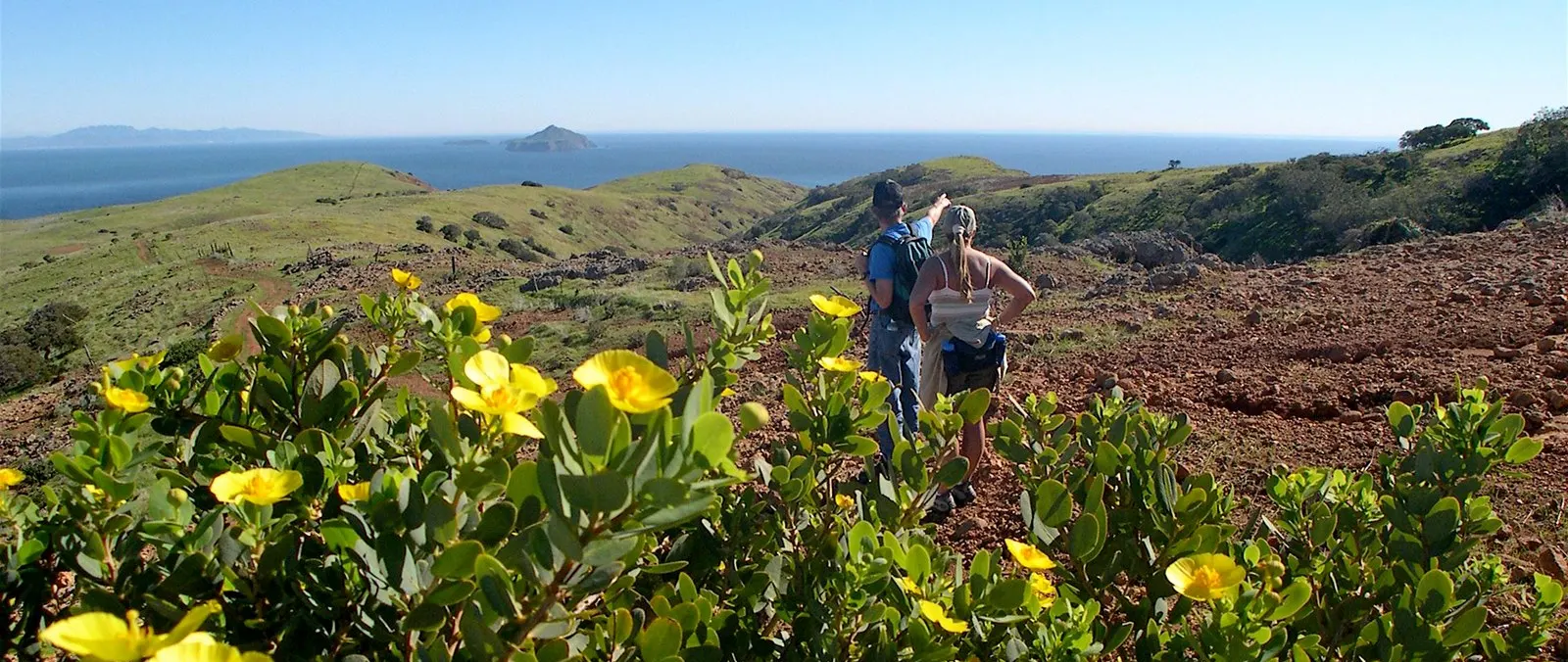
For owners and guests, that distinction is the attraction. A day may begin with distant silhouettes appearing across the Santa Barbara Channel, continue with a naturalist-led walk through an island landscape, and end over dinner aboard while seabirds circle offshore. Yet flexibility is essential. The National Park Service explicitly warns of fast-changing wind, swell, currents and fog, so a successful itinerary keeps a mainland alternative and never promises a landing simply because a guest has put one on the calendar.
Which islands belong in the itinerary
The national park protects five islands: Anacapa, Santa Cruz, Santa Rosa, San Miguel and Santa Barbara. They share a marine setting but have distinct characters, access procedures and exposures. Santa Cruz can provide a particularly compelling first encounter, with cliffs, sea caves, walks and protected island habitats; Anacapa appeals for its dramatically shaped coastline and elevated views. Santa Rosa and San Miguel demand even more deliberate preparation, while Santa Barbara Island can offer a memorable remote stop when sea conditions cooperate.
A private cruise is not a race to collect all five names. It is more rewarding to choose one or two destinations for which the forecast, landing rules and guests' interests align, then spend real time exploring. The shore party can focus on geology, birds, plants and conservation while the yacht remains a comfortable home base. Guests should understand before departure that the most important decision on some days may be to stay offshore, turn back or remain in a sheltered mainland harbour.
Choosing a mainland departure
Ventura Harbor, Channel Islands Harbor and Santa Barbara all provide plausible mainland starting points, subject to the actual yacht's draft, berth availability, provisioning arrangements and planned route. The choice should reflect more than the shortest straight line on a chart. Owners need access to fuel, appropriate shore power, a protected overnight berth, equipment support and a departure window that allows the crew to monitor changing forecasts without pressure.
Before casting off, the master should review the appropriate current NOAA navigation charts and notices to mariners, establish a formal float plan and account for shipping traffic in the Santa Barbara Channel. The park identifies major commercial routes that cross the boating area, where large ships can travel quickly. Radar, AIS, lookout discipline and conservative crossing decisions are essential rather than decorative features on a sophisticated helm. A luxury yacht's comfortable interior does not reduce its watchkeeping obligations.
The absence of marina infrastructure is the point
Unlike a Mediterranean island-hopping itinerary, the Channel Islands offer no public moorings and no all-weather anchorages, according to the National Park Service. A vessel may need to remain at anchor in a place exposed to changes in swell or wind, and the park recommends that someone stay aboard at all times. That is an important operational constraint when all guests want to leave for a hike or a guided island visit. The tender plan and crew rota need to be decided before anyone steps ashore.
Anchoring decisions require local knowledge, updated charts and careful environmental judgement. Dragging or resetting an anchor in sensitive seabed habitats can damage the very ecosystem visitors have come to admire. The captain should assess holding ground, scope, forecast shifts and safe swinging room, with a clear plan to depart if the anchorage becomes uncomfortable. A professionally crewed yacht may offer extra flexibility, but it cannot manufacture shelter where the coastline does not provide it.
Santa Cruz: landing rules before landscape
Santa Cruz Island is especially appealing because it combines scenic coastal approaches with walking opportunities, yet its land ownership is divided. The eastern portion is managed by the National Park Service and can be visited by private boaters without a general NPS landing permit. The western Nature Conservancy-owned portion requires a separate landing permit, and the park advises allowing time for that process. Protected coastal sections also restrict landing to safeguard nesting seabirds.
Scorpion Anchorage and Prisoners Harbor have piers, but their presence should not be mistaken for yacht marinas. The crew should confirm the landing procedure, conditions and availability, then use an appropriately handled tender for shore transfers. Surf landings elsewhere can become dangerous with only a modest swell shift. Once ashore, a slower walk with a knowledgeable guide may reveal more of the island's ecology than a hurried attempt to reach distant viewpoints.
Anacapa's views and controlled landing
Anacapa is a particularly striking prospect from a yacht. The island's cliffs and separated islets form a memorable backdrop for photography, while the elevated terrain gives land visitors a broader understanding of the surrounding channel. The National Park Service allows entry to East Anacapa through the designated landing cove without a permit, but nearby moorings are reserved for authorised users. Private yachts must remain clear and choose their own safe, lawful anchoring arrangements.
Some other Anacapa areas have additional restrictions or ranger requirements, and access can vary with season and ecological protection. An ambitious shore programme should therefore begin with the current park instructions, not with an old cruising blog or a photograph of an inviting empty beach. Sea caves are another temptation here, but the park warns that unexpected swells can fill them rapidly. Tender sightseeing should remain conservative, and cave exploration is not an automatic activity for a family group.
Santa Rosa, San Miguel and the value of restraint
Santa Rosa offers open landscapes and beaches, with seasonal closures around sensitive nesting areas. The park publishes restrictions affecting particular stretches of shore and reserves certain facilities and moorings for official use. This is the sort of destination where a captain and an experienced local guide add genuine value by explaining what can be visited safely and where wildlife is best observed from a respectful distance.
San Miguel is still more regulated. The island remains under United States Navy ownership, and the park describes specific requirements for landing, permits and escorted hiking because of former military use and unexploded ordnance concerns. Overnight anchoring is restricted to designated areas. The appropriate luxury experience here is one of informed access and considered restraint, with a prearranged ranger contact where required. Exploring beyond designated areas without permission is neither adventurous nor acceptable.
A private natural-history salon afloat
Channel Islands travel can be made exceptionally rich without turning it into an exercise in conspicuous consumption. Guests might begin the evening with a short introduction to island evolution, maritime history and the protected marine environment, led by a local expert or supported by official park materials. The islands' biodiversity, bird colonies and offshore life reward curiosity. A quiet observation session on deck, with binoculars and field notes, often creates a stronger memory than an elaborate entertainment programme.
Underwater activity requires equal care. Water temperatures can be cool, visibility changes, and currents around rocky headlands may be unforgiving. Any diving or snorkelling should be guided by conditions and professional competence, with suitable exposure protection and vessel support. Wildlife encounters must remain nonintrusive. A yacht can supply comfort, warm food and a sheltered return after the excursion while allowing the natural setting, rather than onboard spectacle, to remain the focus.
A yacht prepared for the Pacific
An owner planning this voyage should review tender capability, boarding arrangements, navigation redundancy, communications and crew experience before styling or cabin amenities. The tender may have to transfer guests in rolling water without the benefit of a marina pontoon. Guests with reduced mobility should receive a candid briefing about the limits of safe access, and a decision to view an island only from the yacht should be treated as a valid part of the itinerary.
Fresh water, fuel, holding-tank capacity and waste management matter even on a short island cruise because shore services are scarce. A comfortable yacht also benefits from thoughtfully planned meals, secure outdoor furniture and warm clothing for cool mornings and evening sea breezes. The master should brief all guests on personal flotation equipment, safe movement while underway, emergency communication and the simple rule that nobody approaches an exposed shoreline unless the crew judges the transfer safe.
A seasonal window, not a guarantee
The park notes that August through October often bring the calmest typical conditions, while also stressing that strong winds may occur at any time and that fog is possible throughout the year. This makes autumn an intriguing planning period for some owners, but it is not a reliable promise of calm water. The offshore islands can have very different conditions from the mainland departure point, and western islands can be particularly windy.
A responsible charter or private itinerary therefore includes more than one cruising option. A day with unsettled marine forecasts could become a relaxed mainland coastal passage, a visit to a cultural institution or a quiet harbour evening. The luxury lies in having the time, crew and flexibility to avoid marginal conditions. Guests should be told from the outset that wildlife and weather have the final say on the day's destination.
Leaving the islands as they were found
National-park travel carries duties beyond formal permit compliance. No pets are permitted in the park, and various rocks and islets are closed to landing. Guests should remain on authorised paths, take litter and supplies back to the yacht and avoid disturbing birds and other wildlife. The crew must consult the latest park notices, NOAA weather and nautical information, and applicable conservation rules rather than relying on a once-published itinerary.
With these disciplines in place, the Channel Islands offer a quietly exceptional cruise. There is room for fine food, comfortable cabins and thoughtful service, but the defining experiences are still the silhouette of an island in clear air, the sound of seabirds above an anchorage and the chance to step ashore in a protected landscape. For discerning owners, that combination of preparation, humility and unhurried exploration is a more distinctive kind of luxury.