A skyline that is best appreciated from the water
Chicago offers a rare kind of luxury-yacht stop: an international city that presents its best-known architectural silhouette directly to Lake Michigan. A 12–24-metre cruiser can combine the pleasure of a waterfront approach with galleries, dining and cultural experiences ashore, while the lake gives guests a perspective that no hotel window quite reproduces. The ideal visit is not a hurried sightseeing loop. It is a carefully timed arrival, a confirmed berth, one beautiful hour under way along the shore and enough time to explore the city without constantly watching the weather.
Lake Michigan is an inland sea, not a sheltered urban pond. Its open fetch can produce uncomfortable waves, while abrupt changes in wind and visibility complicate approaches for boats of every size. A thoughtful itinerary therefore starts with a suitable weather window and current nearshore forecast rather than a list of restaurant reservations. The reward for taking those conditions seriously is a visit that moves gracefully between the energy of downtown Chicago and the expansive horizon just beyond the harbor entrance.
The city's waterfront also lends itself to slower travel. Morning light catches the high-rise facades, small craft move between the harbors and lakefront parks add green intervals between buildings. From aboard a well-found cruising yacht, guests can enjoy all of this without treating the lake as a speedway. The experience becomes richer when the captain knows precisely which harbors accept the vessel’s dimensions and how to reach the assigned slip.
Choosing a harbor for a 12–24-metre yacht
The Chicago Park District lists ten harbors along the city's Lake Michigan shore and describes a boating season running from May 1 through October 31. Its harbor operator provides transient options at the different locations, but availability varies by season and berth dimensions. A yacht of 12 metres may fit a range of slips, while a yacht near the upper end of Lux Yacht Guide’s size bracket needs a more deliberate confirmation of length, beam, depth, turning space and suitable shore power. Booking should be a direct discussion with the harbor office, not an assumption made from a generic marina map.
DuSable Harbor is the obvious candidate for owners who want immediate access to central Chicago. The harbor operator places it at the foot of Randolph Street, close to the Loop, and describes an approach through Monroe Harbor along the eastern breakwater. It advertises slips for boats of 30–60 feet and above, with transient requests accepted subject to availability. The description signals suitability for some larger cruisers but does not guarantee a berth for every 20–24-metre yacht. Ask the harbor office for an exact assignment and maneuvering guidance before setting the approach.
Other harbors can be attractive depending on the owner’s priorities. Belmont, Burnham, Montrose and 31st Street appear on the operator’s transient list, offering alternatives when the closest downtown facilities are full or less suitable. The Park District confirms the broader range of public harbors, while the operator publishes individual rules and contacts. Shore access, slip utilities and cruising distance should be compared together; a marina farther from the city center may deliver a more relaxed berth for a particular vessel.
Transient berthing is a reservation, not a right
Chicago Harbors states that transient dockage is offered across its system but recommends booking ahead because spaces can be limited, particularly around holidays or special events. Its reservation information makes clear that an online submission is a request and does not promise acceptance. There may also be minimum stays during busy periods and cancellation requirements, which owners should review before committing to flights or fixed shore programs. A captain should obtain written berth confirmation and verify check-in instructions, permitted arrival times and any gate or access arrangements.
DuSable’s own information specifies VHF monitoring and the harbor's operating season, useful reminders that access is managed rather than informal. The operator also describes pump-out facilities, a practical advantage for a yacht preparing for another leg along Lake Michigan. Details such as berth electricity, shore-water fittings, waste services and overnight security should be confirmed for the assigned space, not inferred from the marina’s general facilities list. The operator's displayed rate table can guide early budgeting, but current charges should always be reconfirmed.
At this size range, arrival planning requires more than a fender at each corner. Account for the yacht's windage in a crosswind, the harbor entrance configuration, vessel traffic and room to turn without compromising nearby boats. Make sure the crew understands which lines go ashore first and where the local staff expect the yacht to wait if its berth is temporarily occupied. A smooth arrival leaves guests free to enjoy the city rather than being held aboard during avoidable docking confusion.
A memorable cruise beside the city
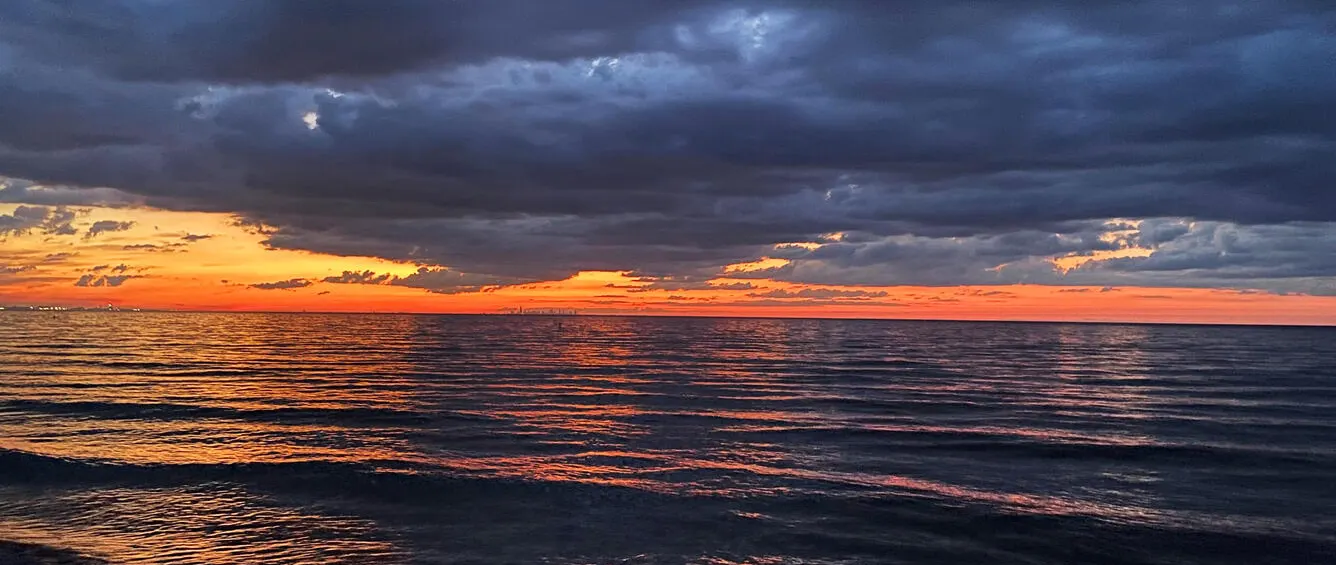
With a secure berth established, a daytime lakefront cruise can become the centerpiece of the visit if weather and local restrictions permit. From the water, the skyline seems to rise directly from the lake, and the changing angles reveal the city’s blend of historic towers and contemporary architecture. A modest speed allows guests to take photographs, identify landmarks and appreciate the transition from densely built downtown shore to parks and beaches. The helmsman should maintain lookout and comply with the relevant speed and navigation rules throughout.
The cruise need not cover a long distance. Chicago’s concentration of waterfront architecture means that even a relatively short excursion can feel visually rich, particularly early or late in the day when the light is more forgiving. Guests interested in architecture may enjoy a separately arranged guided city or river experience ashore, while those who prefer the yacht can remain on deck with a relaxed lunch. The distinction matters: a 20-metre yacht’s suitability for particular river passages, bridges and rules is a separate navigation question requiring its own assessment.
A photographer looking for the classic skyline image should also consider the position of the sun, the weather and the sea state. It is better to cruise comfortably at a safe distance than to make repeated close passes near busy harbor entrances or crowded shorelines. A captain can prepare several possible tracks and choose one that fits the day's conditions and traffic. The yacht’s route must remain subordinate to navigation requirements, even when the skyline is at its most spectacular.
City life just steps from the berth
Chicago is unusually rewarding as a two-night cultural stop because guests can move from the tranquility of a yacht to an extensive urban itinerary. Galleries, architecture, music, major dining districts and lakefront walks create many ways to shape a short stay. The most satisfying approach is to select one or two interests rather than attempting to experience the whole city between breakfast and dinner. A concierge can organize transport and reservations while the crew completes servicing and prepares the next passage.
An afternoon might pair an architecture-focused activity with a leisurely dinner, leaving the following morning free for an art museum, lakeshore walk or shopping. The city works well for mixed-interest groups: some guests may prefer culture, while others enjoy cycling or a quiet break on board. The ability to return to the yacht between excursions is one of the most distinctive benefits of securing a convenient berth. That flexibility can make a city stop feel like a private residence rather than a hotel-based sightseeing schedule.
Guests should remember that berth location affects travel time. DuSable offers access near downtown, while other marinas may require a longer transfer but bring their own waterfront atmosphere. Plan evening transportation and access arrangements before the harbor office closes, and keep the crew informed about guest returns. A luxury stay is seamless when its shore logistics have received as much attention as the yacht's cruising plan.
Lake Michigan forecast and cold-water realities
The National Weather Service Chicago office publishes nearshore marine forecast zones for the Illinois and Indiana shores, as well as open-lake forecasts, warning products and weather observations. Crews should consult the relevant zone for their intended route and check the issue time before departure. A point forecast near the city is useful but should be considered alongside current wind, wave observations and the broader lake outlook. Conditions beyond the breakwater can be markedly different from the water in a marina basin.
Although summer afternoons can be warm ashore, Lake Michigan water temperatures may remain cold enough to create a serious immersion hazard. Proper personal flotation, prompt recovery arrangements and realistic swim decisions matter on a yacht as much as they do on a runabout. Brief guests before opening the swim platform or launching a tender, particularly when winds, boat wakes or the temperature make re-boarding difficult. The skipper should also plan for reduced visibility and sudden squalls rather than relying solely on a morning smartphone icon.
The marina season listed by the Park District ends on October 31, so late-autumn and winter plans require additional caution and current confirmation of facilities. Harbors may have reduced staffing or seasonal restrictions, while the lake becomes less forgiving as weather deteriorates. A comfortable luxury-yacht visit is best timed to a reliable operating window, with flexibility to delay the next passage. Chicago rewards an unhurried schedule far more than a forced departure in marginal conditions.
A sensible two-night itinerary
Day one can begin with a weather-reviewed approach, a pre-confirmed harbor assignment and enough time for a relaxed check-in. Once lines and shore connections are secure, a late afternoon walk or a short cultural excursion allows guests to take in the city at their own pace. Dinner ashore offers a chance to enjoy Chicago’s culinary scene without compressing the arrival into a full sightseeing program. The crew should use the evening to verify the next day’s forecast and any marina service needs.
On the second day, schedule a lakefront cruise during the best available weather and light, leaving a city tour or museum visit as a flexible alternative if conditions worsen. Guests can then divide their time between architecture, dining, shopping and relaxed hours aboard. A third-morning departure can be held open for better weather, with the captain assessing the intended route and any port stops farther along Lake Michigan. This schedule leaves enough breathing space to turn a marina visit into a proper destination.
Chicago’s real appeal to a luxury yacht is the unusual pairing of metropolitan sophistication with a horizon of open freshwater. It is a destination that deserves both elegant shore programming and serious attention to marine conditions. With a confirmed berth, appropriate vessel dimensions and an adaptable plan, owners can enjoy the city’s skyline as their arrival view and its cultural life as their shore experience. That combination is worth making room for in a wider Great Lakes itinerary.