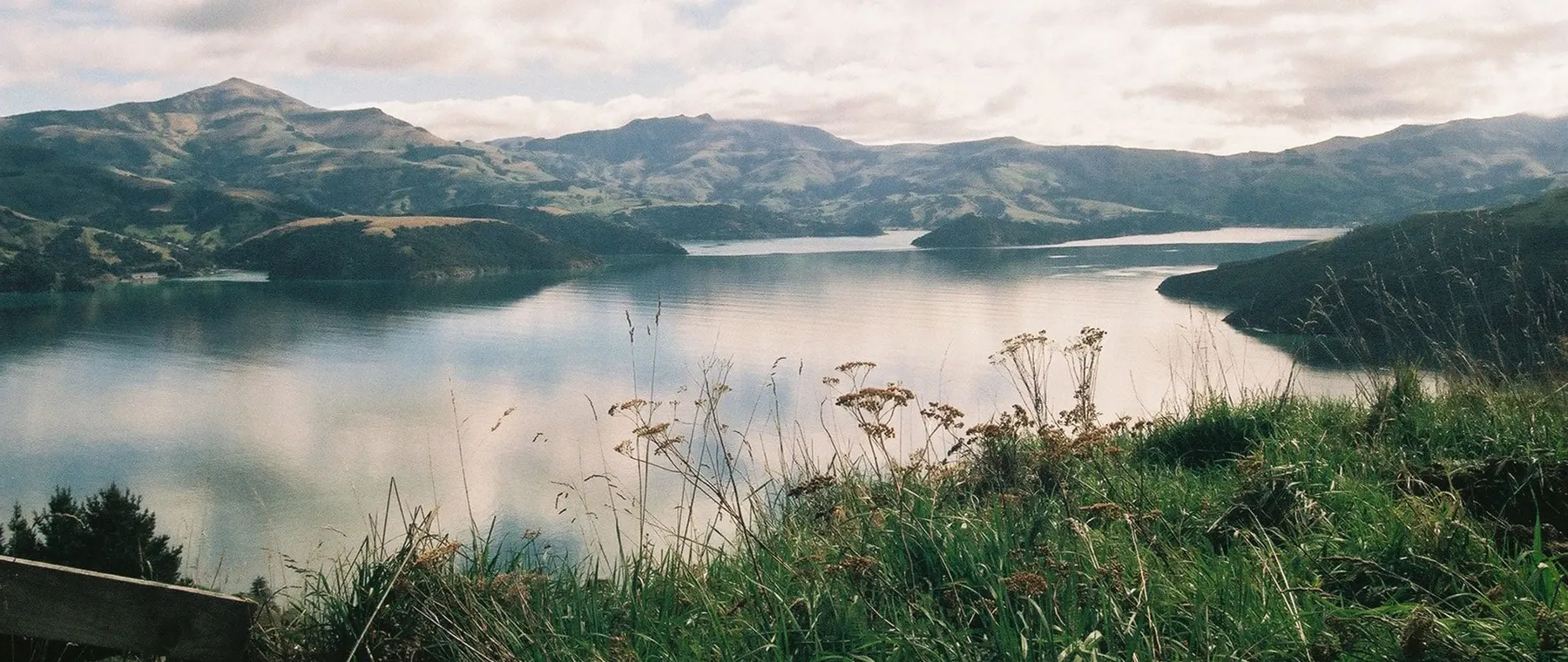
Akaroa: a sheltered harbour with a volcanic backdrop
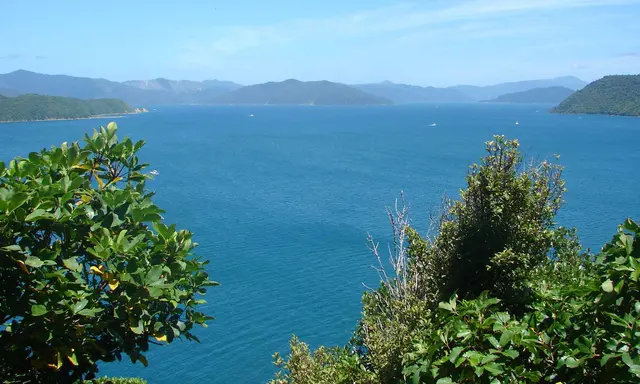
Akaroa Harbour is one of those cruising places where the landscape does much of the work. Steep green slopes wrap around a long sheltered inlet on New Zealand's Banks Peninsula, creating a dramatic arrival for a comfortable private motor yacht or sailing yacht. The town's small waterfront and the wider rural landscape offer a different kind of luxury from a purpose-built resort marina. The pleasure lies in an unhurried approach, a well-chosen place to stop and enough time to discover the region without imposing on it.
For an owner cruising the east coast of the South Island, Akaroa can provide a rewarding destination rather than merely a place to pause between larger ports. The harbour's shelter should not be mistaken for an assurance that conditions are always easy. Weather can accelerate around the headlands, and a fine day inside the inlet may hide difficult seas beyond the entrance. A captain should plan the passage with current New Zealand charts, weather forecasts and local navigation information rather than following a scenic itinerary without checking the actual conditions.
New Zealand's Department of Conservation describes the nearby marine reserves as important places for seabirds, marine mammals and coastal habitats. That context changes how a luxury visit should be organised. The yacht is a private base for exploring a living environment, not a means of bringing all the conveniences of a resort onto a protected shore. A good schedule allows time to observe, learn and respond to whatever the sea makes possible on the day.
Mooring and shore access require local arrangements
Akaroa has a working waterfront with commercial boat activity, visitor excursions and local moorings. Environment Canterbury explains that many swing moorings around Banks Peninsula are privately owned and regulated through its Harbourmaster's Office. A visiting yacht must not assume that an unoccupied buoy is available simply because no boat is attached. Mooring suitability depends on authorisation, the mooring's approved vessel dimensions, its inspected condition and the prevailing weather.
The captain should discuss any proposed mooring or berthing plan with the appropriate harbour authority and local providers well before arrival. For a larger cruising vessel, tender transfers may be a more practical choice than seeking space alongside the township. The yacht's draft, tender arrangements, passenger mobility and the forecast need to be considered together. A beautifully situated anchorage that leaves guests facing an unsafe tender landing is not a successful destination plan.
Once access is arranged, the waterfront rewards a simple shore programme. Guests can explore local cafes, take a relaxed walk, discover the history of the settlement or meet a legitimate local guide for a more specialised outing. Provisioning should be organised with realistic expectations about the scale of the town. The yacht's own galley and hospitality team can make a wonderfully comfortable base, with meals aboard timed around the quiet of the harbour rather than a crowded timetable of excursions.
Hector's dolphins and responsible wildlife watching
Akaroa is particularly associated with the endangered Hector's dolphin, a small native dolphin with a rounded dorsal fin. The Department of Conservation identifies Banks Peninsula as an important habitat and advises people on the water to slow down when dolphins are present, especially around young animals. A wildlife sighting here is not an invitation to pursue the group or to steer across its path. A respectful captain will reduce speed, keep a steady course and allow the animals to decide whether to approach.
Recent conservation measures underline the importance of this approach. The Department of Conservation announced changes to commercial marine mammal permit arrangements in the Banks Peninsula area in September 2026, building on earlier limits affecting permitted dolphin experiences. Private yacht guests should not interpret the existence of commercial tours as permission to organise an unregulated swim or close encounter. The appropriate rules depend on the activity and the location, and official guidance must be checked when planning any wildlife programme.
There is real pleasure in remaining on deck as dolphins cross the water or a seabird travels along a headland. Guests can watch without crowding the animals, and a crew that understands wildlife etiquette can explain why distance is part of the experience. The captain should avoid sudden speed changes, disruptive noise and repeated approaches. For owners looking for an authentic encounter with New Zealand nature, patience and consideration will produce a better memory than forcing the moment.
The marine reserves at the harbour mouth
At the mouth of the harbour, Akaroa Marine Reserve protects a distinctive underwater environment. The Department of Conservation says that this protected area is open to visitors travelling by boat and kayak, but visitors must follow its specific rules. Taking fish, shellfish, seaweed, rocks and other natural materials from the reserve is prohibited. That matters to a yacht crew considering a tender picnic, snorkelling stop or fishing activity because the boundaries can be easy to misunderstand from the water.
The Department also highlights Pōhatu Marine Reserve in a neighbouring bay along Banks Peninsula. Its habitats support marine birds and mammals, and the area offers a compelling lesson in how different species use the same coastline. The responsible itinerary begins by locating protected-area boundaries on an authoritative map and reviewing activity restrictions before the vessel approaches. A yacht can enjoy the wider seascape without treating every bay as a suitable place to anchor or land.
Careful anchoring is especially important around sensitive seabed habitats. If a stop is permitted and conditions are suitable, the captain should choose a location with dependable holding ground and avoid damage to protected areas. A tender excursion may be preferable in some settings, but it must still respect local wildlife and shore-access rules. The goal is to leave no trace beyond the guests' understanding of the place, so that the next visitor encounters the same remarkable coast.
A shore itinerary built around landscape and local culture
Akaroa's appeal extends inland from the water. The surrounding peninsula was shaped by volcanic history and offers viewpoints across bays and ridges that are strikingly different from the perspective at sea level. A thoughtful private itinerary might pair a relaxed morning afloat with a short guided walk or local cultural visit, followed by an afternoon aboard while the harbour changes colour in the light. There is no need to overfill the day; the scale of the place invites a slower rhythm.
Visitors should be attentive to the region's Māori place names and cultural context. Banks Peninsula is connected with longstanding Ngāi Tahu histories, and local interpretation is best arranged with people who can explain that heritage accurately. The settlement's later European influences are part of the story too, but they should not displace the deeper cultural landscape. A sensitive itinerary creates space for both rather than relying on superficial themed experiences.
For guests who prefer to remain aboard, Akaroa is suited to quiet cruising and observation. A shaded deck, a good pair of binoculars and a simple lunch prepared by the crew may be all that is needed for a memorable afternoon. Those wishing to explore in a tender should receive an honest briefing about sea conditions and the boat's limits. Privacy is a valued part of luxury yacht life, but on this coast it is best achieved through good timing and seamanship, not by claiming exclusive use of shared water.
Planning a safe, rewarding yacht visit
Before the voyage, check current weather guidance, coastal forecasts, navigation restrictions and marine reserve maps from the relevant New Zealand authorities. Confirm where the yacht can lawfully anchor or moor, and how guests will make shore transfers if the waterfront is busy. A passage plan should include alternatives if the sea conditions outside the harbour do not support the intended arrival or departure. The bridge team should never let an appointment ashore become a reason to press ahead in unsuitable conditions.
A luxury yacht visit also benefits from a conservation briefing. The deck team should know where the marine reserve boundaries are, how to respond to nearby dolphins and which activities require local permissions. Guests need only a clear explanation of the essentials: observe wildlife without harassment, do not collect protected marine life and treat the coast respectfully. These are straightforward measures that allow everyone to enjoy the day without turning nature into a staged attraction.
Akaroa stands out because it combines a remarkably scenic harbour with an unusually strong sense of place. The best voyage is not the one that travels fastest or fits the greatest number of photographs into an afternoon. It is the one that arrives prepared, uses the harbour responsibly and leaves guests with lasting impressions of the landscape, the wildlife and the people who belong to it. With sound local arrangements and a flexible schedule, this corner of Canterbury is a compelling luxury-yacht destination.