The Marlborough Sounds through a private-yacht lens
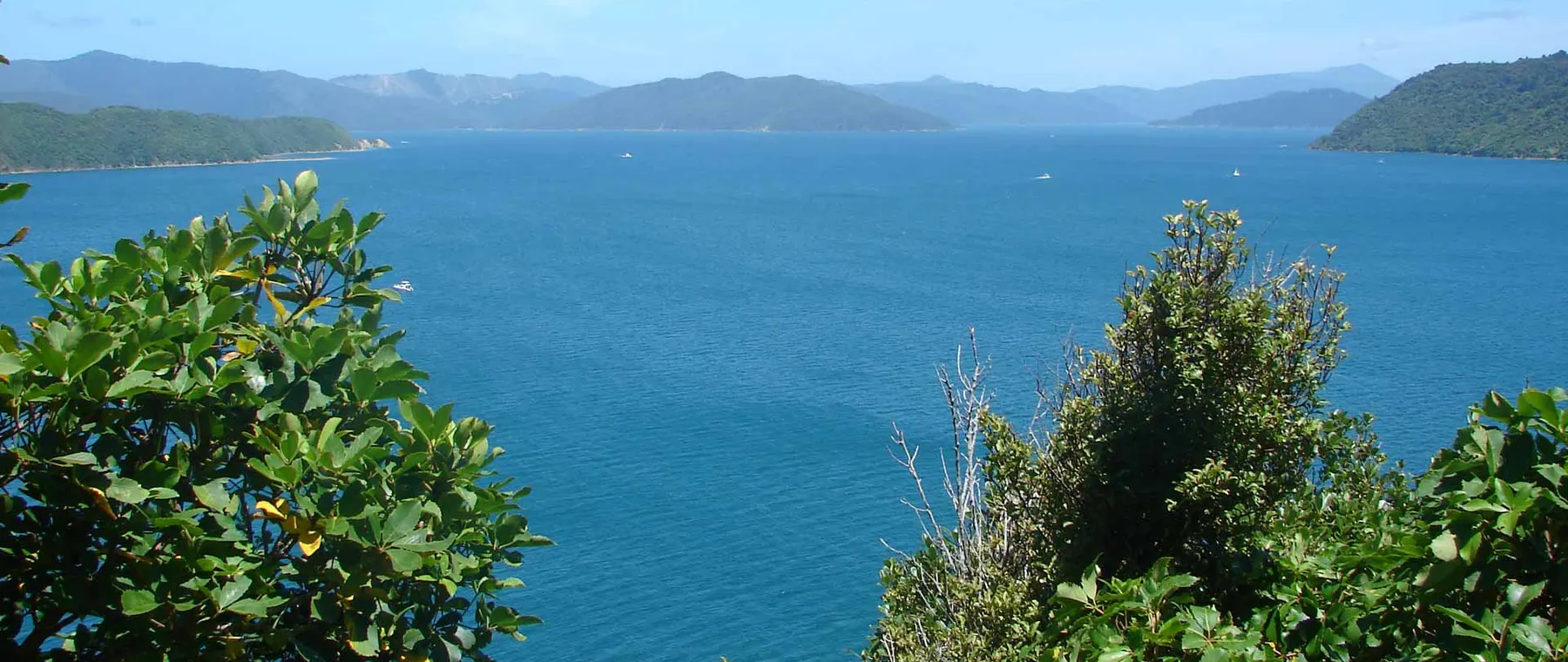
Queen Charlotte Sound/Tōtaranui rewards a kind of luxury travel that values time and interpretation. Forested ridges fold around a maze of bays, short boat passages can lead to remarkably different shore experiences, and Picton offers a practical gateway to the wider Marlborough region. The vessel may have all the comforts of a floating residence, but the attraction is outside: clear air, intricate waterways and a conservation landscape best visited without hurry.
Unlike a single harbour resort, a cruise in the Sounds works as a sequence of carefully selected passages, anchorages and tender landings. What looks sheltered on a map can still be exposed to a particular wind direction, and many bays are used by local boaters and commercial services. A serious itinerary therefore begins with the harbourmaster's navigation notices, current charts, local weather and the captain's understanding of how guests will return safely from every stop.
Motuara Island: conservation in the middle of the Sound
Motuara Island Scenic Reserve lies opposite Meretoto/Ship Cove in Queen Charlotte Sound. New Zealand's Department of Conservation says visitors can reach the island by their own boat, scenic cruise or kayak and use a landing jetty, making it an appealing small-group shore excursion from a yacht whose captain has verified suitable nearby access. The jetty is a landing facility, not permission to berth a large motor yacht at the island.
DOC describes an island where conservation work has made space for rare native birdlife. After rats were eradicated in 1992, several species, including South Island robin/toutouwai, tīeke/saddleback and yellow-crowned parakeet/kākāriki, were transferred to the reserve. For guests, the fascination is the prospect of hearing and occasionally seeing these birds in habitat that is managed for their survival rather than for close-up entertainment.
The official Motuara lookout track runs from the jetty towards a summit viewing platform and offers views across the surrounding water. It is described as a 1.6-kilometre return outing, generally taking around 40 minutes, with an easy-to-intermediate grade; the figure is an official route estimate rather than a guarantee for every guest. A crew should still assess steps, surface conditions, weather and the needs of anyone who cannot comfortably make the climb.
DOC prohibits dogs from the reserve, and good visitor discipline matters even without pets. Remain on the marked route, avoid distracting wildlife for photographs, check footwear and gear for unwanted seeds or pests, and resist treating the island as an open-access beach club. A quiet guided walk can be both more memorable and more compatible with conservation than a noisy tender arrival followed by a rushed photo session.
Meretoto/Ship Cove and the layered history of the Sounds
Across the water, Meretoto/Ship Cove offers another meaningful stop on a longer programme. DOC identifies the cove as a place used by James Cook on his voyages, while also presenting the deeper Māori associations of Queen Charlotte Sound/Tōtaranui. A thoughtful guide should resist telling the history as though it began with a European ship's arrival; the waterways already sustained communities, movement and knowledge.
The region's Māori histories describe the Sounds as routes for waka and vital sources of food, with low saddles used to travel between waterways. Guests can appreciate the landscape from the deck, but cultural interpretation is most rewarding when informed by local voices. Organise visits through appropriate local providers, respect place names and observe any site-specific guidance rather than turning historic locations into a series of interchangeable stops.
Ship Cove and Motuara sit close enough to make a paired outing attractive in settled conditions, yet combining both in a rigid timetable is unwise if swell, ferry traffic or guest mobility complicates transfers. Leave room for a longer conversation ashore or an unexpected stretch of birdwatching. The essence of private-yacht travel is precisely that the experience can remain responsive without sacrificing comfort.
Picton, provisioning and the practical waterfront
Picton is a natural starting point for a cruise in Queen Charlotte Sound, offering a working waterfront, shore services and onward travel connections. But commercial ferry movements, small craft and local navigation constraints require respect; the route of a large visiting yacht should be planned with current traffic and local rules in mind. Captains must confirm moorage, vessel dimensions, berth services and passenger landing arrangements with the relevant operator before advertising a stop as confirmed.
Onshore luxury need not mean finding a single marquee hotel. A well-run programme might bring a guide on board, arrange a private transfer to local culinary experiences or spend a relaxed afternoon exploring the town before slipping back into quieter scenery. Fresh ingredients can support an elegant dinner at anchor, provided food and waste arrangements respect the marine environment and the crew's operating capabilities.
The Marlborough District Council publishes current harbour notices, including navigation matters that can change more quickly than a travel guide. In October 2026 its notice index lists activity around Picton Harbour as well as separate construction and operational notices, reinforcing why charts and seasonal recollections are insufficient on their own. Check the actual notice text, boundaries and effective dates shortly before transit, and follow harbourmaster directions where applicable.
Weather, wildlife ethics and the art of a relaxed passage
DOC cautions that conditions in the Sounds can change quickly, especially on the water. A captain planning tender excursions should judge gusts, swell, visibility, daylight and the reliability of the landing, not merely a broad regional forecast. Allocate return windows generously and keep the ability to cancel or substitute a visit if the weather makes a protected conservation island a poor choice for that day.
Wildlife encounters require the same restraint. Bird-rich islands are places to observe rather than stage photographs, and marine mammals elsewhere in the Sounds must be approached in accordance with New Zealand's applicable rules. Do not promise guests that dolphins, seals or particular birds will appear; thoughtful interpretation and patient observation can make an outing rewarding regardless of what is seen.
The Sounds also invite low-impact decisions that are easy for a professional crew to build into routine. Avoid anchoring without understanding local restrictions and seabed conditions, keep noise low near settlements and wildlife, manage greywater and waste conservatively, and use existing public landings only as permitted. A yacht's sophistication should be visible in its operating standards as much as in the finish of its guest cabins.
A three-day Queen Charlotte Sound itinerary
Day one could begin with arrival planning and a leisurely Picton call, leaving time for a local guide to explain the geography and Māori history of Tōtaranui. After services and guest transfers are confirmed, the yacht might move to a suitable location selected for that evening's weather. Avoid promising a particular anchorage until the captain has checked charts, restrictions and available depth.
On day two, a settled morning could support a small-group excursion to Motuara Island, with a bird-focused walk, binoculars and the option of a longer stop at the lookout. The yacht's crew should coordinate tender handling with other visitors and protect the island's no-dogs rule. If conditions allow, a complementary cultural or historical visit towards Ship Cove can add meaning without trying to cover the whole region in a day.
Day three can remain deliberately flexible: a quiet coastal passage, another shore encounter arranged with local guides, or a return to Picton for departure services. Leave a genuine weather contingency rather than letting the charter calendar dictate unsafe movements. The final impression should be of intimacy with an extraordinary landscape, achieved through excellent seamanship and small decisions that protect what makes it special.