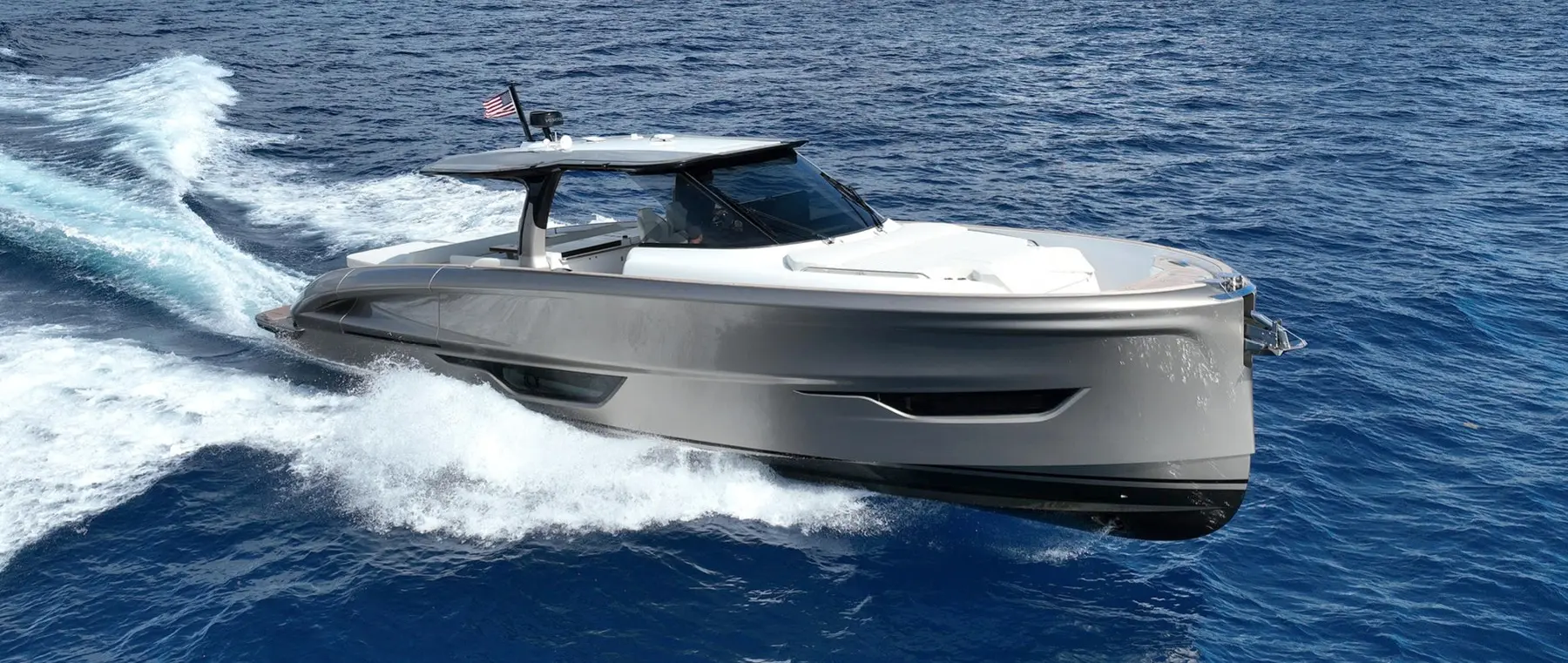
A windscreen that changes the boat
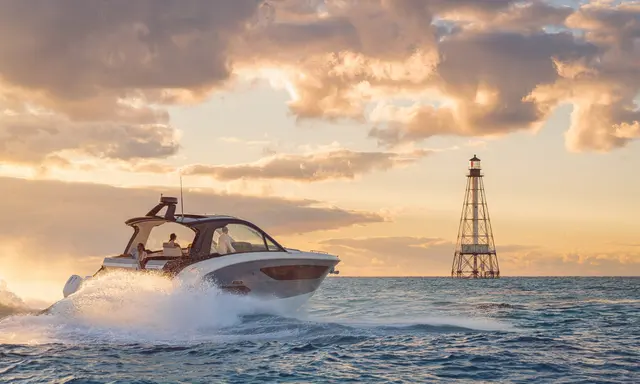
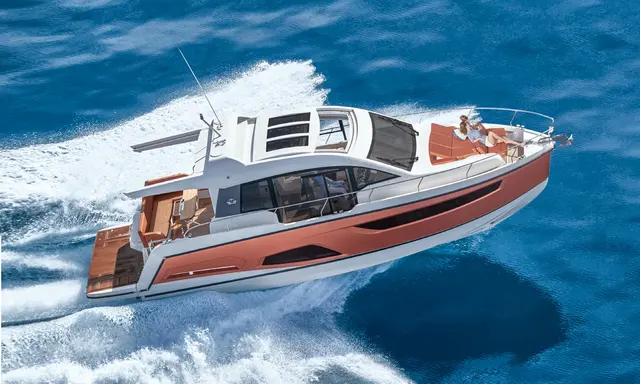
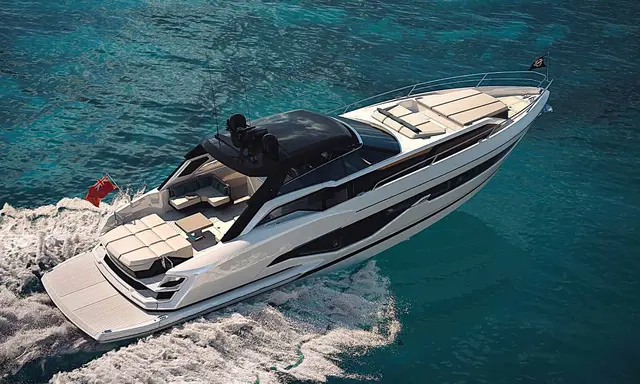
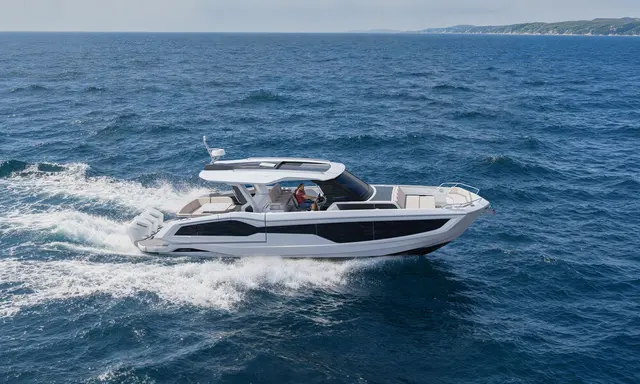
The Solaris Power 52 Open ST shows how a seemingly modest alteration to a motor yacht can change the way its deck is used. By extending the windscreen to full height and providing more overhead cover, the Italian builder aims to keep the outdoor living area comfortable for longer in varied weather. It is a development of an established 52-foot platform that made a public premiere in 2026, not a claim of a brand-new launch this week. The contemporary buyer can therefore consider both a familiar hull and a revised experience aboard.
Open walkaround cruisers appeal to owners who want movement, visibility and a close relationship with the water. That freedom can become less enjoyable when a headwind reaches the cockpit at cruising speed, particularly over long distances. More effective shelter is not only about the driver but about whether passengers can remain seated and relaxed. A full-height screen is valuable when its protective effect reaches the whole social area.
The builder stresses the increased shade created by the Open ST arrangement and presents the result as a more versatile version of its open model. A taller structure inevitably changes the yacht's profile and adds something to its visual mass. The challenge is to provide protection while preserving the broad sightlines that made the original attractive. A prospective owner should evaluate the profile from the dock and then test the shelter while underway.
Before choosing the design, take the helm in low sun and when the wind comes from different directions. Look for reflections, rainwater tracks and turbulence around the edge of the screen rather than assuming a large pane solves all weather problems. The relationship between the wheel, instruments and screen can affect visibility as much as the glass itself. A test in less-than-perfect weather may reveal more about comfort than a calm showroom appointment.
The practical value of 16.2 metres
The yacht measures 16.2 metres overall with a 4.95-metre beam, according to the manufacturer. That relatively generous width creates space for large sofas and the expansive main-deck living arrangement that Solaris promotes. The yard describes a sea-facing sofa with places for as many as fourteen people, a striking illustration of available seating. However, a seating claim must not be confused with the number of people the vessel is certified to carry.
Solaris states a maximum capacity of twelve persons in its current technical specifications. This difference between the promotional sofa count and the passenger limit is worth emphasising for prospective owners planning group outings. Physical room for fourteen people to sit does not authorise carrying fourteen passengers. The maximum on the applicable certification plate should determine how the boat is used.
The layout's two full-sized sofas are intended to allow conversation and lounging without making every guest compete for a single cockpit table. This can give the outdoor space a more residential atmosphere, especially when the boat is used as a platform for swimming and long lunches. Circulation remains critical, though, because furniture only feels generous when guests can walk around it easily. Check routes to the bathing platform, side decks and boarding points with other people seated.
A beam approaching five metres creates its own ownership implications. Finding a berth with sufficient width, handling lines in a crosswind and arranging seasonal marina access should be considered early in the buying process. Space gained in the yacht is helpful only if its home and frequently visited harbours can accommodate it safely. The practical cruising area and marina capacity can matter more than another few feet of cockpit furniture.
Flexible cabins and engine packages
Below the main deck, Solaris offers a family-oriented arrangement with two cabins as the standard technical configuration and a third cabin as an option. Marketing describes the three-cabin possibility particularly enthusiastically, but the available sleeping space depends on the exact arrangement selected. Two bathrooms serve the accommodation, allowing a degree of privacy on weekends aboard. Buyers should inspect the individual cabins rather than rely entirely on a total berth figure.
The builder credits Brunello Acampora of Victory Design and the Solaris Power design team for the yacht, with Roseo Design responsible for interiors. That combination has to balance large outdoor living spaces with the quieter requirements of comfortable overnight travel. Good storage, usable standing height and the ability to move through the cabin area without disturbing others are practical measures of success. A third cabin may increase flexibility while changing the size or use of adjoining compartments.
Twin Volvo Penta D6 IPS650 units of approximately 480 horsepower each appear in the standard propulsion specification. Buyers can also consider optional Volvo Penta D8 IPS800 units rated at approximately 600 horsepower each, according to the maker's published data. The corresponding maximum speed estimates are 30 and 35 knots, with advertised cruising speeds of 24 and 27 knots. Real-world performance will vary with load, sea conditions and equipment installed.
The IPS pod-drive configuration is designed to offer responsive manoeuvring and a particular arrangement of machinery spaces. Its operating convenience should be assessed alongside the local availability of engineers familiar with the system. Ask a dealer to demonstrate access to service items and to explain the maintenance schedule for the actual drive package. Long-term support can be just as important to confident ownership as the handling impressions of one sea trial.
Range and the right cruising brief
Solaris lists fuel capacity at approximately 2,000 litres and freshwater at 550 litres. Those tanks may support substantial trips, but tank volume alone does not establish practical range or the number of days a family can remain away from a marina. The engine package, speed, sea state and the need to retain fuel reserves all affect planning. Owners should seek measured consumption data for the load they expect to carry.
The published draught is about 1.19 metres, while light and loaded displacements are approximately 17,700 and 21,500 kilograms respectively. A boat at the upper end of that weight band will behave differently from a lightly equipped demonstration example. Dinghies, provisions, passengers and water add up quickly during summer cruises. A meaningful sea trial should reflect the actual equipment and typical number of guests.
Comparing the 52 Open ST with the traditional 52 Open and the more enclosed 52 Coupé clarifies the intended compromise. The ST tries to retain much of the open-deck character while adding shelter from wind and strong sunlight. This may be well suited to owners who spend long summer afternoons outdoors but occasionally make passage in less comfortable conditions. Others may prefer the entirely open feel or the protection of a cabinhouse.
The 52 Open ST is most persuasive as a carefully adjusted version of a proven 16.2-metre platform. It brings more weather protection, flexible accommodation and genuine propulsion choices to a layout already centred on outdoor social space. Its exact appeal will depend on where an owner cruises, how many people travel and whether the additional shelter performs well in practice. A measured comparison of those factors is far more useful than simply calling it the roomiest boat in its class.