A funding target for an open marine system
UK marine technology business SmartBoat has opened a £500,000 fundraising round to support commercial development of SmartBoatOS. The company's announcement, distributed by Yachting Ventures in November 2026, describes a platform intended to make different onboard electrical and digital systems easier to monitor and control from a more coherent interface. The funding round is an invitation to investors, not a statement that the target has already been raised.
The development matters because even a moderately sized cruising yacht can contain several different instrument, alarm and monitoring systems that do not communicate seamlessly. SmartBoat's proposition is to connect them without requiring every existing product to come from the same manufacturer. Whether that ambition succeeds depends on interoperability, reliability and the actual installations delivered.
SmartBoatOS is a platform rather than one instrument
The company describes SmartBoatOS as an open next-generation marine operating system. Its purpose is to bring data from different connected devices into a usable framework, supporting diagnostics, monitoring and appropriate control functions. The term operating system should not lead readers to assume that it replaces certified navigation electronics or the vessel's fundamental electrical protection.
A platform coordinating onboard information can be valuable but has to work with reliable hardware interfaces, permissions and fail-safe procedures. Owners should ask which functions remain available if the central display or network is offline. A polished interface alone cannot guarantee safety or universal compatibility.
An explicitly commercialisation-focused round
The proposed £500,000 investment is intended to help turn early technology development into broader commercial deployment. The company has described interest from equipment manufacturers, refitters, installers and boatbuilders following contact at events such as Southampton International Boat Show and the US IBEX exhibition.
Interest and exploratory conversations are not contracts. The public announcement does not provide a completed raise, a list of committed investors or audited recurring revenue. A responsible report should retain the distinction between an open investment opportunity and money already received.
A founder-led proposition
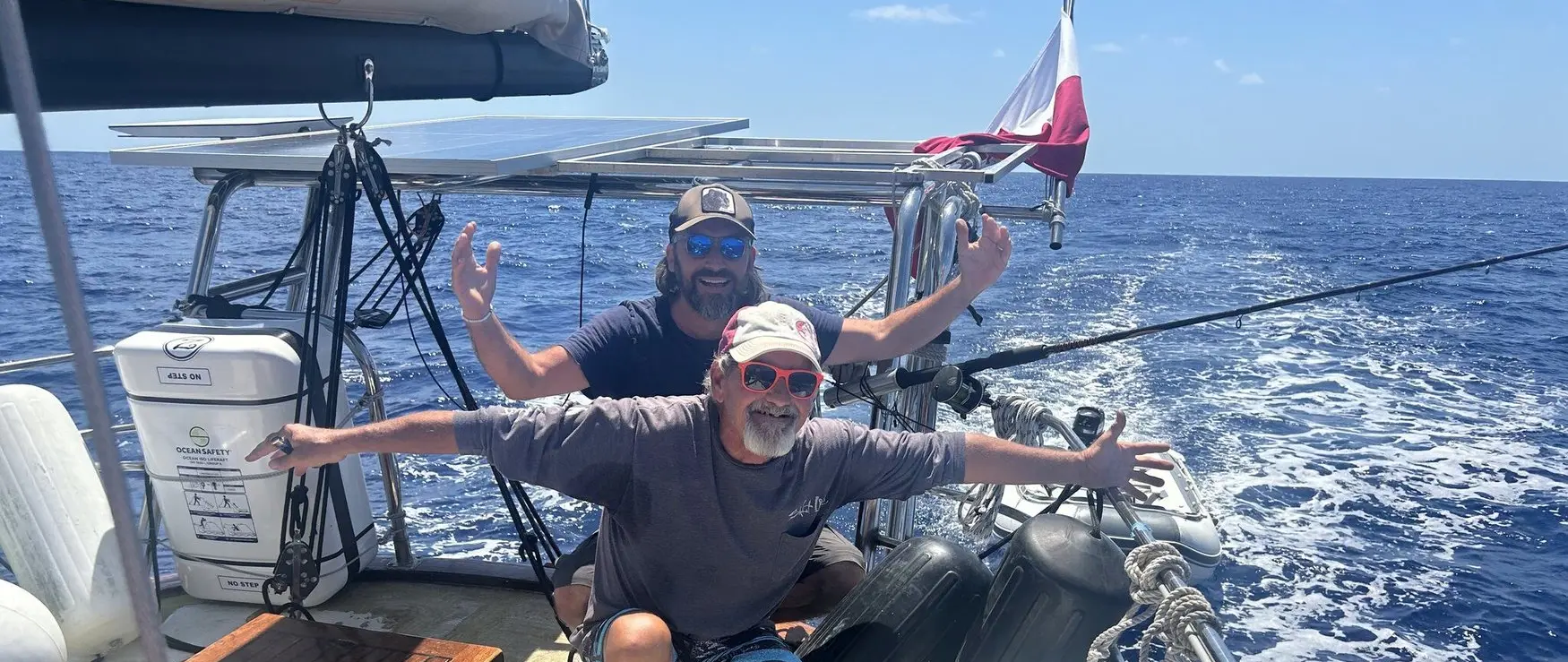
Chris Saunders is identified in the funding announcement as SmartBoat's founder. The associated first-party startup release includes an original portrait of him, rather than an image of a particular yacht at sea. The photograph illustrates who is leading the commercial effort, not proof of an onboard test result.
Founder experience and the way a product is presented can help readers understand an early-stage business, but they are not substitutes for independent technical evidence. Prospective partners should evaluate prototype performance, documentation, security and long-term support as carefully as they would with a more established manufacturer.
Real-world installations inform development
The company says the platform has been developed with practical vessel installations, giving engineers a chance to evaluate how software, electronics and connected systems interact in marine conditions. This is a meaningful distinction from a concept shown only in presentations, although the announcement does not supply an independently certified installation count.
An early working deployment may demonstrate important functions without establishing that every supported device will behave correctly on another yacht. Electrical architecture, software versions and existing network equipment differ. Buyers should request a demonstration relevant to their own boat and a list of validated hardware combinations.
A central view of onboard conditions
A marine monitoring platform can consolidate information about power supplies, selected equipment states and alerts. For an owner spending time away from the yacht, a clearer view may help identify what warrants attention. SmartBoat's materials outline connected monitoring and diagnostics as part of the intended experience.
Remote or centralised data should not be treated as an infallible assessment of a vessel's condition. Sensors can fail, communications can disappear and some defects do not generate an automatic alarm. Physical inspection, suitable safety equipment and skilled maintenance remain essential.
The Smart Terminal Controller concept
The company's published technical materials describe a Smart Terminal Controller that works with connected terminal blocks to oversee electrical circuits and report selected faults. This reflects a design approach in which the control software is supported by dedicated onboard electronics rather than relying only on existing chartplotter screens.
An electrical monitoring device must be installed in accordance with appropriate marine standards and the boat's specific power architecture. The ability to display circuit states is not permission to bypass fuses, breakers or essential safety protections. An owner's technical adviser should review the proposed arrangement before installation.
Compatibility is a practical test
SmartBoat speaks about community and partner catalogues through which owners can find compatible equipment and potentially add it to their boat's system. An open ecosystem may be attractive in a fragmented marine equipment market, where a yacht can contain electronics built by many different businesses.
The phrase open does not automatically mean that every marine device is supported or that third-party integrations are free. Protocols, licenses, physical interfaces and update arrangements matter. Buyers should request a current compatibility list and understand what happens when an equipment supplier changes its software.
Installation on existing vessels
Refitting a connected platform to a boat already in service can introduce wiring and configuration challenges that do not arise in a new build. An owner may wish to preserve familiar systems while adding more accessible monitoring. The company has identified refitters and marine installers as potential commercial customers.
A retrofit must account for wiring condition, available space, access to existing sensors and the effect on warranty arrangements. It would be misleading to claim that one hardware module can instantly modernise any vessel without engineering work. Installation scope should be agreed before costs or schedules are committed.
Cybersecurity requires explicit attention
A connected yacht system can create new questions about account access, remote commands and software updates. If a platform can monitor or control valuable onboard devices, owners need to understand authentication, access privileges, diagnostic logs and what communications leave the vessel.
The funding announcement does not provide a completed independent penetration test or certify that SmartBoatOS eliminates cyber risk. Such assurances should not be inferred. The right questions concern the controls actually implemented, how vulnerabilities are handled and whether essential vessel systems remain safe during a network failure.
A more coherent crew experience
Owners and crew may appreciate not having to consult numerous unconnected dashboards for basic system conditions. A properly integrated interface could reduce unnecessary switching between displays and help support routine checks during departure, while at anchor or when returning to the marina.
The word could is important: benefits depend on the quality of the interface and training. Excessive alerts, ambiguous controls or incorrect system states can create new confusion. Operators should assess the actual display behaviour and fault management process before relying on it.
New builds can integrate the system earlier
Shipyards planning a new model have opportunities to organise electrical circuits and sensors around a coherent architecture. If a supplier is involved before construction, it may be easier to plan wiring runs, support access and the relationship between the vessel's hardware and software.
However, design-stage integration can also increase dependence on a particular technology provider. Builders should consider documentation, component replacement, data portability and the continuing availability of technical support. A promising open platform needs a credible long-term maintenance pathway.
An investor presentation is scheduled
SmartBoat plans to present the opportunity at Yachting Ventures' online pitch event on 1 December 2026. That gives potential backers a near-term occasion to hear more, but it is not a guarantee of financial support or a definitive product-release date.
The company's public materials do not establish a universally available production version for every device category. Interested yacht owners should contact the business for current deployment status instead of interpreting an investment-pitch date as a completed commercial rollout.
Why the 12-to-24-metre audience matters
A yacht in Luxury Yacht Guide's main length range can contain many of the same categories of systems found on larger vessels, albeit at different scale and cost. Owners often manage domestic power, refrigeration, pumps and communications alongside their ordinary navigation electronics.
A platform that helps make that information intelligible could therefore have relevance to this audience. Yet the appropriate hardware, connectivity and installation cost must match the boat. The announcement contains no audited savings figure showing that the system will pay for itself on a particular model.
Image provenance is limited to the founder
The accompanying image is the official founder portrait carried in Yachting Ventures' original SmartBoat investment announcement. It is a real, attributed photograph and not an AI rendering of an imaginary control system. The image does not depict a completed £500,000 transaction or a certified installation.
The original photographer and the organisations that supplied the portrait retain their rights. This use is editorial context for a named founder-led funding story; it should not be accompanied by invented claims about what equipment appears in the background.
From technical promise to commercial verification
The confirmed development is the opening of a £500,000 fundraising round to commercialise SmartBoatOS, with the company citing practical development work and industry conversations. It is not evidence that funding has closed, that every listed partnership is contracted or that performance claims have been independently validated.
For Luxury Yacht Guide readers, the news raises useful questions about interoperability and onboard monitoring. The next milestones to report would be verified investment results, named production integrations, demonstrable functionality and appropriate security documentation. Until then the platform remains a business proposition to evaluate carefully.
Primary sources and image provenance
News based on the current verified manufacturer or event news announcement and original builder, event or authorised distributor specifications and imagery. © SmartBoat / Yachting Ventures and original photographer. Founder photograph supplied with Yachting Ventures' own first-party startup funding announcement; not a photo proving funding completion or a product trial. Images are genuine original subject-specific manufacturer, authorised distributor or original event photographs or official product design visual; they are not AI newsroom artwork. Prior events, future shows and construction are identified distinctly.