A practical route into dual-mode propulsion
VETUS has introduced the M2HSET hybrid propulsion set for two-cylinder M-Line diesel engines, offering owners and boatbuilders a way to add low-speed electric operation without necessarily replacing an existing diesel installation. The Dutch marine systems company published its announcement on 19 October 2026, and the product remains relevant as winter maintenance and refit planning begins across Northern Europe. The system is designed for the M2.13 and M2.18 engines, so it is not an across-the-board conversion for every diesel-powered yacht. It pairs a belt-driven electric motor with the conventional propeller shaft and offers separately selectable electric-only and diesel-only operating modes. For Luxury Yacht Guide readers, the development illustrates the kind of measured electrification that may be appropriate for a smaller cruising yacht with compatible machinery. Owners should treat it as a defined engineering product, not a promise that every vessel can cruise silently for unlimited hours. Its practical value depends on the installed powertrain, battery sizing, cruising programme and the availability of qualified installation support.
Why the exact engine matters
The official VETUS announcement identifies two compatible engines: M2.13 and M2.18. That is a material limitation because yacht engines differ in mounting geometry, shaft arrangements, cooling equipment and available machinery-space clearance. A conversion kit engineered for one engine family should not be assumed to fit unrelated diesels merely because the power ratings appear similar. The first step in any assessment is to record the existing engine model, serial number, gearbox specification, shaft geometry and configuration of ancillary equipment. A qualified VETUS technician should inspect the space around the engine before confirming feasibility. In a yacht built with very tight engine access, a proposed conversion may create difficult future servicing even if the hardware can physically be installed. Owners should seek a written compatibility statement and complete installation quotation. A conversion that appears inexpensive on a parts list can become costly if new shaft fittings, power cables, ventilation and control panels require major interior work.
How the electric and diesel modes differ
VETUS describes electric-only operation for slow movement through marinas, urban waterways and sensitive cruising areas. The manufacturer positions the diesel mode for higher speeds and longer passages where greater endurance is necessary. These functions complement one another but are not interchangeable. An electric motor will draw energy from its connected battery bank, and the usable period depends on its electrical capacity, the boat's resistance and the chosen speed. When diesel propulsion is engaged, the engine can deliver its familiar long-range performance subject to its normal fuel supply and service condition. The practical advantage is the freedom to choose between quieter movement for short distances and conventional power for extended travel. A skipper must understand how the mode change is initiated and what feedback confirms the selected state. The system should be demonstrated under supervision before relying on it in a crowded harbour. A dual-mode installation adds options, but it also introduces controls that require training and periodic inspection.
The energy recovery arrangement
A distinctive feature is the way the electric machine can help recharge the connected battery when the diesel is operating. VETUS states that the system can regenerate up to 30 amps in diesel-only mode. The company's description explains that the rotating propeller shaft drives the electric motor as a generator through a purpose-designed belt and pulley arrangement. Owners should not mistake the maximum current for a guaranteed charging rate in all conditions. Charging performance depends on shaft speed, system settings, battery acceptance and the condition of the components. Nor should recovered electricity be described as free energy: the diesel engine ultimately provides the mechanical work. The benefit is convenient replenishment of the dedicated battery bank without making access to an external shore-power point an absolute precondition for continued use. This may suit cruising programmes involving short electric manoeuvres interspersed with longer diesel passages. The correct battery capacity and operating schedule should be determined through a documented energy budget.
Why belt drives need attention
The M2HSET's motor is linked to the propeller shaft by a serpentine belt, with a pulley selected to provide the necessary reduction ratio. Such an arrangement can allow an additional power source to be integrated into the existing shaft line, but it creates maintenance tasks of its own. Belt condition, alignment, tension and the accessibility of adjacent rotating components need to be inspected at intervals specified by the manufacturer. A retrofit should include appropriate guards and safe isolation arrangements, particularly if the owner or technician may work nearby. The design must accommodate movement of the engine and shaft under load without creating excessive wear. Buyers should ask how the installer verifies alignment and how belt replacement is performed in the actual engine room. A demonstration model on a stand may allow unobstructed access that does not exist aboard a yacht. A good installation plan therefore considers future maintenance as well as the initial engineering work.
A dedicated control lever
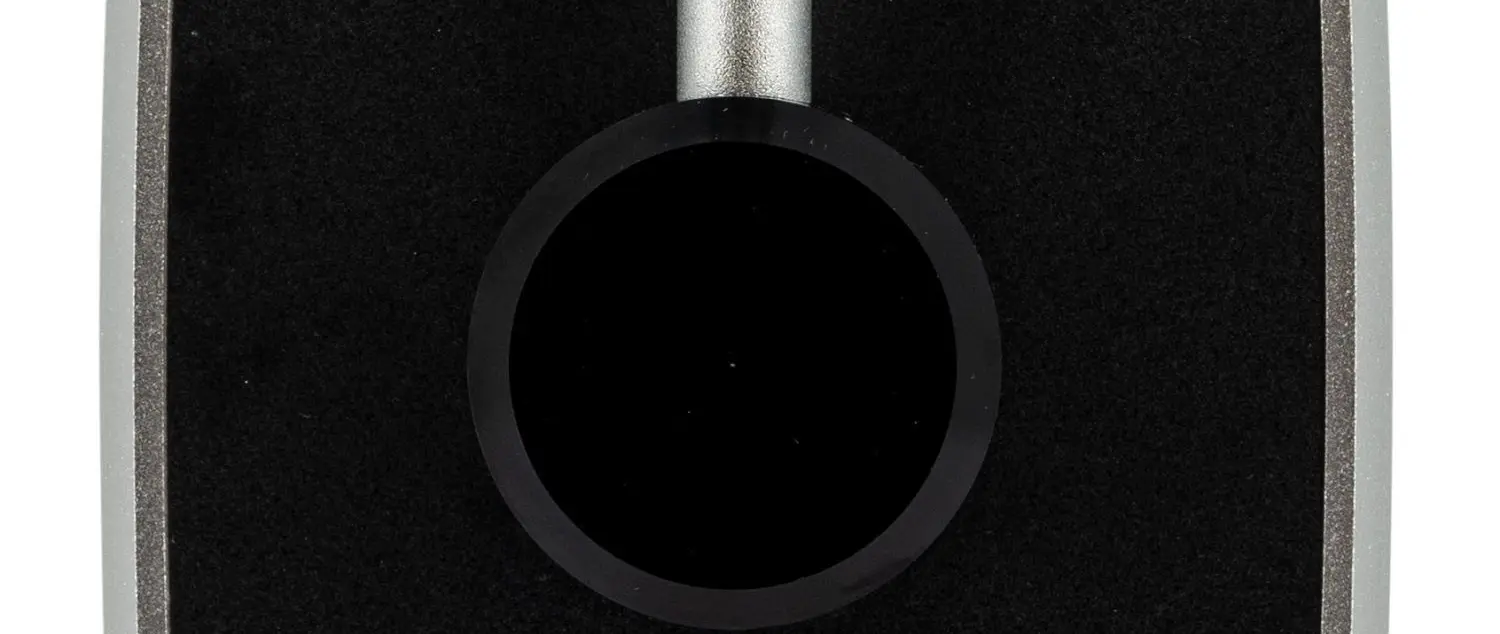
The manufacturer has introduced the ELPS2H side-mounted control lever for the hybrid set. It uses the VETUS V-CAN architecture and includes a neutral safety switch. These details matter because an additional mode of propulsion should not create confusion when a skipper is manoeuvring around other vessels or pontoons. Operators need an unambiguous indication of whether the electric system or the diesel is providing thrust, and the lever should behave predictably through forward, neutral and reverse commands. A neutral safety feature can help prevent an unintended engagement, but every safety function should be checked during commissioning. Installers should explain the consequences of a communication failure or insufficient battery charge and demonstrate how normal propulsion is restored. Familiarity is vital: it is not appropriate to hand a vessel over with a new propulsion mode and expect a skipper to discover the correct operating sequence in a tight berth. Clear labels, documentation and practical training are essential parts of the package.
Where hybrid operation makes sense
The most persuasive case for the M2HSET may be a boat that regularly travels short distances at low speed but occasionally needs the endurance of diesel propulsion. A marina approach, quiet early departure or passage through a sheltered inland waterway may be well suited to electric operation. A long coastal leg in a strong headwind may demand another strategy. The proportion of time spent in each mode will influence the practical environmental and financial result. A yacht that barely uses the electric system may not recover the cost of conversion through reduced fuel consumption, while one whose usual programme includes repeated low-speed passages could find the flexibility valuable. It is sensible to write down a typical week of cruising before investing. Include distance, expected speed, stops, hours at anchor and the energy required for hotel loads. No single propulsion label can substitute for understanding how the boat is actually used.
Battery capacity cannot be an afterthought
Electric propulsion requires a battery installation with appropriate capacity, current delivery, protection and monitoring. A buyer should not rely on a casual calculation based on a battery's nominal amp-hour rating alone. The relevant voltage, usable depth of discharge, cable losses and motor demand all affect the energy available at the propeller. Charging and discharging must remain within the limits of the selected battery technology and its management system. The installer should provide protection against short circuit, overtemperature and unsafe operation. Battery placement also affects vessel trim and the ease of inspection. An apparently small additional battery bank may still require substantial cabling and a secure mounting arrangement. Owners should confirm which batteries the engine manufacturer or authorised integrator supports for this hybrid system. Future replacement costs and the availability of spare parts deserve attention before the conversion is approved.
Integration with existing yacht systems
A yacht's propulsion is connected to other onboard equipment in ways that are not always obvious to the owner. Alternators, battery chargers, engine monitoring, cooling-water circuits and alarm systems may be affected by a hybrid installation. If the vessel also has bow thrusters or an electronic helm, the installer needs to explain how those systems operate while propulsion is electric. The shore-power setup should be evaluated for safe charging, even though VETUS says shore charging is not essential for continued operation of the hybrid concept. Proper documentation should include an updated electrical drawing and clear identification of fuses, switches and emergency isolation. A professionally commissioned yacht should be safe to maintain even when it has been shut down for the winter. The aim is to integrate a second propulsion option without creating an opaque electrical system that the next owner or service technician cannot understand.
The impact on comfort and noise
A quieter marina approach can improve the experience for passengers and for people aboard neighbouring vessels. However, electric propulsion does not make the entire yacht silent. The sound of propeller water movement, ventilation fans, hydraulic equipment and domestic appliances can still be heard. The level of improvement depends on the existing diesel installation and how effectively vibration and noise are isolated. Owners should seek a demonstration with measurements or at least a consistent comparison between modes under similar conditions. Likewise, local zero-emission operation is different from a claim of zero total emissions. Electricity used to charge batteries must be generated, and diesel operation remains part of the planned programme. The right environmental description is more precise: the hybrid set allows propulsion without local exhaust emissions during electric-only operation, subject to the installed battery and operating limitations. Broader lifecycle effects require separate assessment.
Why this is not a universal luxury-yacht upgrade
The specified two-cylinder engine family is commonly associated with smaller vessels and comparatively modest propulsion demands. Owners of larger, heavier or faster yachts should not assume an M2HSET installation is adequate merely because it is described as a hybrid marine product. For a 12–24-metre sailing yacht, the feasibility depends on the actual installed engine, vessel displacement and shaft arrangement; many boats in the upper part of that range will have different and more powerful machinery. VETUS has indicated that additional hybrid sets for higher power ranges are expected to follow, but prospective buyers should not order against an unconfirmed future specification. The M2HSET is best examined on its own merits: it offers a defined integration solution for two particular engines. The broader trend toward accessible hybrid systems is interesting, but size classification and actual engineering capability must remain separate.
What to request before signing a refit contract
A responsible proposal should include confirmation of engine and gearbox compatibility, drawings showing the motor and belt location, and a documented energy and battery plan. It should specify how control functions are integrated, which safety interlocks are fitted and what maintenance will be required. A sea trial should test quiet operation, return to diesel propulsion, low-speed manoeuvring and normal alarms in an environment where safe supervision is possible. The owner should ask what work may be completed by a local marine engineer and which tasks need a VETUS-trained service technician. Warranty provisions should identify how the new system interacts with the existing engine warranty. A quotation should include labour, parts, cabling, batteries, commissioning and any necessary certification. These details turn a promising product announcement into an informed ownership decision. They also prevent a refit from being judged solely by the advertised price of the kit.
The relevance of the autumn announcement
VETUS's October 2026 release describes an engineered hybrid option, not a prototype fitted only for a trade-show display. It brings electric-only manoeuvring and diesel endurance together for compatible M-Line two-cylinder installations, with energy recovery in diesel mode and a dedicated control lever. The announcement is relevant to owners planning winter upgrades because such work requires careful inspection and sufficient time for installation and testing. That does not mean a retrofit is justified on every yacht. A compatible boat used frequently in low-speed areas may have a credible operational case, while another owner could be better served by maintaining existing machinery or selecting a different vessel. For Luxury Yacht Guide readers, the important lesson is to treat hybridisation as an engineering choice based on real usage and a documented energy budget. The benefits will be most convincing where the chosen equipment genuinely matches the yacht.
Sources and manufacturer image credit
The engine compatibility, regeneration figure, mode descriptions and control lever details come from the official VETUS M2HSET announcement dated 19 October 2026 and the VETUS product and engine information. The lead image is VETUS's official product-catalogue photograph of its hybrid propulsion control lever, relevant to the ELPS2H controls described above. It is not an image of the complete hybrid powertrain or of an installed yacht. Image credit: VETUS, official product press visual. Copyright remains with the manufacturer or originating creator; the image is used solely to illustrate independent editorial reporting of the product.