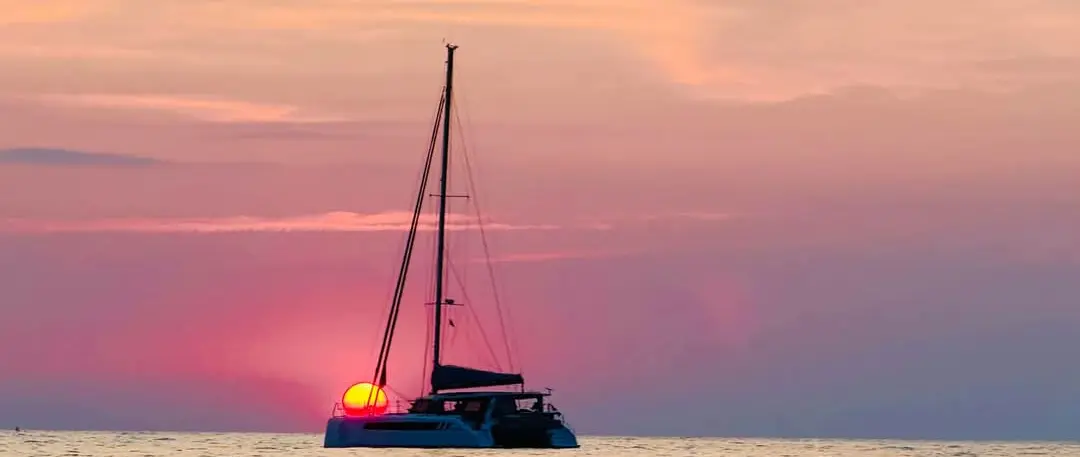
Thousands of miles changed the owners' view of what matters most
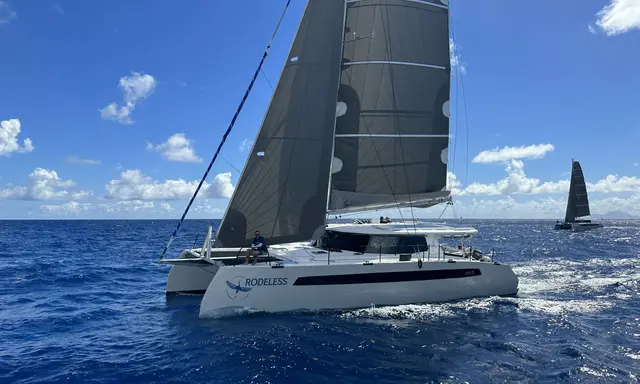
Paul and Robin Hooge moved aboard their 13.7-metre Seawind 1370 to sail full time and have since covered thousands of miles through Southeast Asia before relocating to the Mediterranean. Seawind invited them to bring Odyssea to the Cannes Yachting Festival, where the owners used their accumulated experience to explain why they remained committed to the design.
Their account is valuable because priorities often change after sustained time offshore. Features that dominate a brochure can become less important than visibility, shelter, ease of sail handling and the ability to move safely around the yacht when conditions deteriorate.
The owners compare the 1370's philosophy with a safety-led car design
The Hooges describe Odyssea as their 'Volvo at sea', using the comparison to explain that safety is embedded in the yacht's architecture rather than added as a checklist of equipment. Their choice followed years of high-risk travel and outdoor activity, experiences that made them particularly sensitive to how equipment behaves when circumstances go wrong.
Seawind's design philosophy begins with protected helm positions, clear visibility, manageable systems and genuine sailing performance before arranging the accommodation around those requirements. For the owners, that order of priorities proved more important than simply maximising interior volume.
Protected twin helms reduce fatigue and keep the crew connected
Odyssea's twin helms allow the person steering to change sides as sun, wind and sea conditions shift while remaining inside the protected cockpit environment. Routine sail controls can be handled from that sheltered area, reducing the amount of time crew need to expose themselves on deck during difficult conditions.
The arrangement also keeps the helmsman close to the saloon and other people aboard rather than isolated on a high flybridge. During long passages, that connection can improve communication and reduce fatigue, particularly for couples who divide watchkeeping without professional crew.
Performance becomes a safety tool offshore
The owners also argue that sailing performance has a direct safety role. The 1370 combines fine hulls, high bridgedeck clearance, relatively light displacement and an efficient sail plan, giving the skipper more options to alter speed or course as weather systems develop.
After nearly three years aboard, the Hooges say the yacht has met the challenges they have encountered while remaining comfortable enough to serve as a full-time home. Their experience provides a long-duration ownership perspective on a 45-foot catamaran whose design aims to balance offshore capability with the living standards expected in the LYG market.
Official sources: www.seawindcats.com.