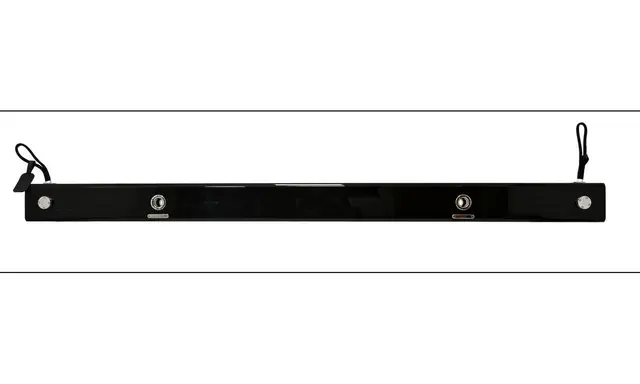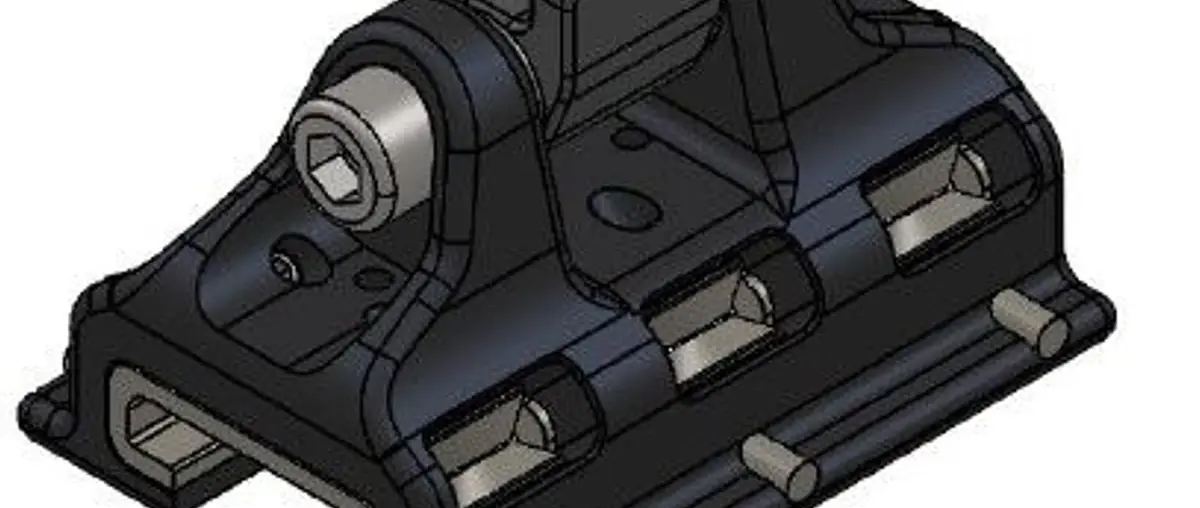
Rigging Projects has announced that its newly developed Batten Car has been shortlisted for a DAME Award at METSTRADE 2026. The product, which features proprietary split-roller bearings, is being positioned as an advanced solution to the increasing demands placed on modern performance sailing yachts between 12 and 23.99 metres. The company claims that its technology reduces friction by up to 50% compared to traditional slider-type cars during hoisting, dropping, and reefing operations. While these bearings are said to eliminate binding under off-axis loads through independent rotation, the performance claims have not been independently audited.
The Batten Car is designed to work with both legacy track systems and Rigging Projects’ new Stack Track system, which is tailored for modern sails that generate higher loads. This dual compatibility allows for a more flexible retrofitting option, though exact compatibility with existing tracks requires verification. The DAME shortlisting marks a significant milestone for the company, highlighting its commitment to re-engineering batten car and track technology in response to evolving sail designs and performance expectations.
Engineering Innovation: Split-Roller Bearings and Their Impact on Sail Efficiency
The core innovation of Rigging Projects’ Batten Car lies in its proprietary split-roller bearings. These bearings are designed to reduce friction during critical sail operations such as hoisting, dropping, and reefing. The company claims that this reduction in friction can be as high as 50% compared to traditional slider-type cars. This improvement is attributed to the unique geometry of the split-roller design, which allows for independent rotation at different speeds. By doing so, the bearings minimize binding under off-axis loads, a common issue with conventional systems.
However, it is important to note that these performance claims have not been independently verified or audited by third-party organizations. While the engineering concept behind split-roller bearings is sound and aligns with known principles of mechanical efficiency, the actual reduction in friction and its impact on sail handling remains a claim rather than an established fact. For yacht owners and crews, this means that while the technology presents a potential advantage, its real-world effectiveness will depend on further testing and validation.
Retrofitting Considerations: Compatibility with Legacy Track Systems
One of the key features of Rigging Projects’ Batten Car is its compatibility with legacy track systems. This allows for retrofitting without requiring a complete overhaul of existing rigging infrastructure. However, the exact compatibility with various track types has not been fully detailed or verified by the manufacturer. Yacht owners considering this upgrade should be aware that while the product is marketed as retrofittable, there may be limitations in terms of load capacity and performance when used with older systems.
The company emphasizes that the true benefits of the Batten Car are realized when it is paired with its new Stack Track system. This dedicated track is specifically designed to handle the higher loads generated by modern sails, particularly those used in foiling and structured luff configurations. For owners looking to maximize performance gains, integrating the Batten Car with the Stack Track may be a more effective approach than relying solely on retrofitting. Nevertheless, the need for verification of compatibility with existing tracks remains an important consideration.
Performance Claims vs. Verified Outcomes: A Critical Evaluation
While Rigging Projects highlights the potential benefits of its split-roller bearings, it is essential to distinguish between performance claims and verified outcomes. The company asserts that these bearings reduce friction by up to 50% during sail operations, but this figure has not been independently tested or confirmed. For yacht owners and crews operating vessels in the 12 to 23.99 metre range, such a significant reduction in friction could translate into improved handling, reduced wear on rigging components, and enhanced overall efficiency. However, without independent verification, these claims remain speculative.
The engineering community generally acknowledges that reducing friction in sail systems can lead to better performance, but the extent of this improvement is often dependent on multiple factors, including sail design, wind conditions, and crew technique. Therefore, while the Batten Car’s split-roller bearings represent a promising advancement, their real-world impact will require further empirical validation before they can be universally endorsed.
The Stack Track System: A Dedicated Solution for Modern Sail Technology
Rigging Projects’ new Stack Track system is specifically engineered to accommodate the higher loads generated by modern sailing technologies such as foiling and structured luff sails. These sails are designed to operate under extreme aerodynamic forces, which traditional track systems may not be able to handle effectively. The Stack Track is intended to provide a more robust and reliable platform for these advanced sail configurations, ensuring that the increased mechanical demands do not compromise performance or safety.
For yacht owners operating vessels in the 12 to 23.99 metre range, the Stack Track represents an upgrade that aligns with current trends in high-performance sailing. However, it is important to note that this system is not a retrofit solution for existing tracks. Instead, it requires integration into new installations or significant modifications to existing rigging setups. This may present challenges for owners looking to upgrade without extensive reconfiguration of their vessel’s infrastructure.
Operational Tradeoffs: Balancing Performance Gains and Retrofit Challenges
The decision to adopt Rigging Projects’ Batten Car and Stack Track system involves a careful evaluation of operational tradeoffs. While the split-roller bearings are marketed as an improvement in friction reduction, the actual impact on sail performance may vary depending on the specific application. For yachts that frequently engage in high-load sailing scenarios, such as foiling or racing conditions, the benefits of reduced friction could be substantial. However, for vessels that operate under more moderate conditions, the gains may be less pronounced.
Retrofitting existing track systems with the Batten Car presents its own set of challenges. The compatibility of the product with legacy tracks is not fully specified, and without detailed technical specifications or independent verification, owners must proceed with caution. This uncertainty could lead to unexpected performance issues or the need for additional modifications beyond what was initially anticipated.
Specification and Configuration Checks: Ensuring Proper Integration
For yacht owners and crews looking to integrate Rigging Projects’ Batten Car into their vessel’s rigging system, a thorough specification and configuration check is essential. The product’s compatibility with existing track systems remains an area of uncertainty, as the company has not provided detailed information on which legacy tracks are supported. This lack of clarity could lead to misalignment or improper installation, potentially compromising the effectiveness of the upgrade.
Additionally, the integration of the Batten Car with the Stack Track system requires careful planning and coordination. Since the Stack Track is a dedicated solution for modern sail technology, it may necessitate changes to the vessel’s existing rigging layout. Owners should consult with experienced riggers or marine engineers to ensure that all components are properly aligned and configured to meet the specific requirements of their yacht.
Reliability and Maintenance: Key Considerations for Long-Term Use
The reliability and maintenance requirements of Rigging Projects’ Batten Car are critical factors for yacht owners operating vessels in the 12 to 23.99 metre range. While the company claims that its split-roller bearings reduce friction and eliminate binding under off-axis loads, these assertions have not been independently verified. This means that the long-term reliability of the product remains a subject of speculation rather than an established fact.
Maintenance considerations are also important. The Batten Car’s design may require regular inspection and servicing to ensure optimal performance, particularly in high-load scenarios. For owners who rely on their vessels for competitive sailing or extended voyages, the ease of maintenance and the availability of replacement parts will play a significant role in the product’s overall value proposition.
Comparative Analysis: Batten Car vs. Traditional Slider-Type Systems
A comparative analysis between Rigging Projects’ Batten Car and traditional slider-type systems reveals both similarities and differences in their design and functionality. The primary distinction lies in the use of split-roller bearings versus conventional sliding mechanisms. While the Batten Car is marketed as a significant advancement due to its reduced friction and improved handling, the actual performance gains over traditional systems remain unverified.
For yacht owners evaluating this technology, it is important to consider the potential benefits of reduced friction, such as smoother sail operations and decreased wear on rigging components. However, without independent testing or real-world data, these advantages cannot be definitively quantified. Traditional slider-type systems have been widely used for years, and their reliability in various sailing conditions is well-documented. Therefore, while the Batten Car represents an innovative approach, its effectiveness compared to established solutions remains a point of debate.
Market Positioning and Industry Reception: A New Benchmark in Rigging Technology
Rigging Projects’ Batten Car has been strategically positioned as a cutting-edge solution for modern performance sailing yachts. The company’s emphasis on split-roller bearings and reduced friction aligns with the industry’s growing demand for more efficient and durable rigging systems. However, the lack of independent verification for its performance claims has led to cautious reception from some within the marine engineering community.
Industry experts have expressed interest in the potential benefits of the Batten Car but have also raised questions about the need for further testing and validation. For yacht owners and crews, this means that while the product represents an innovative approach to rigging technology, its real-world effectiveness will depend on continued evaluation and empirical data. The DAME shortlisting is a positive step, but it does not yet equate to widespread adoption or endorsement.
Future Implications: How Batten Car Could Influence Yacht Rigging Trends
The potential influence of Rigging Projects’ Batten Car on future yacht rigging trends is significant, particularly as the industry continues to evolve with advancements in sail technology and performance expectations. The split-roller bearing design represents a shift towards more efficient and durable rigging systems, which could set new standards for how sails are handled and maintained.
For yacht owners operating vessels between 12 and 23.99 metres, adopting this technology may offer long-term benefits in terms of reduced maintenance costs and improved sail handling. However, the industry’s response to these innovations will depend on further testing, real-world data, and the ability of manufacturers to provide clear performance metrics. As the demand for high-performance sailing continues to grow, the Batten Car could play a pivotal role in shaping the future of yacht rigging technology.
Conclusion: Balancing Innovation with Practical Considerations
In conclusion, Rigging Projects’ Batten Car represents an innovative approach to modern sail handling through its use of split-roller bearings. While the company claims significant performance improvements over traditional slider-type systems, these assertions remain unverified and require further empirical validation. For yacht owners and crews operating vessels in the 12 to 23.99 metre range, the decision to adopt this technology involves a careful evaluation of both its potential benefits and the practical considerations of retrofitting and long-term reliability.
The industry’s reception of this innovation will ultimately depend on the availability of independent testing data and real-world performance metrics. As the demand for high-performance sailing continues to grow, the Batten Car may play a significant role in shaping future rigging trends. However, until its claims are substantiated through rigorous testing, its impact on the market remains speculative. For now, the DAME shortlisting marks an important milestone, but it is not yet a definitive endorsement of the product’s capabilities.
Sources and image credits
Reporting based on Rigging Projects official DAME nomination dated 27 October 2026, Rigging Projects original T34 X batten car manufacturer product gallery.
Lead rendering: Rigging Projects T34 X Batten Car, original manufacturer product rendering. First-party Rigging Projects technical product visual (a manufacturer CAD rendering, not a generated news image), distributed in its product catalogue. Original official image source.