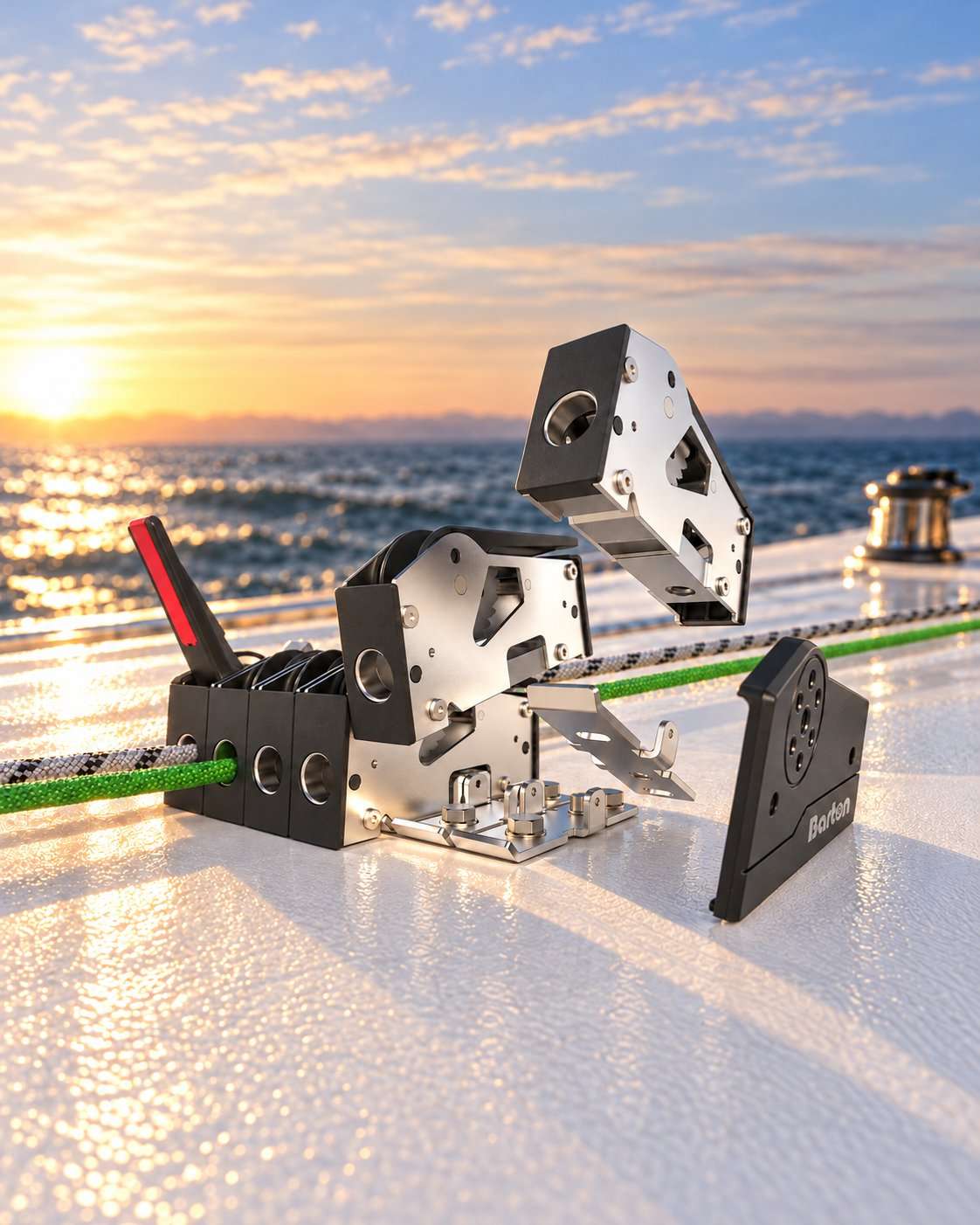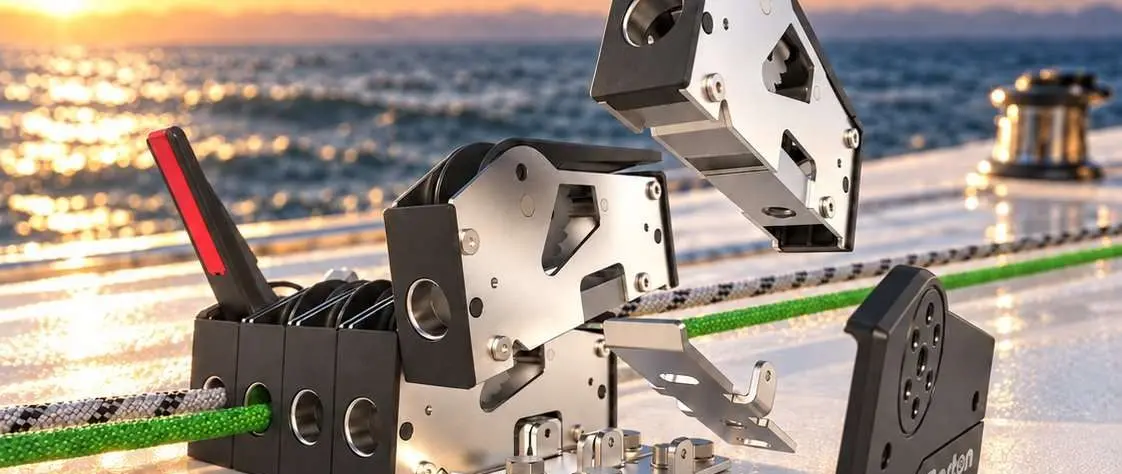
At METSTRADE 2026, Barton Marine introduced its latest innovation in yacht rigging technology: the Modular Clutch System (MCS 1000). The product, unveiled on stand 01.474 from the 17th to 19th November, marks a significant step forward for OEMs, riggers, dealers, and end users seeking greater flexibility in line handling systems. The MCS 1000 is designed as a modular solution that allows for custom configurations of clutches, with the potential to be assembled into banks of one, three, or ten units. This system aims to simplify stock management for retailers by reducing the number of SKUs needed, while also offering users the ability to tailor their setups according to specific operational needs.
The MCS 1000 is engineered with a focus on compatibility and ease of installation, featuring base plates that can be fitted during factory construction or pre-delivery inspections. This reduces the risk of damage during transit and allows for seamless integration into existing yacht designs. The system also supports the use of existing drill holes when replacing units from other brands, minimising the need for additional deck modifications. These practical considerations make the MCS 1000 a compelling option for both new builds and refits on yachts ranging from 12 to 23.99 metres.
Modular Design and Customisation Options
The modular nature of the MCS 1000 is central to its appeal, offering users the ability to customise their clutch configurations without the need for multiple separate units. The system allows for a single clutch starter pack with two end plates, which can then be supplemented by additional internal units to form a bank of clutches. This flexibility means that boat builders and riggers can tailor the setup to match specific line diameters, operational requirements, or aesthetic preferences. For example, a yacht owner might choose to install three clutches for handling multiple lines on a racing vessel, while another may opt for a single clutch for simpler sail control in a cruising scenario.
The modular design also simplifies stock management for retailers and distributors, as they only need to maintain two fast-turning SKUs: the base unit and the internal modules. This reduces inventory costs and streamlines supply chain operations, making it easier for dealers to provide customers with tailored solutions without excessive logistical complexity. For OEMs, this approach allows for greater design versatility during the construction phase, enabling them to integrate the MCS 1000 into a wide range of yacht configurations without compromising on performance or aesthetics.
Compatibility and Deck Integration
One of the key advantages of the MCS 1000 is its emphasis on compatibility with existing yacht designs and installation practices. The system’s base plates are engineered to utilise existing drill holes when replacing units from other brands, minimising the need for additional deck modifications during refits or upgrades. This feature is particularly beneficial for yacht owners looking to retrofit their vessels without incurring significant costs or disruption. By reducing the amount of drilling required, the MCS 1000 helps preserve the structural integrity of the deck and avoids the potential for damage that can occur with traditional installation methods.
For boat builders, the compatibility of the MCS 1000 is a valuable asset during the construction phase. The base plates can be fitted in the factory, allowing for pre-installation of clutch modules that are then supplied as part of the finishing pack for mounting during pre-delivery inspections. This approach not only reduces the risk of damage or rework during transit but also ensures a more streamlined and efficient installation process. By integrating the MCS 1000 into the build phase, OEMs can offer customers a more refined and ready-to-use rigging system that aligns with their design specifications without compromising on quality or performance.
Material Durability and Environmental Considerations
The MCS 1000 is constructed using high-quality materials designed to withstand the demanding conditions of marine environments. The clutches are manufactured from 316 stainless steel, a material known for its exceptional corrosion resistance and durability in saltwater settings. This choice ensures that the system remains functional and reliable over extended periods, even when exposed to harsh weather and constant use. Additionally, the components incorporate marine-grade Nylon 7, which provides both strength and flexibility while maintaining resistance to UV degradation and chemical exposure.
Beyond material selection, Barton Marine has also considered the environmental impact of the MCS 1000 throughout its lifecycle. The modular design facilitates easier disassembly at the end of the product’s life, enabling components such as base plates and side cheeks to be reused or recycled. This approach aligns with growing industry trends toward sustainability and responsible manufacturing practices. For yacht owners and operators, this means that the MCS 1000 not only offers long-term reliability but also contributes to a more environmentally conscious approach to yacht maintenance and refitting.
Holding Performance and Line Compatibility
The MCS 1000 is engineered to deliver enhanced holding performance, with a capacity of up to 1000kg on larger line diameters. This level of strength ensures that the system can effectively manage the forces exerted by heavy-duty lines commonly used in sailing yachts measuring between 12 and 23.99 metres. The design also allows for greater rope tolerance, accommodating lines ranging from 6mm to 12mm in diameter without compromising grip or performance. This flexibility is particularly advantageous for yacht owners who may need to adjust their rigging configurations based on changing sailing conditions or equipment upgrades.
The ability of the MCS 1000 to handle a wide range of line diameters reduces the need for multiple specialised clutch units, streamlining both installation and maintenance processes. For example, a single system can be configured to manage both standard cruising lines and heavier-duty racing ropes without requiring separate components. This adaptability not only simplifies rigging setups but also ensures that yacht owners can maintain optimal performance across different sailing scenarios while minimising the complexity of their line-handling systems.
Cam Teeth Design and Line Integrity
A notable innovation in the MCS 1000 is its cam teeth design, which is specifically engineered to prevent damage to ropes while allowing for greater tolerance in line handling. Unlike traditional clutch mechanisms that can cause wear or fraying on rope surfaces, the MCS 1000’s cam teeth are designed to grip securely without compromising the integrity of the line. This feature is particularly important for yacht owners who rely on high-quality rigging systems to ensure both safety and longevity of their equipment.
The increased tolerance provided by the cam teeth design also allows for more forgiving adjustments in line tension, which can be beneficial during sailing operations where quick changes in conditions are common. For example, in situations where wind shifts or waves create sudden changes in load, the MCS 1000’s ability to maintain a secure grip without damaging the rope ensures that the system remains reliable and functional. This design consideration not only enhances the performance of the clutch system but also reduces the risk of premature wear on lines, contributing to longer service life and lower maintenance costs for yacht owners.
Installation and Maintenance Considerations
The MCS 1000’s modular design simplifies both installation and maintenance processes, offering significant advantages for yacht owners and operators. The ability to assemble clutches in custom configurations means that users can tailor their setups to match specific operational needs without the need for multiple separate units. This flexibility is particularly beneficial during refits or upgrades, where existing systems may require modification rather than complete replacement. By allowing for modular expansion, the MCS 1000 reduces the complexity of installation while maintaining high performance standards.
From a maintenance perspective, the system’s design facilitates easier access to individual components, making routine inspections and servicing more efficient. The use of durable materials such as 316 stainless steel and marine-grade Nylon 7 ensures that the clutch units remain functional for extended periods with minimal wear. Additionally, the modular nature of the MCS 1000 allows for targeted replacement of damaged or worn parts without requiring the entire system to be replaced, which can significantly reduce maintenance costs over time. For yacht owners, this means a more cost-effective and sustainable approach to rigging management that aligns with both performance and longevity expectations.
Impact on Cockpit Deck Layout and Operational Efficiency
The introduction of the MCS 1000 has significant implications for cockpit deck layout and operational efficiency on yachts measuring between 12 and 23.99 metres. Traditional clutch systems often require multiple units to be installed side by side, which can lead to cluttered decks and reduced accessibility for crew members. The modular design of the MCS 1000 allows for a more streamlined installation process, enabling users to customise their setups without compromising deck space or usability. This is particularly advantageous in racing yachts where every inch of deck area can impact performance and crew coordination.
By consolidating multiple clutches into a single, cohesive system, the MCS 1000 not only improves aesthetics but also enhances operational efficiency. The ability to configure the clutch bank according to specific line diameters and usage patterns ensures that sailors have the right tools at their fingertips without unnecessary complications. For cruising yachts, this streamlined approach can contribute to a more organised cockpit environment, reducing the risk of entanglement or mismanagement of lines during sailing operations. Overall, the MCS 1000 offers a practical solution for yacht owners seeking to optimise both functionality and space on their vessels.
OEM Integration and Factory Installation
For original equipment manufacturers (OEMs), the MCS 1000 presents an opportunity to integrate advanced rigging technology into new builds with greater ease and efficiency. The system’s modular design allows for factory installation of base plates, enabling boat builders to incorporate the clutch units during the construction phase rather than relying on post-delivery modifications. This approach ensures that the MCS 1000 is seamlessly integrated into the yacht’s structure, reducing the risk of damage or rework during transit and improving overall build quality.
By supplying clutch modules as part of the finishing pack for mounting during pre-delivery inspections, OEMs can ensure that the system is fully functional before the vessel reaches its final destination. This not only streamlines the installation process but also allows for greater control over the final product’s performance and aesthetics. For yacht builders, this level of integration means they can offer customers a more refined and ready-to-use rigging solution that aligns with their design specifications without compromising on quality or reliability.
Refit Considerations and Long-Term Sustainability
The MCS 1000’s modular design offers significant advantages for refits, particularly in terms of ease of disassembly, component reuse, and long-term sustainability. Yacht owners who are planning to upgrade their rigging systems can benefit from the ability to separate materials for recycling or repurposing without the need for complete system replacement. This is especially relevant for older vessels where retrofitting may require careful consideration of existing deck structures and installation constraints.
The modular nature of the MCS 1000 allows for targeted replacement of individual components, such as base plates or side cheeks, rather than discarding the entire system when certain parts become worn or damaged. This approach not only reduces waste but also extends the lifecycle of the rigging equipment, contributing to a more sustainable maintenance strategy. For yacht owners, this means that refits can be carried out with greater efficiency and lower environmental impact, aligning with growing industry trends toward responsible yacht management and resource conservation.
Industry Implications and Market Positioning
The introduction of the MCS 1000 by Barton Marine has broader implications for the yacht industry, particularly in terms of market positioning and competitive differentiation. As a modular clutch system that offers customisation options and streamlined installation, the MCS 1000 positions Barton as an innovator in rigging technology, appealing to both OEMs and end users seeking greater flexibility in their line-handling solutions. This approach aligns with industry trends toward modular and adaptable systems that cater to diverse operational needs without compromising on performance or reliability.
For competitors, the MCS 1000 represents a potential challenge as it offers a unique value proposition through its compatibility features, ease of installation, and environmental considerations. The ability to utilise existing drill holes and integrate the system during factory construction provides a distinct advantage over traditional clutch systems that may require more extensive modifications. As the yacht industry continues to evolve with an emphasis on sustainability and efficiency, the MCS 1000’s design philosophy positions Barton Marine as a forward-thinking manufacturer capable of meeting the demands of modern yacht owners and builders.
Sources and image credits
Reporting based on Barton Marine company product announcement published by PressMare on 13 November 2026.
Lead photograph: Barton Marine MCS 1000 Modular Clutch System on deck, company press photograph. Barton Marine company press photography released alongside its 2026 MCS 1000 announcement via PressMare. Original official image source.