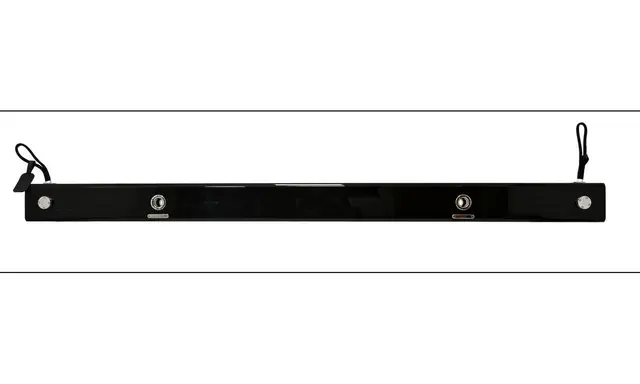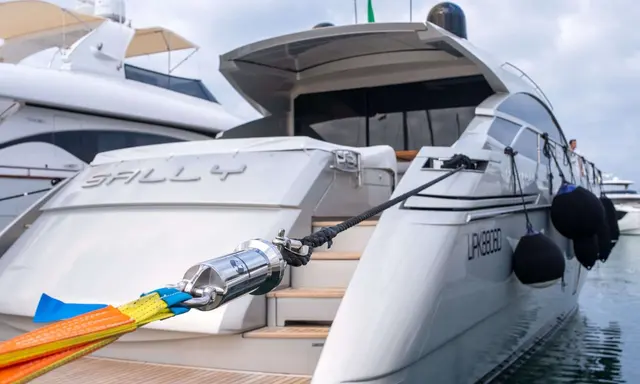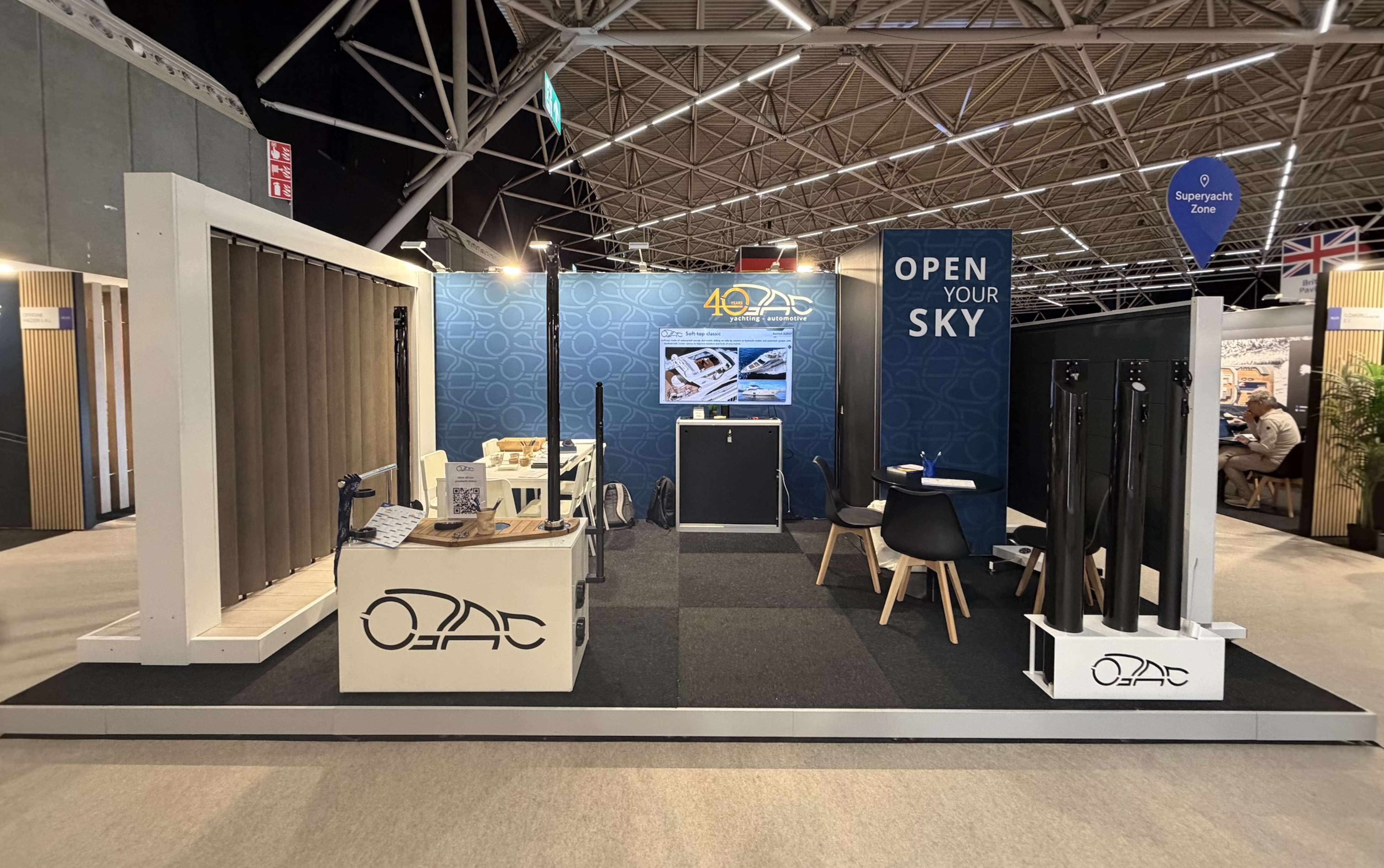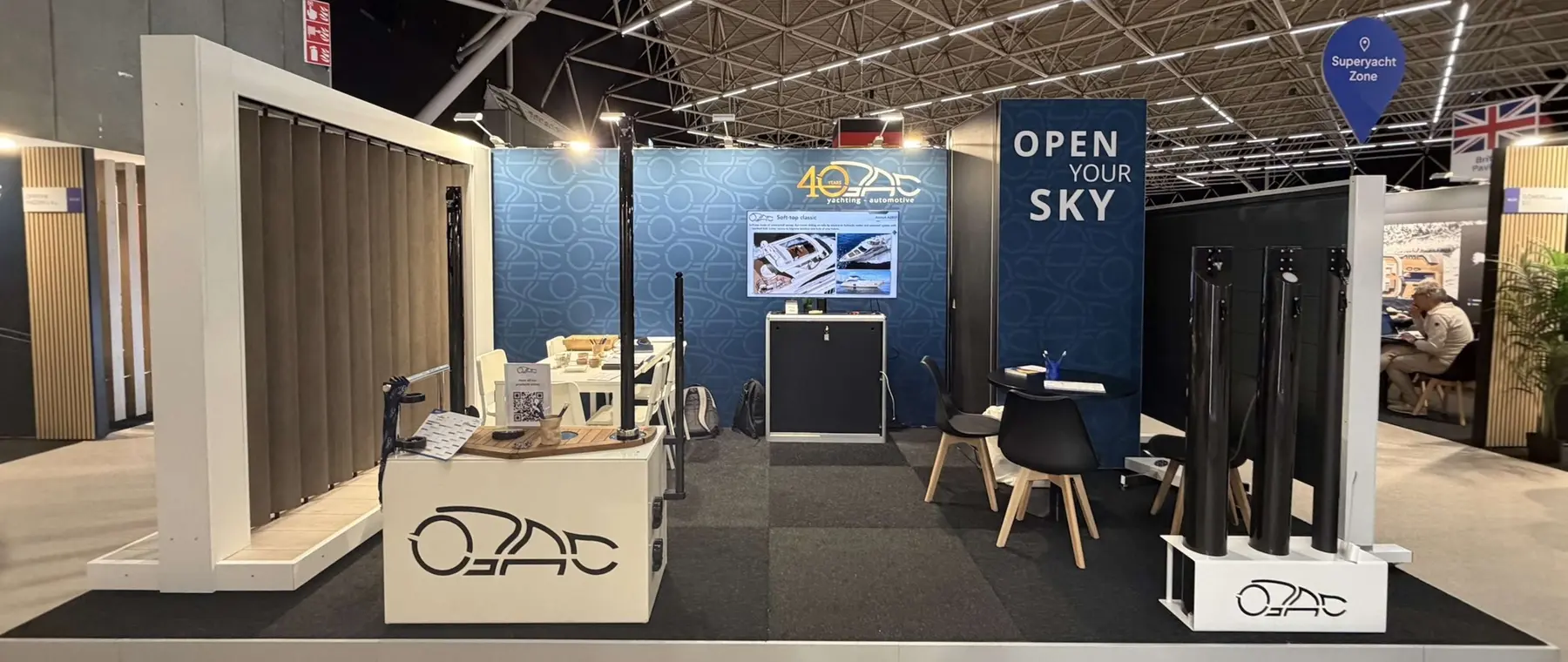
Opac presented three groups of marine shading and interior products at METSTRADE 2026: adaptable carbon-fibre poles to support awnings, lighting integrated into selected poles and hard-top structures, and a motorised louvred partition that can divide an onboard space. The manufacturer, whose work spans automotive and marine roofs and screening, exhibited these additions in Amsterdam during the 17–19 November show. Their appeal is straightforward: outdoor deck areas need sun cover that can be removed, evening seating areas benefit from carefully placed light, and flexible interior spaces sometimes need privacy without permanent walls. The products are offered in different configurations, not as a single package guaranteed to fit every yacht.
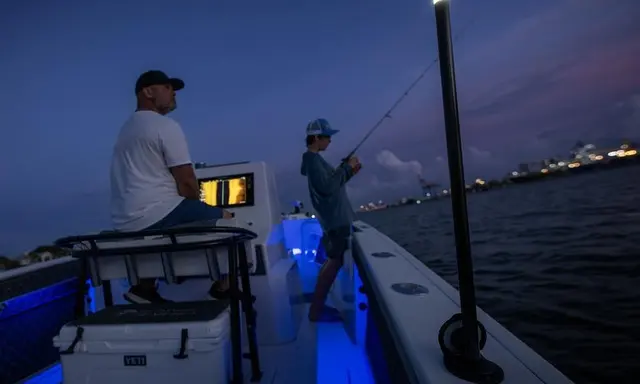
The company describes a shade-pole lighting concept in which one pole connects to the yacht's electricity and power is routed to the others through wiring integrated into the awning seam. The lower lights illuminate steps or deck surfaces, while adjustable upper lights can illuminate the awning fabric for reflected, indirect light. Its louvred hard-top uses integrated LED strips with brightness adjustment. Opac also showed an electrically sliding louvred interior partition that can stack its elements to one side or divide them between two sides, with bespoke dimensions and finishes. For owners and designers of 12–23.99 metre yachts, installation remains a custom engineering and design question; the company has not released a universal compatibility or price schedule.
Carbon Support Poles: Lightweight Strength for Shade Awnings
The carbon support poles introduced by Opac represent a significant advancement in shading systems for yachts. These poles are designed to hold shade awnings in place while maintaining tension, ensuring that the fabric remains taut and effective even in varying weather conditions. The material choice—carbon fiber—offers a combination of strength and lightness, which is particularly advantageous for larger yachts where weight distribution is critical. The poles come in different heights and can be fixed to the deck or bulwark using various mounting options, allowing for customization based on the yacht’s design and the yard’s specifications.
One of the key features of these poles is their compatibility with a range of awning fabrics. Opac has developed a self-supporting configuration in collaboration with sailmakers that ensures the canvas is properly tensioned without the need for additional support structures. This not only simplifies installation but also enhances the longevity of the awning system. The ease of setup and takedown makes these poles ideal for yachts that require frequent reconfiguration of their deck spaces, such as those used for charter or long-haul cruising.
The practical implications for yacht owners are clear: the carbon poles provide a durable and adaptable solution for shading areas on deck. Their lightweight nature reduces stress on the vessel’s structure, while the variety of mounting options allows for seamless integration with existing designs. However, it is important to note that the installation process requires careful planning to ensure proper tensioning and alignment. For yachts operating in high-traffic or commercial environments, the ability to quickly deploy and retract shading systems can be a significant operational advantage.
LED Lighting Integration: Enhancing Ambiance Without Glare
The integration of LED lighting into Opac’s carbon poles and hard-top structures marks a shift towards more energy-efficient and versatile onboard illumination. The company has introduced two types of spotlighting: lower fixed lights that illuminate the deck and act as step lights, and upper adjustable lights that can be directed at the awning fabric to spread light over the area below. This dual approach ensures that shaded spaces remain functional and comfortable even in low-light conditions.
The LED lighting system is designed to avoid the harsh glare associated with traditional lighting sources. By using indirect illumination through the awning fabric, Opac has created a more ambient and natural lighting effect. The LEDs are embedded within the structure of the poles and hard-top, making them discreet yet effective. This design also allows for adjustable intensity settings, giving yacht owners control over the level of brightness in their shaded areas.
For yachts that operate in regions with extended daylight hours or where evening use is common, this lighting system offers a practical solution. The energy efficiency of LED technology reduces power consumption, which can be beneficial for both environmental and cost considerations. However, the reliance on integrated wiring within the awning fabric means that maintenance and potential repairs may require careful handling to avoid damaging the electrical components. Yacht owners should also consider the compatibility of these lighting systems with their existing electrical infrastructure to ensure seamless operation.
Motorized Louvred Partitions: Versatile Privacy and Acoustic Control
The electrically sliding louvred partitions introduced by Opac are a standout feature in the company’s latest product line, offering yacht owners a flexible solution for both interior and external spaces. These partitions are designed to provide adjustable privacy while also incorporating sound-insulating materials for enhanced acoustic performance. The louvres can be configured in various ways, including side-opening or curtain-style openings, allowing for customized use based on the specific needs of the vessel.
One of the notable applications of these partitions is their integration into hard-top structures, where they serve as both a visual and auditory barrier. The ability to slide the louvres to one side or split them symmetrically creates dynamic control over light and sound within the yacht’s interior. This adaptability makes the partitions suitable for a wide range of environments, from private lounges to open-plan salons.
For yachts that prioritize acoustic comfort, especially in high-traffic areas or when hosting guests, the sound-insulated variants of these partitions offer an added benefit. The material composition and construction methods used by Opac ensure that the partitions effectively reduce noise transmission without compromising their aesthetic appeal. However, the complexity of these systems means that installation and maintenance require specialized knowledge to avoid potential issues with alignment or functionality.
Customization Options: Tailoring Solutions for Individual Yachts
Opac’s approach to customization is a key factor in its appeal to yacht owners who seek tailored solutions for their vessels. The company offers made-to-measure configurations for all three product lines, ensuring that each solution aligns with the specific requirements of the yacht and its intended use. For the carbon poles, this includes variations in height, mounting options, and compatibility with different awning materials. Similarly, the LED lighting system can be adjusted to match the desired intensity levels and placement within the structure.
The motorized louvred partitions are equally customizable, with options for material selection—wood or aluminium—and finishes that cater to both aesthetic and functional preferences. The inclusion of sound-insulated variants further expands the range of possibilities for yacht owners looking to enhance their vessel’s acoustic environment. This level of customization allows Opac to address a diverse array of needs, from private yachts requiring discreet privacy solutions to commercial vessels needing adaptable spaces for different activities.
However, the emphasis on customization also means that installation and commissioning processes can be more complex. Yacht owners must work closely with Opac’s technical team to ensure that all specifications are accurately met. This collaboration is essential to avoid misalignment or functional issues that could arise from improper configuration. The trade-off between bespoke solutions and increased complexity highlights the importance of careful planning and professional oversight when integrating these systems into a yacht’s design.
Installation and Maintenance Considerations: Practical Implications for Yacht Owners
The successful integration of Opac’s new products into a yacht’s design depends on careful installation and ongoing maintenance. For the carbon poles, the process involves securing them to the deck or bulwark using the appropriate mounting options. The self-supporting configuration developed in collaboration with sailmakers simplifies this process but still requires precise alignment to ensure optimal tensioning of the awning fabric. Yacht owners should consider the accessibility of these poles for maintenance and potential adjustments, as well as their impact on the vessel’s overall weight distribution.
The LED lighting system, while integrated into the structure of the poles and hard-top, requires attention to electrical connections and wiring. The design that powers the other poles through the awning seam is an innovative solution but may necessitate regular checks to ensure that the wiring remains intact and functional. Yacht owners should also be aware of the potential for wear and tear on the LED components over time, particularly in environments with high humidity or exposure to saltwater.
For the motorized louvred partitions, installation involves aligning the louvres with the existing structure and ensuring that the electrical systems are properly configured. The complexity of these systems means that maintenance may require specialized tools and expertise. Yacht owners should factor in the cost and time associated with regular servicing to avoid disruptions in functionality. Additionally, the use of sound-insulated materials may influence the overall weight and structural integrity of the vessel, which should be evaluated during the design phase.
Engineering Significance: Balancing Innovation and Practicality
The engineering behind Opac’s new products reflects a balance between innovation and practical application, particularly for yachts in the 12.00–23.99 metre range. The carbon support poles, for instance, leverage the properties of carbon fiber to achieve both strength and lightness, which is crucial for maintaining the structural integrity of larger vessels without adding unnecessary weight. This material choice also contributes to the longevity of the shading systems, as it resists corrosion and wear in marine environments.
The integration of LED lighting into the poles and hard-top structures demonstrates Opac’s commitment to energy efficiency and ambient illumination. The use of indirect light through the awning fabric not only enhances the aesthetic appeal of shaded areas but also reduces glare, which is a common issue with traditional lighting solutions. This approach aligns with broader industry trends towards sustainable and user-friendly design in luxury yachts.
The motorized louvred partitions represent another engineering milestone, combining mechanical precision with acoustic functionality. The ability to adjust both the position and intensity of light through these systems offers yacht owners greater control over their onboard environment. However, the complexity of these systems means that they require careful planning and execution during installation to ensure optimal performance.
Business Implications: Market Positioning and Competitive Advantage
Opac’s introduction of these new products at METSTRADE 2026 signals a strategic move to strengthen its market position in the luxury yacht industry. By focusing on the 12.00–23.99 metre segment, Opac is targeting a niche that values both design and functionality. The carbon poles, LED lighting systems, and motorized louvred partitions are all designed to meet the specific needs of this market, offering solutions that enhance usability without compromising aesthetics.
The emphasis on customization allows Opac to differentiate itself from competitors who may offer more standardized products. This tailored approach not only meets the diverse requirements of yacht owners but also supports the growing trend towards bespoke solutions in the marine industry. Additionally, the integration of energy-efficient technologies such as LED lighting aligns with increasing consumer demand for sustainable and environmentally conscious products.
From a business perspective, Opac’s ability to provide both functional and aesthetic enhancements positions it well for future growth. The company’s presence at major industry events like METSTRADE 2026 further reinforces its brand visibility and credibility within the sector. As the luxury yacht market continues to evolve, Opac’s focus on innovation and customization is likely to play a significant role in shaping its competitive advantage.
Operational Tradeoffs: Weighing Benefits Against Practicality
While Opac’s new products offer numerous benefits for yacht owners, they also come with certain operational tradeoffs that must be carefully considered. The carbon support poles, for example, provide a lightweight and durable solution for shading areas on deck, but their installation requires precise alignment to ensure proper tensioning of the awning fabric. This level of detail can increase both the time and cost associated with integration into a yacht’s design.
The LED lighting system, while energy-efficient and versatile, depends on the integrity of the wiring built into the awning seam. Any damage to this wiring could compromise the functionality of the entire lighting system, necessitating regular maintenance checks. Yacht owners must also consider the potential impact of these systems on the vessel’s overall weight distribution, which can affect stability and performance.
For the motorized louvred partitions, the complexity of their mechanical and electrical components means that installation and maintenance require specialized knowledge. The ability to adjust both light and sound control through these systems is a significant advantage, but it also increases the dependency on technical expertise for proper operation. Yacht owners must weigh these tradeoffs against the benefits of enhanced functionality and customization when deciding to integrate these products into their vessels.
Specification and Configuration Checks: Ensuring Compatibility
The successful implementation of Opac’s new products requires thorough specification and configuration checks to ensure compatibility with existing yacht designs and systems. For the carbon poles, this involves verifying that the mounting options align with the vessel’s structural framework and that the awning materials are compatible with the tensioning mechanism. Yacht owners should also assess the impact of these poles on weight distribution and stability, particularly for larger yachts.
The LED lighting system necessitates a review of the yacht’s electrical infrastructure to ensure that it can support the integrated wiring and power requirements. The use of indirect lighting through the awning fabric is an innovative approach, but it requires careful consideration of how the light is distributed and whether it meets the desired ambiance for shaded areas. Yacht owners should also evaluate the potential for wear on the LED components over time, especially in environments with high humidity or saltwater exposure.
For the motorized louvred partitions, configuration checks must include assessing the compatibility of the mechanical systems with the yacht’s existing structure and electrical setup. The ability to adjust both light and sound control through these systems is a significant advantage, but it also means that the integration process requires precise alignment and testing to ensure optimal functionality. Yacht owners should work closely with Opac’s technical team to address any potential issues during the specification phase.
Reliability and Maintenance: Long-Term Considerations
The reliability of Opac’s new products is a critical factor for yacht owners, particularly given the demanding environments in which these systems operate. The carbon support poles, constructed from carbon fiber, are designed to resist corrosion and wear, making them suitable for long-term use on yachts. However, regular inspections are recommended to ensure that the tensioning mechanism remains effective and that there is no degradation of the material over time.
The LED lighting system, while energy-efficient, requires periodic maintenance to check for any issues with the wiring or components. The integration of this system into the awning seam means that any damage could affect the entire lighting network, necessitating careful handling during installation and subsequent servicing. Yacht owners should also consider the availability of replacement parts and the expertise required for repairs, as these factors can influence long-term maintenance costs.
For the motorized louvred partitions, reliability is further enhanced by the use of sound-insulated materials that contribute to both acoustic performance and structural integrity. However, the complexity of these systems means that regular servicing is essential to prevent mechanical failures or electrical malfunctions. Yacht owners should factor in the cost and time associated with maintenance when evaluating the long-term viability of integrating these products into their vessels.
Future Outlook: Industry Trends and Market Evolution
As the luxury yacht market continues to evolve, Opac’s new products are well-positioned to meet emerging trends and consumer demands. The emphasis on customization and energy efficiency aligns with broader industry shifts towards sustainable and user-centric design. Yacht owners are increasingly seeking solutions that enhance both functionality and aesthetics without compromising performance or environmental considerations.
The integration of advanced materials such as carbon fiber and the use of LED lighting reflect a growing trend towards innovation in marine design. These technologies not only improve the usability of yachts but also contribute to their long-term value by reducing maintenance costs and increasing durability. As competition in the luxury yacht sector intensifies, companies like Opac must continue to innovate to maintain their market position.
Looking ahead, the success of these products will depend on their ability to adapt to changing consumer preferences and technological advancements. Yacht owners are likely to prioritize solutions that offer flexibility, sustainability, and seamless integration with existing systems. Opac’s focus on tailored configurations and energy-efficient designs positions it well to meet these evolving demands, ensuring continued relevance in the luxury yacht industry.
Sources and image credits
Reporting based on PressMare original report on Opac marine accessories, 19 November 2026.
Lead photograph: Opac illuminated awning and privacy systems, manufacturer photograph from METSTRADE 2026 coverage.. Opac product company press photography included in the METSTRADE 2026 report distributed by PressMare. Original official image source.