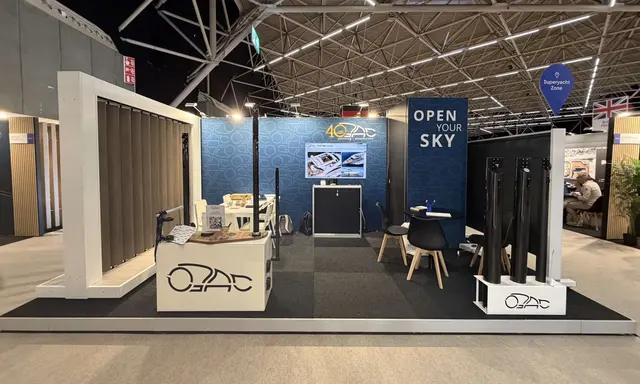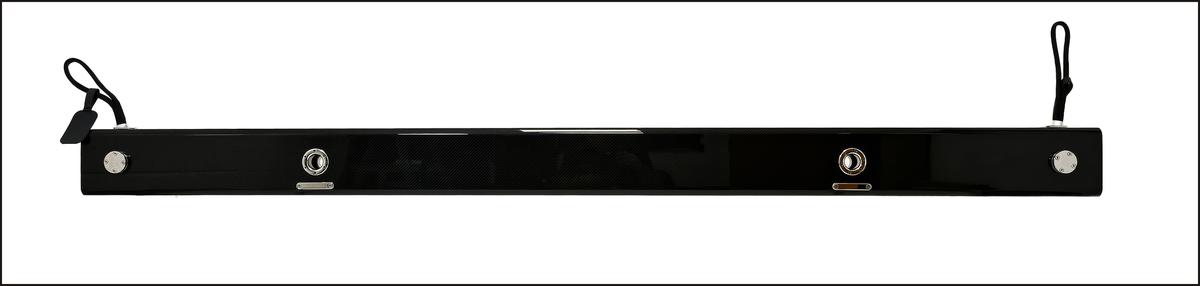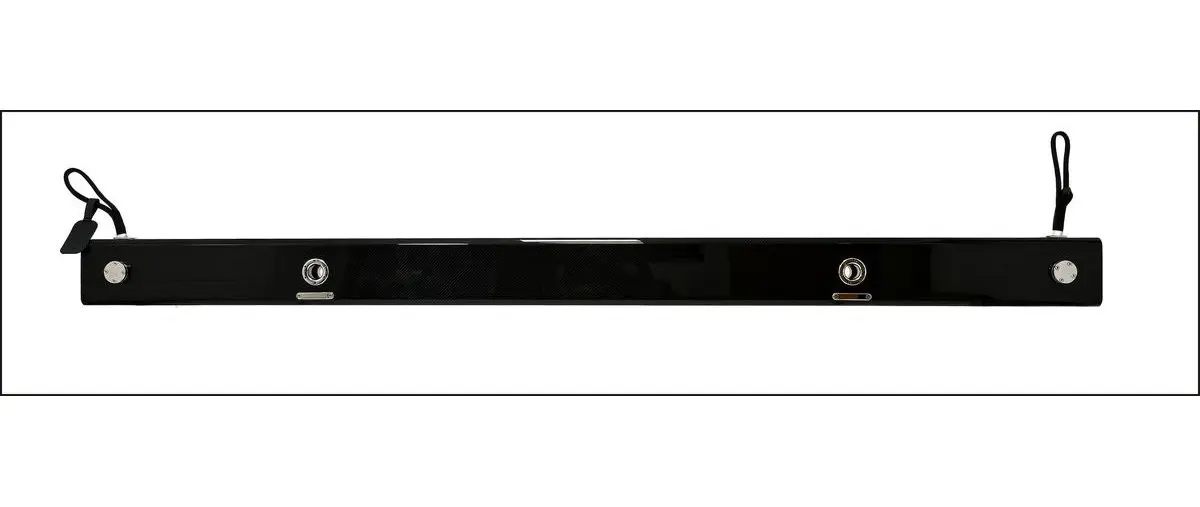
Bure Marine Equipment, the specialist yacht-accessory range manufactured by British engineering company Carbinium, presented a new carbon-fibre lifting-beam product for superyacht tenders at METSTRADE 2026. The official exhibitor listing identifies carbon lifting beams as a new 2026 product and places the company at stand 08.531 in the Superyacht Zone. The published manufacturer photograph shows a long black lifting beam with attachment points arranged along its length. Such equipment is designed to distribute loads between a crane or hoist and a tender or other permitted load, but the geometry and rated capacity must be designed around a specific lifting arrangement rather than inferred from an exhibition image.
Carbinium promotes lightweight carbon construction and has experience manufacturing boarding poles, ladders and other yacht accessories. Industry reporting describes autoclave-cured composite structures combined with metal fittings. However, neither a generic material description nor a catalogue illustration establishes the safe working load, approval status or installation suitability of a particular beam. On a 12–23.99 metre yacht, this is a specialist subject: many boats use alternative tender arrangements, and a beam is relevant only where properly engineered handling gear and space exist. Owners should require a documented lifting plan, verified attachment geometry, appropriate testing and professional sign-off before commissioning a bespoke installation. The new equipment remains principally aimed at tender-handling operations on larger yachts.
Engineering Innovations in Carbon Fibre Lifting Beams
The Poseidon Lifting Beam represents a significant engineering advancement in the design of superyacht tender lifting systems. Unlike traditional steel or aluminium alternatives, this beam is constructed using autoclave-cured prepreg carbon fibre, which offers superior strength-to-weight ratios and resistance to corrosion. The integration of titanium and 17-4PH stainless steel further enhances the beam’s structural integrity while reducing overall mass. This combination of materials allows for a lifting system that is both robust and lightweight, making it particularly suitable for larger yachts where weight distribution and space efficiency are critical considerations.
The bespoke nature of the Poseidon Lifting Beam ensures that each unit is tailored to meet the specific handling requirements of individual vessels. Bure Marine Equipment emphasizes that the beam’s design takes into account the unique geometry of a yacht’s tender handling system, ensuring optimal performance during lifting operations. This level of customization is essential for superyachts operating in demanding environments, where reliability and precision are paramount. The use of carbon fibre also contributes to improved aesthetics, as the material allows for sleek, contemporary designs that complement the overall styling of modern superyachts.
Material Science and Structural Integrity of Carbon Fibre Lifting Beams
The structural integrity of the Poseidon Lifting Beam is underpinned by its advanced composite construction. Autoclave-cured prepreg carbon fibre provides a high degree of tensile strength while minimizing weight, which is crucial for reducing the overall load on a yacht’s lifting system. The integration of titanium and 17-4PH stainless steel further enhances the beam’s durability, particularly in environments where exposure to saltwater and harsh weather conditions is common. These materials are chosen for their resistance to fatigue and corrosion, ensuring long-term performance without compromising the structural integrity of the lifting system.
Bure Marine Equipment highlights that each Poseidon Lifting Beam is independently ultrasound inspected to ensure compliance with industry standards. This rigorous quality control process is essential for verifying the beam’s suitability for both manned and unmanned lifting operations. The company also notes that the beam is designed to meet the requirements of Lloyd’s Register Rule for lifting appliances, which sets a benchmark for safety and reliability in marine applications. These specifications underscore the product’s commitment to meeting the stringent demands of superyacht owners and operators who prioritize both performance and safety.
Customization and Design Flexibility for Superyacht Applications
One of the key advantages of the Poseidon Lifting Beam is its ability to be customized to suit the specific needs of a vessel. Bure Marine Equipment emphasizes that each beam is engineered based on the client’s handling geometry, ensuring optimal functionality during tender lifting operations. This level of customization allows for precise alignment with the yacht’s existing systems, reducing the risk of mechanical failure or operational inefficiencies. For superyachts operating in challenging environments, such as remote coastal areas or open seas, this tailored approach is critical for maintaining reliability and performance.
The design flexibility of the Poseidon Lifting Beam also extends to its integration with other onboard equipment. Bure Marine Equipment notes that the beam can be seamlessly incorporated into a yacht’s existing lifting infrastructure, whether it involves traditional steel systems or modern composite alternatives. This compatibility is particularly valuable for owners who are looking to upgrade their tender handling capabilities without necessitating extensive modifications to the vessel’s structure. The ability to integrate the beam with other components such as deck sockets and boarding poles further enhances its versatility, making it a comprehensive solution for superyacht operations.
Safety Considerations and Technical Due Diligence
The deployment of any lifting system on a superyacht requires careful technical due diligence to ensure compliance with safety standards and operational requirements. Bure Marine Equipment underscores that the Poseidon Lifting Beam must be reviewed by qualified naval architects and riggers before installation, as each unit is designed for specific handling geometries. This process involves assessing the beam’s load capacity, structural integrity, and compatibility with the yacht’s existing systems. Owners are advised to obtain documentary certificates that confirm the beam’s suitability for their vessel, rather than assuming universal safety parameters or load test results.
The importance of technical due diligence is particularly evident in superyachts operating in environments where lifting operations can be complex and high-risk. For example, yachts with limited space on deck may require specialized handling equipment to accommodate the Poseidon Lifting Beam without compromising operational efficiency. Additionally, vessels that frequently engage in tender transfers or embarkation activities must ensure that their lifting systems are designed to meet the specific demands of these tasks. The need for rigorous safety assessments highlights the critical role of qualified professionals in ensuring that the beam is both safe and effective in its intended application.
Integration with Existing Superyacht Systems
The integration of the Poseidon Lifting Beam into a superyacht’s existing systems requires careful planning to ensure seamless operation and compatibility with other onboard equipment. Bure Marine Equipment notes that the beam can be incorporated into both new builds and refit projects, provided that the yacht’s structural layout allows for its installation. This flexibility is particularly beneficial for owners who are looking to upgrade their tender handling capabilities without necessitating extensive modifications to the vessel’s structure. However, the integration process must take into account factors such as weight distribution, space constraints, and the overall design of the yacht’s lifting infrastructure.
For superyachts operating in environments with limited deck space, the Poseidon Lifting Beam offers a compact and efficient solution for tender handling. The beam’s lightweight construction reduces the burden on the vessel’s structural integrity while maintaining the necessary strength for safe operations. Additionally, its modular design allows for easy installation and maintenance, which is essential for ensuring long-term reliability. Owners must also consider the compatibility of the beam with other systems such as winches, pulleys, and deck sockets to ensure that all components work in harmony. This level of integration is crucial for maintaining operational efficiency and minimizing potential points of failure.
Maintenance and Longevity of Carbon Fibre Lifting Beams
The maintenance requirements for the Poseidon Lifting Beam are influenced by its material composition and design. Unlike traditional steel lifting systems, which may require frequent inspections and repairs due to corrosion and wear, carbon fibre components offer superior resistance to environmental degradation. However, this does not eliminate the need for regular maintenance; rather, it shifts the focus toward monitoring for signs of damage or fatigue. Bure Marine Equipment recommends periodic inspections to ensure that the beam remains in optimal condition, particularly in environments where exposure to saltwater and UV radiation is significant.
The longevity of the Poseidon Lifting Beam is further enhanced by its construction materials, which are selected for their durability and resistance to mechanical stress. The use of titanium and 17-4PH stainless steel ensures that the beam can withstand repeated lifting operations without experiencing structural fatigue. Additionally, the carbon fibre composite provides a high degree of resilience against impact and abrasion, making it suitable for long-term use in demanding marine environments. These factors contribute to the beam’s ability to maintain its performance characteristics over time, reducing the need for frequent replacements or major repairs.
Operational Tradeoffs and Practical Considerations
While the Poseidon Lifting Beam offers numerous advantages in terms of weight reduction and structural strength, it also presents certain operational tradeoffs that owners must consider. One such consideration is the potential impact on the yacht’s overall balance and stability. The lightweight nature of carbon fibre components can affect the vessel’s centre of gravity, particularly if the beam is installed in a location that significantly alters the distribution of mass. Owners should work closely with naval architects to assess how the beam will influence the yacht’s handling characteristics and ensure that any adjustments are made to maintain optimal balance.
Another practical consideration is the compatibility of the Poseidon Lifting Beam with existing lifting equipment on board. While the beam is designed to be integrated into a vessel’s lifting infrastructure, its implementation may require modifications to winch systems or pulley arrangements. These changes can affect the efficiency of tender operations and must be carefully evaluated before installation. Additionally, owners should consider the availability of spare parts and maintenance support for the beam, as the use of specialized materials such as carbon fibre and titanium may limit the options for repair or replacement.
Cost Implications and Value Proposition
The cost implications of adopting the Poseidon Lifting Beam are an important factor for superyacht owners considering its integration into their vessel’s tender handling system. While carbon fibre components offer significant advantages in terms of weight reduction and durability, they can also represent a higher initial investment compared to traditional steel or aluminium alternatives. Bure Marine Equipment does not provide specific pricing details, but the company emphasizes that the beam is designed for long-term value through reduced maintenance requirements and extended service life.
For owners who prioritize performance and efficiency over immediate cost savings, the Poseidon Lifting Beam may represent a worthwhile investment. The ability to reduce the overall weight of the lifting system can have positive effects on fuel consumption and operational efficiency, particularly for larger yachts that operate in demanding conditions. Additionally, the beam’s lightweight construction may allow for greater flexibility in deck layout design, enabling owners to optimize space usage without compromising functionality. These factors contribute to the beam’s value proposition, making it an attractive option for those seeking a high-performance lifting solution.
Industry Trends and Market Relevance
The introduction of the Poseidon Lifting Beam reflects broader industry trends toward material innovation and performance optimization in superyacht equipment. As the demand for lightweight, durable solutions continues to grow, manufacturers such as Bure Marine Equipment are increasingly focusing on composite materials that offer superior strength-to-weight ratios. This shift is driven by both operational efficiency considerations and aesthetic preferences among superyacht owners who seek contemporary designs that enhance the visual appeal of their vessels.
The market relevance of the Poseidon Lifting Beam is further supported by its availability at METSTRADE 2026, where it was showcased as a specialized solution for larger yachts operating in demanding environments. The product’s focus on bespoke engineering and material science positions it as a competitive offering within the superyacht industry, particularly for vessels ranging from 12.00 to 23.99 metres. As the market continues to evolve, the adoption of advanced materials such as carbon fibre is expected to become more widespread, further solidifying the role of products like the Poseidon Lifting Beam in shaping the future of superyacht equipment.
Future Prospects and Industry Adoption
The future prospects for the Poseidon Lifting Beam are closely tied to its ability to meet the evolving needs of the superyacht industry. As manufacturers continue to explore new materials and engineering techniques, the integration of carbon fibre into lifting systems is likely to become more common, particularly among owners who prioritize performance, efficiency, and aesthetics. Bure Marine Equipment’s focus on bespoke solutions suggests that the company is well-positioned to capitalize on this trend, offering tailored products that address the specific requirements of superyacht operators.
Industry adoption of the Poseidon Lifting Beam will depend on factors such as cost, availability of technical support, and the willingness of owners to invest in advanced materials for their vessels. While the initial investment may be higher than traditional alternatives, the long-term benefits of reduced maintenance and improved operational efficiency could justify the expense for many superyacht owners. As the market continues to embrace innovation, products like the Poseidon Lifting Beam are likely to play an increasingly important role in shaping the future of tender handling systems on larger yachts.
Sources and image credits
Reporting based on METSTRADE 2026 official Carbinium/Bure exhibitor announcement, Bure Marine official company engineering and product information.
Lead photograph: Bure Marine Poseidon carbon tender lifting beam, original manufacturer product photograph distributed in the METSTRADE exhibitor catalogue.. Bure Marine Equipment by Carbinium Engineering original official METSTRADE media asset, Poseidon Lifting Beams. Original subject remains intact with only white letterboxing to fit the editorial image aspect ratio. Original official image source.