Emergency organisation returns to the marine trade agenda
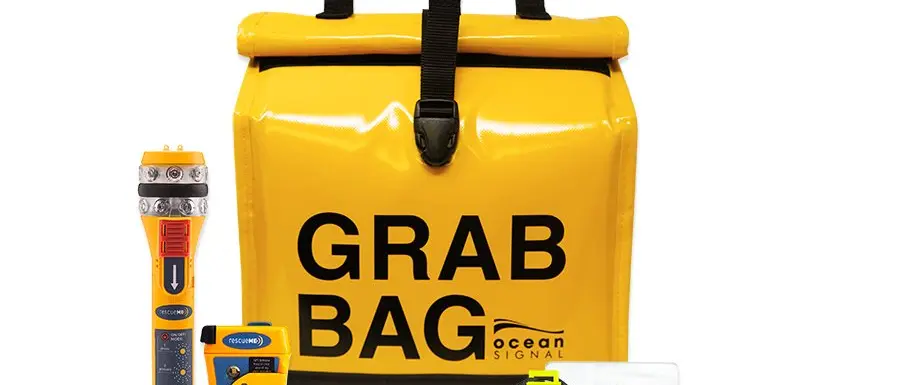
Ocean Signal's Grab Bag appeared among the marine safety products promoted around METSTRADE 2026 in Amsterdam, with new industry reporting on 23 November drawing attention to its dedicated storage for distress signalling equipment. The product is a bag and associated equipment packages rather than a beacon or a rescue service in itself. The company's own product photography and related safety kit information have existed before this year's show, so the accurate news point is its current trade-show presentation and the renewed focus on organised emergency equipment, not an unsupported claim that every element was invented this November.
For owners of yachts in the 12–23.99-metre range, the subject is relevant because safety gear tends to accumulate in different lockers as the boat's equipment evolves. A radio may be near the helm, a spare handheld may be charging below, and the emergency rations may be elsewhere entirely. During a fire, flooding incident or sudden abandonment, the time needed to retrieve scattered supplies can become critical. A dedicated grab bag is an organisational tool intended to reduce that delay, provided the inventory and stowage plan are sensible.
The manufacturer specifies a compact storage layout
Ocean Signal lists approximately nine litres of internal space in the main compartment, with two external pockets designed to accommodate items such as an emergency position-indicating radio beacon or portable VHF. It also identifies internal tethering points and a rear panel for vessel identification information. These features address several common problems at once: making the bag easy to recognise, keeping larger devices separate and helping occupants avoid losing smaller equipment once they reach a liferaft or other refuge.
The bag's capacity should be treated as a packing constraint rather than a target to fill. Owners may wish to include distress signalling tools, first-aid basics, a suitable light, emergency contact details and other items required by their actual voyage. Large equipment may not fit, and a second container may be needed for a long passage or larger crew. An owner should assemble the kit around a written risk and evacuation plan, verify that the selected equipment fits and then have the regular operators practise finding it.
External pockets are intended for rapid access
The two outside pockets are a practical part of the design. A beacon or VHF that can be reached immediately may be more valuable than one buried below several layers of other supplies. Ocean Signal also mentions the ability to use a dedicated external mounting area for compatible EPIRB arrangements in its current marketing. The correct configuration will depend on the specific beacon, its bracket, the type of voyage and any applicable carriage requirements; not all electronic safety devices should be stowed in identical ways.
An EPIRB has a different purpose from a personal locator beacon, even though both may use satellite distress alerting. A handheld VHF helps communicate locally, while electronic flares and other visual aids perform other tasks. A grab bag should not blur these distinctions. Owners and skippers need to know which device to activate, how it is registered and what to expect after activation. A carefully arranged bag can make that knowledge easier to apply, but it cannot substitute for drills and familiarity with each individual unit.
Tethering points can prevent a second emergency
Internal attachment points are designed to secure items by lanyard or carabiner. That may seem like a small detail, but an open bag on a moving or partially flooded liferaft can become a source of lost equipment. A light, signalling tool or portable radio might be dropped overboard precisely when it is most needed. Securing key items helps the crew retain them while still allowing rapid removal. The lanyards themselves must be chosen and arranged so they do not foul other equipment or create snag hazards.
Labelled pockets and a consistent packing order are equally useful. If everyone aboard knows that the portable radio occupies one outside pocket and the medical pouch is in the main compartment, the skipper does not need to give complicated directions during an emergency. However, the layout should be checked after every voyage or safety drill in which equipment is removed. The presence of separate compartments does not guarantee readiness when an expired battery, missing flare or misplaced identification sheet has gone unnoticed.
Water-resistant is not the same as waterproof
Ocean Signal describes the bag as water-resistant, bright, wipe-clean and buoyant. Those are useful properties in a marine environment, but they do not imply that all contents will remain dry indefinitely if the bag is submerged. Sensitive paper records, medication or electronic accessories may need their own rated waterproof packaging. The bag is not a replacement for the individual water-resistance or flotation requirements of a beacon or radio. Owners should follow the actual product instructions and examine the closures and seams before relying on any particular level of protection.
Trade coverage says the construction can remain afloat with a stated load of up to six kilograms. That is a manufacturer-derived performance claim reported in secondary industry material, not an independent test conducted aboard a yacht. Owners should confirm the current applicable limit and avoid overloading a bag in the belief that visible flotation automatically provides unlimited capacity. If the container is expected to support passage-making offshore, testing the packed kit under controlled conditions and keeping it accessible are prudent steps.
Dimensions and stowage need to be verified
The manufacturer's current product page lists the closed dimensions as approximately 42 centimetres wide, 29 centimetres high and 17 centimetres deep. Trade coverage of the 2026 presentation gives a different set of dimensions. Rather than silently combine the figures, buyers should check the latest drawing for the exact variant or supplied version before ordering a purpose-made locker. The official dimensions are used here as the primary reference. Small differences can matter when a bag must be extracted quickly through an awkward companionway or beneath a bench seat.
Where the bag is stowed matters as much as how it is built. Placing it deep inside a locked cockpit locker may protect it from casual damage while making it difficult to reach if fire or flooding blocks the route. A yacht with two helm stations, multiple accommodation compartments or an enclosed flybridge may need clear instructions about the primary emergency access point. The regular crew should choose a location that remains realistic in foreseeable emergencies and make it part of the vessel's safety briefing.
Reflective tape and identification features
Ocean Signal specifies SOLAS-approved reflective tape. That description concerns the reflective material used on the container; it should not be misread as certification that the complete bag or any collection of contents complies with every safety regulation. The bright finish is intended to help people identify the bag quickly in poor light, and the rear identification panel is useful for listing the vessel's name and other relevant details. The actual information displayed should be consistent with the current vessel registration and radio records.
Identification details become particularly important when a bag is transferred between a yacht and a tender or when new owners change the vessel's callsign and equipment registration. A crew should not assume that an old label is still accurate. The complete emergency plan should identify the yacht, the correct MMSI where relevant, registered distress beacon information and shore contacts using appropriate documentation. Where a regulation requires particular safety equipment, the operator must comply with it separately; the container is simply a way of organising gear.
What the ready-made safety kits add
Alongside the bag, Ocean Signal markets equipment packages built around existing distress devices. Current trade information identifies combinations such as an EPIRB2 with electronic visual signals and a personal beacon kit featuring a rescueME PLB1. Another package focuses on satellite distress alerting and AIS-related location technology for offshore applications. Kit contents and availability can change, so buyers should consult the exact bill of materials rather than assume that any package contains every item described in a general article.
The choice between buying a bag and assembling it yourself or buying a bundled package depends on what equipment is already aboard. An existing yacht may have a fully serviceable EPIRB with several years of battery life remaining. Duplicating it unnecessarily would be poor use of money and locker space. Conversely, a boat preparing for more ambitious passages may need updated distress signalling or a better inventory system. The sensible buying decision begins with a safety audit, applicable regulatory requirements and the experience of the regular operating crew.
Registration, batteries and maintenance routines
Emergency beacons are not set-and-forget equipment. Registration records, encoded identifiers, battery replacement dates and manufacturer service requirements must be managed. Radios and electronic flares have their own charging or inspection needs. A container that is packed in November may be incomplete the following summer if equipment is removed for a drill and never returned. The crew should maintain a signed checklist with a review date and, where appropriate, keep spare power supplies outside any packaging that would damage them.
Waterproofing and internal protection are also operational questions. A beacon can be robust while its paper documentation is not. Items such as medication, first-aid supplies and food rations may have expiry or storage limits. It is good practice to agree a replenishment plan and keep a duplicate inventory where it can be accessed when the vessel is unattended. For a privately operated yacht, these steps do not require elaborate software; a clear, dated list and a disciplined routine can be more reliable than a complicated inventory that nobody updates.
The role of training and passenger briefings
An emergency grab bag has limited value if only one person knows where it is. The owner or skipper should include its location in normal safety briefings and explain who is responsible for taking it during abandonment. Training should cover the practical difference between carrying a bag to the liferaft and abandoning the vessel without delay when danger makes further collection unsafe. The decision to abandon always depends on the circumstances. A device or container is never a reason to postpone a necessary evacuation.
An occasional rehearsal can reveal awkward straps, damaged fasteners or an overpacked compartment. It can also show whether guests can identify the bag by sight and whether its location remains accessible when the cockpit is crowded. The manufacturer says the design involved professional sailing experience, which is a credible product-development perspective, but each yacht still has different physical arrangements. The most useful test is whether the people who normally sail the boat can actually retrieve and use their equipment safely under realistic conditions.
What the November news does and does not establish
The November 2026 marine-trade report confirms that Ocean Signal promoted the Grab Bag at METSTRADE and highlighted its roles alongside the company's wider emergency signalling products. The first-party product page provides the principal dimensions, storage layout and construction features. The catalogue photography is older than the latest trade presentation, so it is credited as the manufacturer's established product image rather than represented as a photograph taken at the 2026 show. There is no claim here that the photograph records this week's exhibition.
For owners in the luxury-yacht cruising market, the development is a reminder that emergency preparedness depends on organisation as much as equipment selection. A good bag can help centralise essential devices, but a ready vessel also needs trained operators, current registrations, suitable life-saving appliances and an evacuation procedure. The news is not a certification or recommendation of a specific kit for every yacht. Sources: Ocean Signal's official Grab Bag product page and dated 23 November 2026 trade reporting; photography from the manufacturer's original product gallery.
Image credit: Ocean Signal's official product photograph of the Grab Bag with its PLB1 safety kit. Photo originates from manufacturer's own equipment gallery; the image predates the 2026 presentation. Official image source: https://oceansignal.com/wp-content/uploads/2025/06/Grab_Bag_PLB1_Kit-1.jpg